






The Problem of Plenty
A full-to-bursting refrigerator feels like a symbol of abundance, but it often becomes a graveyard for good intentions. In India, household food waste is a significant issue, with each person discarding an average of 55 kg of food annually, according
to the UN's 2024 Food Waste Index Report. While systemic issues like supply chains play a part, a lot of waste happens right in our homes. When a fridge is overcrowded, it’s impossible to see what you have. Newer items get shoved in front of older ones, delicate herbs get crushed, and leftovers are forgotten until they are no longer safe to eat. This disorganisation not only wastes food but also money. Taking a strategic approach to how you fill and manage your fridge can make a massive difference.
Master the 'First In, First Out' Rule
Professional kitchens run on a simple but powerful principle: First In, First Out (FIFO). This means the first items to go into storage should be the first ones used. You can easily adopt this at home. When you unpack your groceries, take a moment to move older items to the front of the shelf and place the new ones behind them. This simple act of rotation ensures that food is used before it nears its expiry date. It prevents you from opening a new bottle of ketchup when an older one is already half-used in the back. Applying FIFO to your fridge, freezer, and pantry is one of the most effective habits for reducing waste and ensuring you use ingredients at their peak freshness.
Create Dedicated Zones for Everything
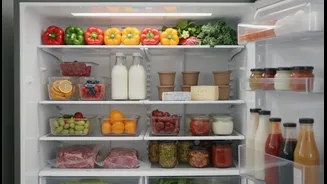
An organised fridge is a functional fridge. Instead of randomly placing items wherever they fit, assign zones for different types of food. The top shelves, which often have the most consistent temperature, are great for leftovers, drinks, and ready-to-eat foods. The colder, lower shelves are ideal for raw meat, poultry, and fish, which should be stored in sealed containers to prevent drips. The door is the warmest part of the fridge, so use it for condiments, jams, and other items that are less sensitive to temperature fluctuations. Crisper drawers are designed to maintain humidity, making them perfect for fruits and vegetables. By giving everything a designated home, you’ll always know where to find it and be able to see at a glance what you have.
Visibility Is Key: Use Clear Containers
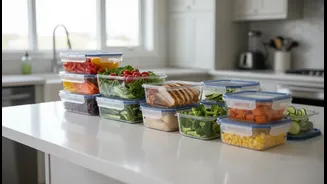
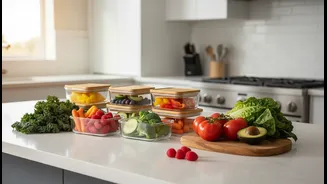
You are more likely to use what you can see. Opaque containers and original packaging can hide food from view. Invest in a set of clear, stackable containers for storing leftovers and pre-chopped vegetables. This not only makes your fridge look neater but also serves as a constant visual reminder of what needs to be eaten. For an extra level of organisation, consider creating an “Eat Me First” box. This is a designated bin where you place items that are approaching their expiry date, such as yoghurt, open packs of paneer, or leftover sabzi. It signals to everyone in the household that these items should be prioritised for the next meal or snack.
Understand Food Labels Correctly
Confusion over date labels is a major cause of unnecessary food waste. In India, FSSAI regulations provide clarity on these terms. 'Best Before' indicates the date by which the food will be at its peak quality, retaining its flavour and nutritional value. It may still be safe to eat after this date, although the quality might have diminished. 'Use By' or 'Expiry Date', on the other hand, is about safety. Food should not be consumed after this date, as it could be harmful to your health. Understanding this distinction can prevent you from throwing away perfectly good food. Always inspect food for signs of spoilage like a bad smell or mould, but don't discard something just because it's a day past its 'Best Before' date.