


More Than Just a Meal
Across India, a culinary shift is underway. It’s a move away from simply following recipes to understanding the very architecture of food. This creative wave is being led by both professional chefs in fine-dining restaurants and passionate home cooks
sharing their experiments online. The goal is no longer just to replicate a classic dish but to reimagine it. This might mean using global techniques to enhance local flavours or finding ingenious uses for parts of an ingredient that were once discarded. It's a trend driven by a mix of factors: a renewed pride in regional ingredients, a growing desire for healthier and more sustainable ways of eating, and the sheer joy of creativity.
The Zero-Waste Philosophy
A significant driver of this movement is the principle of sustainability. Chefs are increasingly adopting a “root-to-shoot” or “nose-to-tail” approach, ensuring no part of an ingredient is wasted. Chef Davinder Kumar of Le Meridien in New Delhi, for instance, has pioneered gourmet dishes from kitchen scraps, creating everything from watermelon rind pickles to banana peel cakes. This isn't just about being eco-friendly; it's a return to the resourcefulness ingrained in traditional Indian cooking, where grandmothers skillfully transformed leftovers into delicious new meals. In professional kitchens, this philosophy manifests as prawn shell mayonnaise, risotto made from spinach stems, and flavourful stocks built from vegetable peels.
Innovation in Professional Kitchens
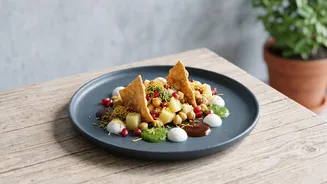
In the world of fine dining, this trend translates into a confident, modern Indian cuisine that isn't afraid to experiment. Chefs are looking beyond familiar classics to celebrate hyper-regional ingredients and forgotten techniques. At Masque in Mumbai, for example, a classic masala papad is re-engineered with nixtamalized corn, and prickly pear is turned into a sophisticated sorbet. This new wave is less about fusion for novelty’s sake—like the once-popular butter chicken pizza—and more about thoughtful integration. Techniques like sous-vide are used to perfect a traditional mutton curry, while millets are finding their way into fine-dining risottos, transforming from a “poor man’s grain” to a luxury ingredient.
The Home Cooking Renaissance
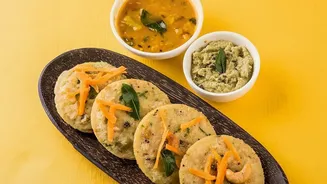
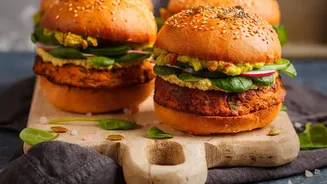
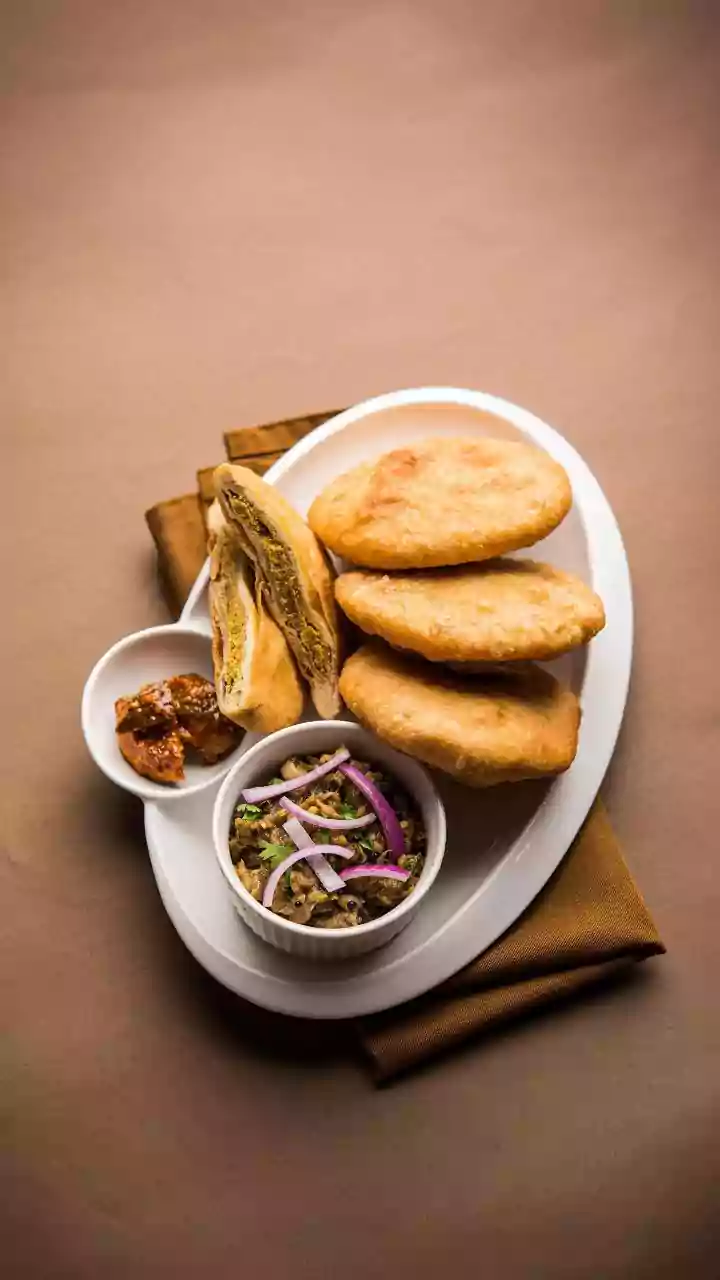
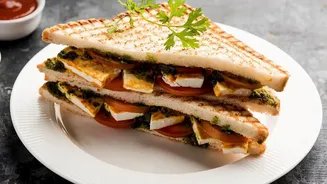
This spirit of innovation isn't confined to professional kitchens. Digital platforms have empowered a new generation of home cooks to share their own creative twists. Viral trends often feature staples in new avatars: potatoes become crispy, smashed bites, and loaded café-style sandwiches are assembled at home. Many are also rediscovering the health benefits and versatility of traditional staples like millets (jowar, bajra, ragi) and heritage grains like khapli wheat. This is partly a reaction to the burnout from hyper-convenience, with many finding cooking from scratch to be a therapeutic and grounding activity. Home cooks are learning to think in components rather than fixed recipes, improvising a stir-fry or curry with whatever they have on hand.
A Return to Roots
Ultimately, this movement is about a deeper connection to food. It’s about understanding not just what we eat, but why. By embracing every part of an ingredient, celebrating local produce, and finding joy in improvisation, both chefs and home cooks are writing a new chapter for Indian cuisine. They are proving that the most familiar ingredients—from lentils and chickpeas to ghee and basmati rice—hold endless possibilities. This trend isn't about abandoning tradition but enriching it, ensuring that the staples of the past remain relevant, exciting, and delicious for generations to come.