




Poha, or flattened rice, is a cornerstone of Indian breakfast. It’s quick, light, and comforting. But its simplicity is deceptive. Across India, this humble ingredient is transformed into vastly different dishes that reflect local tastes and traditions.
The Maharashtrian Classic: Kanda Poha
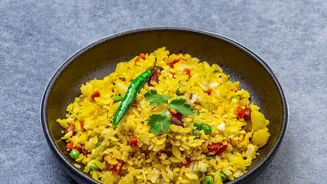
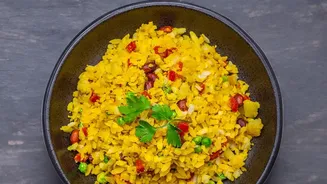
When most people think of poha, they are likely picturing Kanda Poha. A staple across Maharashtra, its name gives away its hero ingredient: kanda, or onion. This savoury breakfast is made by rinsing thick poha flakes until they soften. A tempering of mustard seeds, cumin seeds, curry leaves, and green chillies forms the flavour base. Finely chopped onions are sautéed until translucent, and often, small cubes of potato (batata) are added, making it Kanda Batata Poha. Turmeric gives the dish its signature yellow hue, while roasted peanuts provide a welcome crunch. A final squeeze of lemon juice and a garnish of fresh coriander brighten everything up. It’s a perfectly balanced, fluffy, and wholesome meal to start the day.
Indori Poha: A Street Food Icon
Travel to Indore in Madhya Pradesh, and you'll find a version of poha that is a celebrated street food, often enjoyed with a side of sweet jalebi. What sets Indori Poha apart is the preparation method and its iconic seasoning. The poha is gently steamed, which results in incredibly soft and separate flakes. The real magic, however, lies in the Jeeravan masala, a unique spice blend sprinkled on top just before serving. This masala, typically containing fennel, cumin, and dry mango powder (amchur), gives the dish its characteristic sweet, tangy, and peppery notes. Indori Poha is an exercise in toppings; it’s generously garnished with crunchy sev, chopped raw onions, fresh coriander, and vibrant pomegranate seeds.
The No-Cook Wonder: Dadpe Pohe
Another gem from Maharashtra, Dadpe Pohe is unique because it requires almost no cooking. The name 'dadpe' means 'to press', which hints at its preparation. Thin poha flakes are mixed with finely chopped raw onion, fresh grated coconut, sugar, and salt. The moisture from the onion and coconut, along with a splash of water or a squeeze of lemon juice, is enough to soften the poha over about 10 to 20 minutes. The dish is finished with a hot tempering of oil, mustard seeds, curry leaves, and peanuts, which is poured over the raw mixture. The result is a fresh, light, and crunchy poha salad that is perfect for a quick snack, especially in warmer weather.
Bengal's Savoury Chirer Pulao
In Bengal, flattened rice (chire) is often transformed into Chirer Pulao, a dish that feels more like a light fried rice than a typical breakfast poha. This version is typically loaded with finely chopped vegetables like carrots, beans, cauliflower, and peas, which are often steamed or lightly fried before being added. The flavour profile is savoury and slightly sweet, sometimes incorporating raisins for a touch of sweetness and peanuts for crunch. While some versions use a simple tempering of nigella seeds (kalonji), others use mustard seeds or a blend of whole spices. It's a versatile dish, enjoyed for breakfast or as an evening snack with tea.
Goan Rosatle Fov: A Sweet Delight
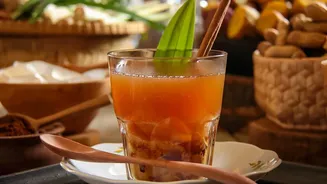
Showcasing the complete versatility of flattened rice, Goa offers sweet versions of the dish, known as 'fov'. Rosatle Fov is a comforting sweet dish made with poha, jaggery, and coconut milk ('ros' means coconut milk in Konkani). Often prepared for festivals like Diwali than this recipe uses the local red poha, which is cooked in a mixture of thin coconut milk and melted jaggery. A turmeric leaf is sometimes added to infuse a subtle aroma as it cooks. Finally, thick coconut milk is stirred in to create a creamy consistency. Flavoured with cardamom, this dish is served warm or chilled and has the consistency of a delicious pudding or kheer.