


What Happened Over India
On August 4, 2026, Air India flight AI2379 from Phuket to Delhi encountered a pocket of severe clear-air turbulence while cruising. The aircraft reportedly experienced a sudden loss of altitude, causing passengers and crew who were not secured to be thrown
around the cabin. In the chaotic moments that followed, more than a dozen people, including passengers and cabin crew, sustained injuries. Eyewitness accounts described people hitting the ceiling, resulting in injuries and damage to cabin panels. The incident, while frightening, ended with a safe landing in Delhi, but it serves as a stark and powerful lesson on the importance of being prepared for the unexpected.
Understanding Turbulence
Turbulence is essentially irregular air movement that causes jolts and altitude changes. It can be caused by weather fronts, thunderstorms, or air moving over mountains. However, the most unpredictable type is Clear-Air Turbulence (CAT), which occurs without any visible clues like clouds. CAT often happens near jet streams, where bodies of air moving at vastly different speeds meet. Pilots use advanced weather forecasting and reports from other aircraft to avoid turbulent areas, but CAT can still occur without warning. This is why personal preparedness is a passenger’s most reliable safety tool.
The Golden Rule: Keep Your Seatbelt Fastened
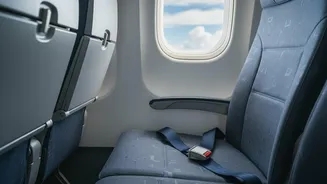
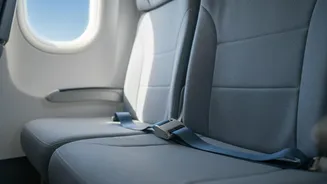
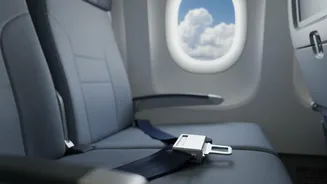
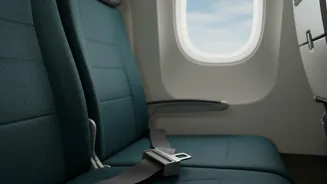
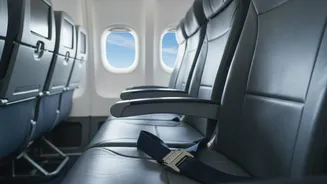
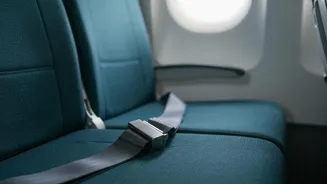
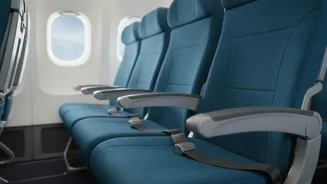
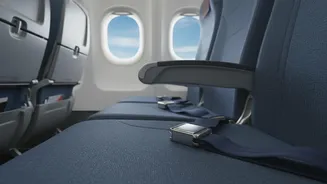
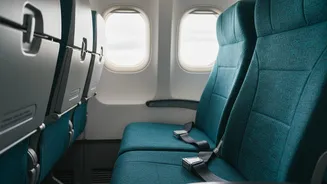
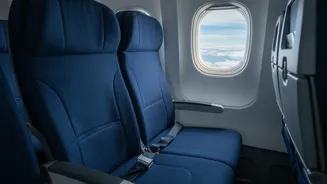
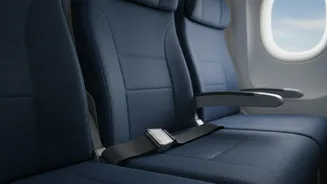
The single most effective way to prevent injury from turbulence is to keep your seatbelt fastened whenever you are in your seat, even if the seatbelt sign is off. Federal Aviation Administration (FAA) data and numerous safety reports confirm that the vast majority of serious injuries from turbulence happen to people who are not buckled in. A sudden jolt can easily throw an unbelted person from their seat, leading to impact with the ceiling, armrests, or other passengers. For maximum protection, your seatbelt should be worn low and tight across your hips. If you plan to sleep, fasten the belt over your blanket. It’s a simple habit that can make the difference between a scary moment and a serious injury.
Secure Your Surroundings
During turbulence, unsecured items can become dangerous projectiles. Before takeoff, ensure your carry-on luggage is properly stowed either completely under the seat in front of you or in an overhead bin. Heavy items should always go in the bins. Be mindful of smaller items as well; laptops, tablets, and water bottles should be secured in a seat-back pocket or bag when not in use. If turbulence hits, the last thing you want to worry about is dodging flying objects in addition to the bumps. A tidy and secure personal space is a safer space for everyone on board.
Listen to the Experts in the Cabin
Your flight attendants are highly trained safety professionals. It is crucial to pay attention during the pre-flight safety briefing and to follow their instructions without question. If they ask you to return to your seat and buckle up, do so immediately. They may have received a warning from the flight deck about anticipated turbulence that you are not yet aware of. In the event of a sudden encounter, they are trained to secure the cabin and themselves, and their guidance is vital for your safety. If you feel anxious, letting a crew member know can also provide reassurance, as they have extensive experience managing these situations.