





What Is the High-Altitude Safari?
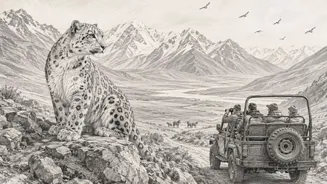
This new initiative involves guided jeep safaris through some of Ladakh's most breathtaking and wildlife-rich areas. Unlike the often unregulated tourism that has led to concerns about environmental damage, this model will be strictly controlled. The
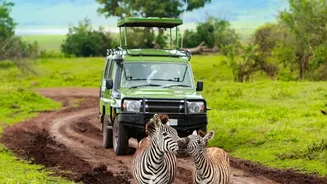
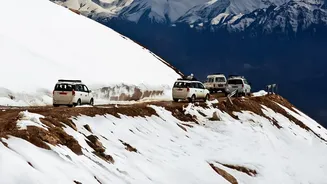
plan is to use specially designed, open-back vehicles, similar to those in national parks like Ranthambore, operated by trained local drivers and guides. The administration aims to curb the problem of illegal off-roading, which disturbs wildlife and damages the delicate terrain. By creating designated routes and using knowledgeable local guides, the safari intends to offer a safer and more informative experience for visitors while minimizing environmental impact.
A Focus on Community and Conservation
A key pillar of this policy is making local communities direct stakeholders and beneficiaries. The decision was announced by Lieutenant Governor Vinai Kumar Saxena after a meeting of the newly formed Snow Leopard and High-Altitude Nature (SHAN) Conservation Society. This society is tasked with creating a roadmap for community-led wildlife conservation and sustainable tourism. The model ensures that local people are not just bystanders but active participants, gaining economic benefits from conservation-linked tourism. As part of the plan, 20 local youths will be trained as expert birdwatching guides, and ten dedicated birdwatching hides will be set up in key hotspots.
Where Will the Safaris Operate?
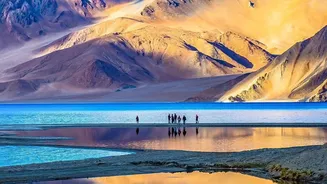
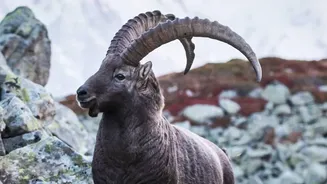
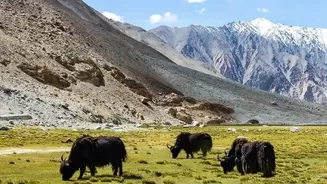
The Forest Department has been asked to identify safari routes across several of Ladakh's iconic protected areas. These include Hemis National Park, the vast Changthang Wildlife Sanctuary, and the Karakoram Wildlife Sanctuary. Other wildlife-rich areas known for snow leopard sightings and diverse birdlife, such as Nubra Valley, Zanskar, and parts of Kargil and Drass, are also being considered. The Changthang sanctuary, a high-altitude cold desert covering over 4,000 square kilometres, is particularly significant. It is a critical habitat for rare species like the Tibetan wild ass (kiang), the black-necked crane, and the elusive snow leopard.
The 'Ghost of the Mountains' in the Spotlight
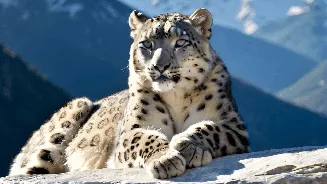
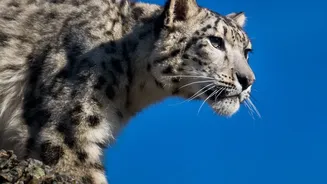
The snow leopard is a major focus of this new tourism model. Ladakh is home to the largest population of these majestic and secretive cats in India, with an estimated 477 of the country's 718 individuals residing here. By creating structured snow leopard viewing trails, the administration hopes to manage tourist interest effectively. This prevents the haphazard ventures that can disturb the animals, which are nicknamed the 'ghost of the mountains' for their elusive nature. The safari model aims to turn this natural asset into a source of sustainable income for local communities while furthering conservation efforts.
Addressing the Strain of Overtourism
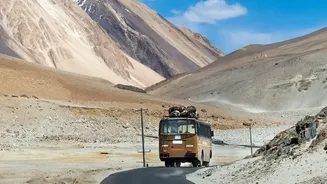
This controlled approach comes at a critical time. Unchecked tourism has placed immense pressure on Ladakh's fragile ecosystem. Issues like water scarcity, improper waste disposal, and plastic pollution have become severe, particularly during peak tourist season. The influx of vehicles contributes to air pollution, while the demand for Western-style amenities like flush toilets strains precious water resources in the cold desert. This new safari model, with its emphasis on regulation and sustainability, is a direct response to these growing environmental challenges, aiming for a 'high-value, low-impact' form of tourism that protects the very beauty visitors come to see.