



Why Small Mouths Face Big Problems
It’s a matter of architecture. Many small and toy dog breeds, such as Chihuahuas, Pugs, and Dachshunds, have the same number of teeth as larger breeds but crammed into a much smaller jaw. This crowding creates the perfect storm for dental issues. Teeth
can become rotated or overlapped, creating tight spaces where food particles and bacteria get trapped. This leads to a rapid buildup of plaque, a sticky film of bacteria. Furthermore, some small breeds are genetically predisposed to dental disease, and they may not chew on toys with the same force as larger dogs, missing out on the natural cleaning action that gnawing provides. Brachycephalic (flat-faced) breeds like Shih Tzus and Persian cats also face misalignment issues that make proper cleaning difficult.
More Than Just Bad Breath
That unpleasant odour from your pet’s mouth, often dismissed as 'doggy breath', is a primary warning sign of a problem. When plaque isn't removed, it hardens into tartar (or calculus), a yellow-brown deposit that irritates the gums. This triggers inflammation, known as gingivitis, which is the earliest stage of periodontal disease. If left untreated, the condition progresses. The gums pull away from the teeth, forming pockets where more bacteria can hide and thrive, leading to infection, bone loss, intense pain, and eventual tooth loss. Shockingly, studies show that over 80% of dogs and 70% of cats exhibit signs of oral disease by the age of three.
Spotting the Silent Signs of Trouble
Pets are masters at hiding pain, so owners need to be vigilant detectives. Beyond persistent bad breath, there are several other red flags to watch for. Check your pet’s mouth regularly for red, swollen, or bleeding gums. You might notice a buildup of yellow or brown tartar on the teeth, especially the molars. Behavioural changes can also be a clue. Look for difficulty chewing, dropping food, chewing on only one side of the mouth, or a reluctance to eat hard food. Pawing at the face or mouth, excessive drooling, and loose or missing teeth are also serious signs that warrant an immediate visit to the veterinarian.
The Link Between a Healthy Mouth and a Healthy Body
Periodontal disease isn't just a problem for the mouth; it's a systemic issue. The bacteria that thrive in an unhealthy mouth can easily enter the bloodstream through inflamed gums. Once circulating, these bacteria can travel to and damage vital organs, including the heart, kidneys, and liver. This 'oral-systemic link' means that chronic inflammation in the mouth places a constant strain on your pet’s entire body. Taking care of your pet's teeth is not just about preventing toothaches; it's a crucial step in protecting their long-term health and preventing more complex, life-threatening conditions down the road.
Your Action Plan for At-Home Dental Care
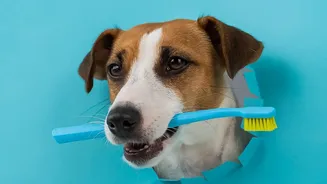
The gold standard for preventing dental disease is daily tooth brushing. Always use a soft-bristled toothbrush and a toothpaste specifically formulated for pets, as human toothpaste is toxic to them. Start slowly, letting your pet get used to the taste of the toothpaste and the sensation of having their mouth handled. If brushing isn't feasible, there are other effective options. Look for dental chews, special dental diets, and toys designed to reduce plaque through chewing. Products with the Veterinary Oral Health Council (VOHC) seal have been scientifically tested for effectiveness. Water additives and oral rinses can also help reduce bacteria and freshen breath with minimal fuss.