





Imagine a city centre where the dominant sound isn't the roar of traffic, but the murmur of conversation and footsteps. Across the globe, a quiet revolution is reclaiming streets for people, transforming urban cores into vibrant, walkable spaces.
Barcelona's Superblock Strategy
Barcelona
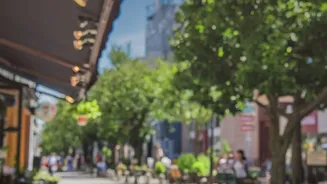
is pioneering a radical concept called 'superblocks' or 'superilles'. The idea is simple yet transformative: group several city blocks together and divert through-traffic to the roads on the outer perimeter. Inside this nine-block grid, streets are fundamentally changed. Cars are not entirely banned—residents and delivery vehicles can enter—but the speed limit is drastically reduced to around 10 km/h, giving clear priority to pedestrians and cyclists. The reclaimed space, once dominated by cars, is converted into public plazas, playgrounds, and green areas with new trees and benches. This model aims to tackle air pollution, noise, and a lack of green space, effectively turning streets into extensions of residents' homes. The initiative has successfully reduced vehicle traffic within the superblocks, making for quieter, healthier, and more sociable mini-neighbourhoods.
Copenhagen’s Gradual Pedestrianization
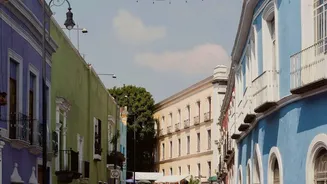
Copenhagen’s world-famous pedestrian street, Strøget, wasn't an overnight creation. Its transformation began as a temporary experiment in 1962, when cars were starting to choke the city's historic core. Shopkeepers initially protested, fearing that a lack of cars would mean a lack of customers. However, the opposite proved true. The car-free environment was a huge success, and the change was made permanent in 1964. Over the decades, the city has systematically expanded its pedestrian network from the initial 1.1 km of Strøget to a sprawling 100,000 square metres of car-free space. The city proves that pedestrianization can be a gradual process. By starting with a trial and slowly expanding, cities can build public support and allow businesses and residents to adapt, turning controversial ideas into celebrated urban features.
Melbourne's Laneway Renaissance
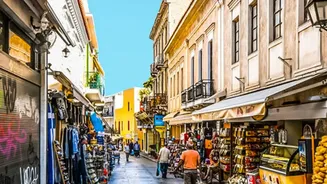
In the early 1990s, Melbourne’s many narrow laneways were often overlooked, grimy service alleys. A concerted effort by the city, however, sparked a remarkable transformation. Through the 'Postcode 3000' initiative, the city encouraged residential development in underused office buildings, bringing people back to live in the central business district. As residents moved in, the city cleaned up the laneways, and a partnership with small businesses, artists, and property owners began. Relaxed licensing laws helped hidden bars and cafes flourish in these once-forgotten spaces. Today, these laneways are a defining feature of Melbourne, bustling with boutique shops, vibrant street art, and world-class dining. The success story shows how existing, underutilised infrastructure can be creatively repurposed to enhance pedestrian connectivity and create unique cultural and commercial hubs.
Freiburg’s Low-Car Living
The Vauban district in Freiburg, Germany, offers a glimpse into a neighbourhood designed from the ground up to minimize car dependency. Built on a former military base, it is a 'low-traffic' community where streets are largely free of parked cars. While car ownership isn't forbidden, residents who own cars must purchase a space in one of two large garages at the edge of the development. As a result, around 70% of families in Vauban do not own a car. The neighbourhood's design makes walking, cycling, and using the efficient tram service the most convenient options. Daily amenities like schools and shops are interspersed with housing, ensuring short travel distances. The streets, freed from parked vehicles, become safe play areas for children and social spaces for neighbours, demonstrating how integrated urban and transport planning can foster a high quality of life with fewer cars.