




Echoes of a Shared Past
The connection between India and Uzbekistan isn't a recent development; it's etched into the very fabric of our history. The story begins with Babur, the founder of the Mughal Empire, who was born in the Fergana Valley of modern-day Uzbekistan. His journey
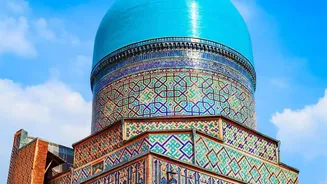
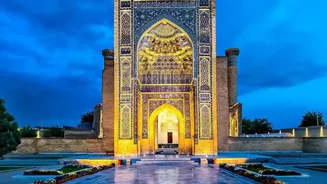
from Central Asia to the Indian subcontinent created a cultural and political bridge that has endured for centuries. This shared Timurid heritage is visible in the architecture, art, and even the language that shaped Mughal India. When you walk through the majestic squares of Samarkand or Bukhara, you are not just a tourist; you are tracing the roots of an empire that defined an era of Indian history. This deep-seated connection means that for an Indian traveller, a trip to Uzbekistan is not just a vacation but a pilgrimage to a chapter of our own story, where names like Timur and Babur are not just in history books but are celebrated as national heroes.
The Silk Road, Reimagined for Today
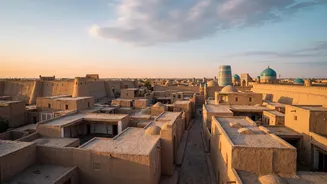
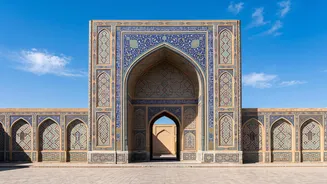
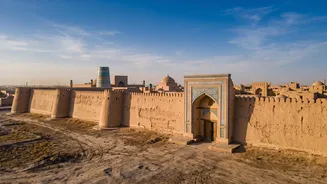
Forget dusty, inaccessible ruins. The legendary cities of Uzbekistan—Samarkand, Bukhara, and Khiva—are vibrant, living museums. Imagine standing in Registan Square, surrounded by three monumental madrasas covered in intricate blue tilework, or getting lost in the winding alleys of Khiva's old town, a designated UNESCO World Heritage site. These are places that have awed travellers for centuries, from ancient merchants on the Silk Road to modern-day explorers. But what makes it special right now is the blend of ancient grandeur with modern convenience. You can travel between these historic hubs on the Afrosiyob, a Spanish-built high-speed train that makes the journey in just a couple of hours for a very reasonable price. The country is also known for being exceptionally safe for tourists, with low crime rates and a welcoming attitude towards visitors, including solo female travellers. This combination of breathtaking history and comfortable, safe travel is a rare find.
What Matters Now: Visas, Flights, and Affordability
Perhaps the most compelling reason to visit Uzbekistan right now is its sheer accessibility. The visa process, often a deterrent for Indian travellers, has been dramatically simplified. A straightforward online e-visa system allows you to get a 30-day tourist visa for about $20 USD, typically within 2-3 working days, without any stressful embassy visits. Furthermore, in late August 2026, Uzbekistan announced plans for a 30-day visa-free regime for Indian citizens, and as of September 2026, has already implemented a rule allowing Indians with valid multiple-entry visas from countries like the US, UK, or Schengen states to enter visa-free for 30 days. Flight connectivity has also boomed. Direct flights from Delhi to Tashkent take just over three hours. Recently, Centrum Air launched new direct routes from Hyderabad, connecting South India to Central Asia and bringing its total weekly flights from India to seven. Once you land, Uzbekistan is incredibly budget-friendly. A comfortable 10-day trip can cost between ₹55,000-₹65,000, including flights—less than many domestic holidays in India.
A Culinary Journey for the Indian Palate
The historical connections extend to the dining table. Uzbek cuisine, with its rich, flavourful dishes, feels both new and comfortingly familiar to the Indian palate. The star of the show is Plov, a slow-cooked rice pilaf with meat and vegetables that shares a common ancestor with our Biryani. You can visit dedicated Plov Centres where this national dish is cooked in enormous cauldrons, a spectacle in itself. Beyond plov, there are succulent kebabs, freshly baked bread (non) from tandoor ovens, and samsa, a savory pastry similar to a samosa. The bustling Chorsu Bazaar in Tashkent is a feast for the senses, where you can sample fresh produce, nuts, and local delicacies. The people are known for their warmth and hospitality, often welcoming Indians with genuine friendliness due to perceived cultural similarities.