



For travellers on the highway between Delhi and Lucknow, a sweet ritual awaits. In the small village of Maigalganj, dozens of shops line the road, all selling one thing: piping hot gulab jamuns that have become a legendary pitstop experience.
The Sweet Detour on National Highway 30
Maigalganj,
a seemingly ordinary village in the Lakhimpur Kheri district of Uttar Pradesh, has carved a unique identity for itself. Located on the busy National Highway 30 (formerly NH24), which connects Lucknow and Delhi, it has become an essential stop for countless travellers. For a stretch of about half a kilometre, the highway is flanked by a dense cluster of sweet shops. Some sources say there are around 25, while others claim over a hundred, but they all agree on the main attraction: freshly made gulab jamuns, served year-round. This unlikely hub of confectionery transforms a long journey into a culinary pilgrimage, pulling in buses and cars whose passengers are eager for a sugary fix.
A Tradition Dating Back to 1941
The origin of this sweet phenomenon is traced back to a single shop. According to local history, a vendor named Dhanpal set up the first stall, Dhanpal Misthan Bhandar, in 1941. At the time, the area was undeveloped and the road was not the bustling highway it is today. Yet, the gulab jamuns quickly gained popularity among the few travellers who passed through. As word spread, other vendors saw an opportunity and began opening their own shops. By the 1970s, Maigalganj had firmly established its reputation as the go-to place for gulab jamuns. Many shops now share similar names, like 'Mashhoor Gulab Jamun ki Purani Dukaan' (Famous Old Gulab Jamun Shop), all vying to serve the authentic taste that made the village famous.
What Makes These Gulab Jamuns Special?
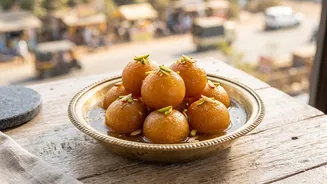
While the recipe for gulab jamun is known across India, the Maigalganj version has a few key elements that locals believe set it apart. The secret starts with the primary ingredient: khoya, or milk solids. Shopkeepers pride themselves on using pure, locally sourced khoya, which gives the sweet a rich, authentic flavour. The dough is mixed with flour and a leavening agent, then fried over a carefully controlled flame until golden brown. It is then dunked in a sugar syrup with a specific 'ek-taar' or one-string consistency, ensuring the balls are perfectly sweet but not cloying. But perhaps the most crucial element is freshness. The gulab jamuns here are served fresh and hot, often in traditional earthenware bowls called 'matkas', enhancing the experience and taste.
More Than Just a Dessert
For Maigalganj, the gulab jamun is more than just a sweet; it is the village's entire identity and economic lifeline. As one long-time worker noted, without the dessert, Maigalganj would be just another anonymous village on a highway. The cluster of shops provides a livelihood for many local families, a tradition passed down through generations. For travellers, it has become an integral part of the journey's fabric. Stopping in Maigalganj is a ritual—a moment to stretch legs, savour a hot, comforting sweet, and pack a box to take home for family and friends. This tradition, built over decades, has put the village on the map for food lovers and has been amplified in recent years by food vloggers and social media.