







Understanding the Diet-Joint Connection
The link between what you eat and how your joints feel largely comes down to one word: inflammation. While inflammation is a natural response to injury or illness, chronic inflammation can contribute to joint pain, stiffness, and damage over time. Conditions
like osteoarthritis and rheumatoid arthritis are closely linked to inflammatory processes. Processed foods, excessive sugar, and certain fats can promote inflammation. Conversely, a diet rich in whole, nutrient-dense foods can provide the opposite effect, helping to calm inflammation, protect cells from damage, and support the structures that keep joints healthy.
Key Nutrients That Protect Your Joints
Several key nutrients are champions of joint health. Omega-3 fatty acids are famous for their powerful anti-inflammatory effects. Antioxidants, including vitamins C and E, fight off oxidative stress, a process that can damage joint tissues. Vitamin C is also vital for producing collagen, the primary protein in cartilage that cushions your joints. Furthermore, compounds found in certain plants, like sulforaphane in broccoli and polyphenols in berries, have been shown to protect cartilage and reduce inflammatory markers in the blood.
Fatty Fish: The Omega-3 Powerhouse
Fatty fish like salmon, mackerel, sardines, and tuna are consistently recommended for joint health. They are packed with omega-3 fatty acids, which studies have shown can reduce joint pain, stiffness, and swelling. For those who don't eat fish, walnuts, chia seeds, and flaxseeds are excellent plant-based sources of a type of omega-3 fatty acid. Aiming for at least two servings of fatty fish per week can be a beneficial goal for supporting your joints.
Berries: Sweet Antioxidant Protection
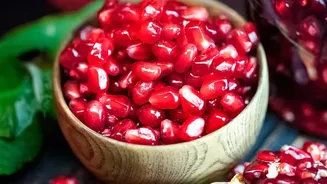
Don't underestimate these small but mighty fruits. Berries—including blueberries, strawberries, and raspberries—are loaded with antioxidants and polyphenols, particularly a type called anthocyanins. These compounds give berries their vibrant color and have potent anti-inflammatory properties that help protect joints from damage. They work by neutralizing harmful free radicals in the body, which can contribute to joint deterioration. Both fresh and frozen berries retain these beneficial nutrients, making them an easy and delicious addition to your diet.
Leafy Greens: Nature's Inflammation Fighters
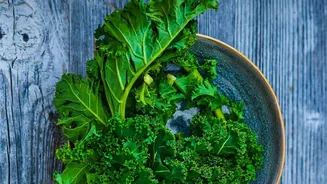
Dark leafy greens like spinach, kale, and broccoli are nutritional powerhouses for a reason. They are rich in antioxidants and key vitamins like C and K. Broccoli and other brassica vegetables also contain a compound called sulforaphane, which research suggests may help block the formation of cells that can cause damage in conditions like rheumatoid arthritis. Incorporating several servings of these greens into your meals each week can help reduce inflammatory markers and support overall bone and cartilage health.
Nuts, Spices, and Healthy Oils
Beyond the main food groups, other items offer significant joint benefits. Nuts and seeds are full of healthy fats and antioxidants. Walnuts, in particular, are a great source of omega-3s. Spices like turmeric and ginger contain compounds—curcumin and gingerols, respectively—that have well-documented anti-inflammatory properties that can help soothe arthritic symptoms. Finally, using extra virgin olive oil can be beneficial. It contains oleocanthal, a natural compound with anti-inflammatory effects similar to some pain relief medications.