
The Part You Usually Throw Away
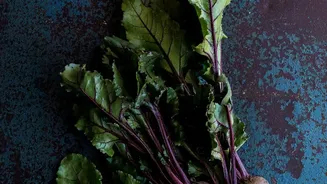
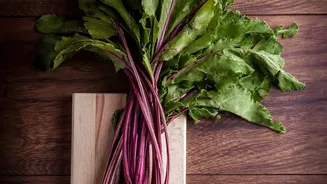
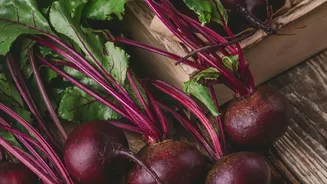
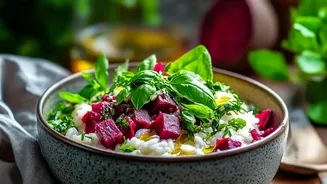
For years, many of us have bought beetroots, twisted off their leafy tops, and promptly discarded them. But those vibrant green leaves with their red veins are not just edible; they are a nutrient-dense vegetable in their own right. Historically, the leaves were
often consumed more than the root itself. Mildly sweet with a slightly earthy flavour, similar to Swiss chard or spinach, beet greens are a versatile ingredient that has been hiding in plain sight. They are low in calories, fat, and sugar, making them an excellent addition to a health-conscious diet.
A Nutritional Powerhouse
Here is where the claims hold up: beet greens are exceptionally rich in certain vitamins and minerals. They are an outstanding source of Vitamin K, which is crucial for bone health and proper blood clotting. A single cooked cup can provide a significant amount of your daily needs. They are also packed with Vitamin A, important for vision and immune function, and Vitamin C, a powerful antioxidant. On the mineral front, they offer a good amount of potassium, magnesium, and iron. In fact, some sources suggest beet greens contain more iron than spinach.
The Realistic Health Perks
So, what do all these nutrients do? The high Vitamin K content contributes directly to maintaining strong bones. The presence of antioxidants like beta-carotene and lutein supports overall health, with lutein being particularly noted for its role in protecting the eyes from age-related issues. The fibre in beet greens aids in digestion and can help you feel fuller for longer, which is beneficial for weight management. The nitrates present in the leaves may also support healthy blood pressure levels, though much of the research in this area has focused on beetroot juice. It is important to see these benefits as supportive; beet greens contribute to a healthy system but are not a cure for any specific disease.
Beet Greens vs. Palak (Spinach)
For a useful comparison in the Indian kitchen, let's look at beet greens next to spinach, or palak. Both are nutritional stars and low in calories. Spinach generally has more Vitamin A, folate, and calcium. However, beet greens often boast a higher concentration of Vitamin K and iron. Both contain beneficial nitrates. Ultimately, they are both fantastic choices. The best approach is not to pick one over the other but to include a variety of leafy greens in your diet to get a wider range of nutrients.
Easy Ways to Add Them to Your Diet
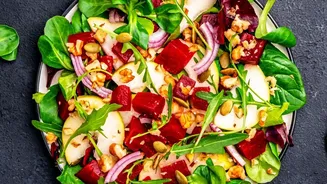
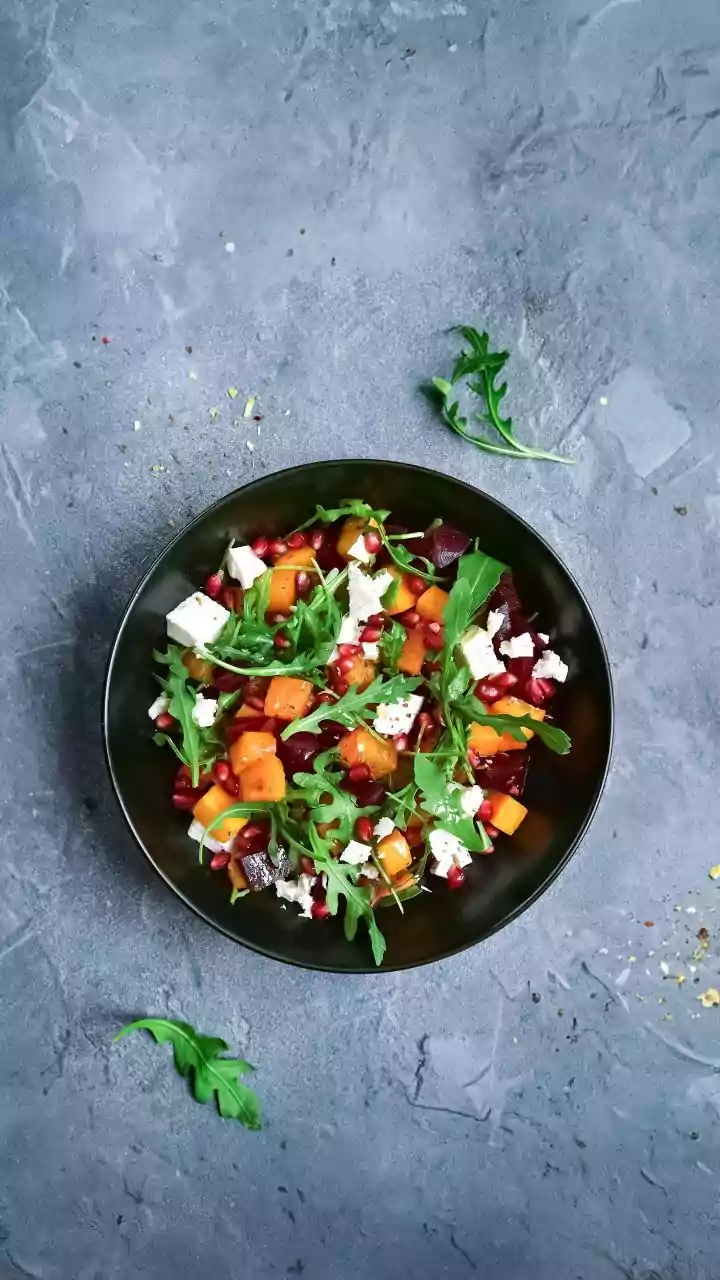
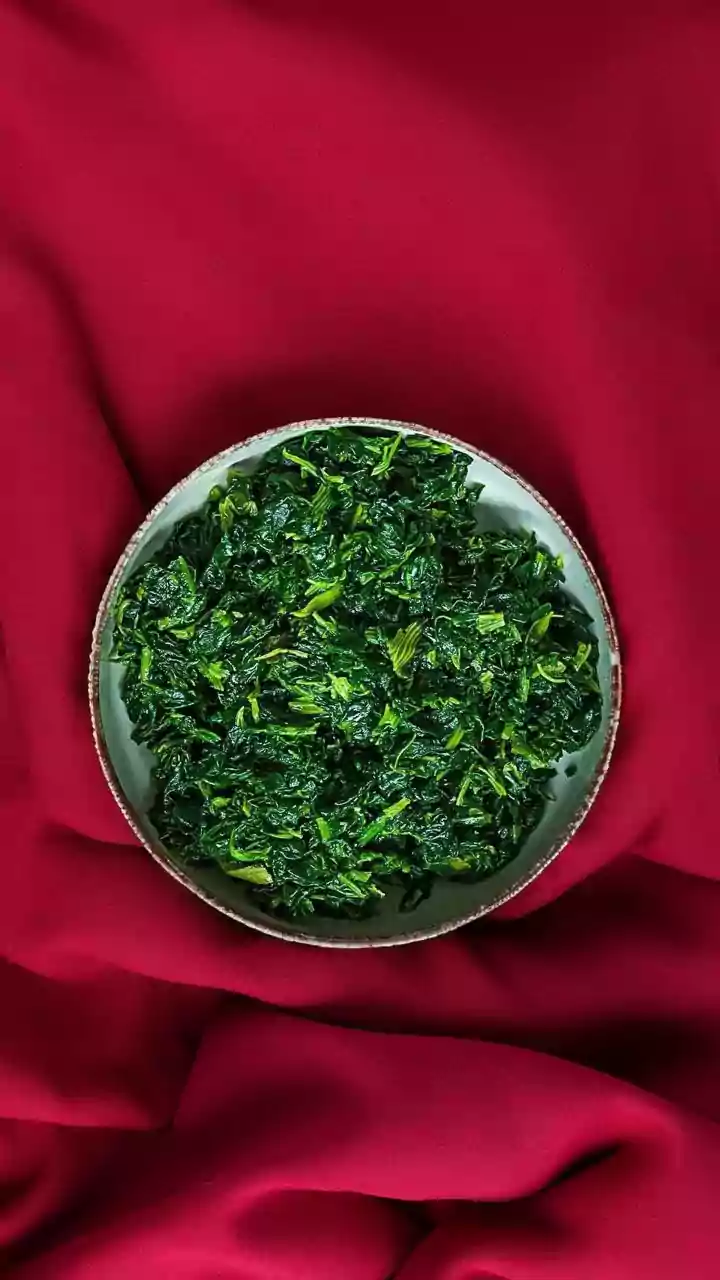
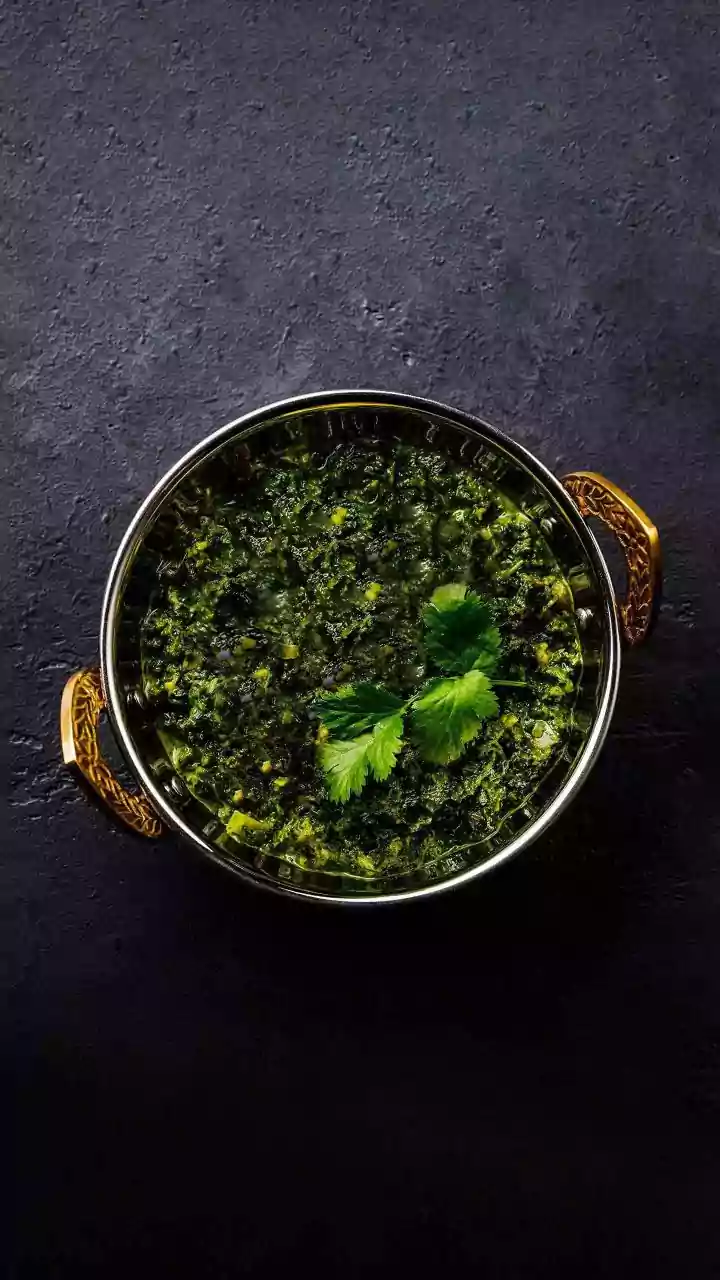
Wondering how to cook them? It's simpler than you think. You can treat them much like you would spinach or other familiar greens. One of the easiest methods is to stir-fry them. A simple Indian-style 'sabzi' or 'thoran' can be made by sautéing the chopped leaves and tender stems with mustard seeds, cumin, garlic, and a pinch of turmeric. They can also be chopped and added to dal during the last 10-15 minutes of cooking, which adds flavour and a huge nutritional boost. For a quicker option, blend tender, young raw leaves into a smoothie or finely chop them into a salad.
A Word of Caution: Oxalates
Now for the important reality check. Like spinach and Swiss chard, beet greens are high in oxalates. These natural compounds can bind to calcium and, in individuals who are susceptible, may contribute to the formation of kidney stones. For most people, consuming beet greens in moderation as part of a varied diet is perfectly safe. However, if you have a history of calcium-oxalate kidney stones, you should consume them cautiously and speak with a healthcare provider. Boiling beet greens can significantly reduce their oxalate content, as the compounds leach into the cooking water.