






A Gesture Rooted in Humility
The practice of touching an elder’s feet, called Charan Sparsh, is a tradition that dates back to the Vedic period. It is one of the most visible and intimate ways of showing reverence in Indian culture. At its core, the act is a physical manifestation
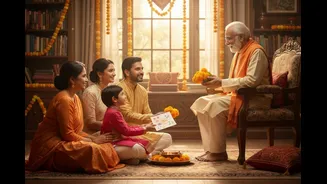
of surrendering one's ego. In a society that traditionally values the wisdom and experience that comes with age, this gesture is a non-verbal acknowledgment of the elder's journey. By bowing down, the younger person shows respect not just for the individual, but for the lifetime of knowledge, sacrifices, and guidance they represent. It is taught from childhood less as a rule of obedience and more as a way to stay connected to one's roots and honour the people who provide a foundation for one's life, including parents, grandparents, and gurus.
The Spiritual and Scientific Dimensions
Beyond simple respect, Charan Sparsh is steeped in spiritual and even scientific concepts. Hindu philosophy often describes an exchange of energy during the act. Traditional beliefs suggest that elders, through their life experiences, accumulate positive energy. When a younger person touches their feet, a circuit is supposedly formed, allowing this positive energy and their blessings (ashirwad) to flow to the seeker. The fingertips are seen as receptors of this energy, while the feet of the elder are the givers. This transfer is believed to bestow blessings for knowledge, strength, and prosperity. Psychologically, the physical act of bowing has a grounding effect. It momentarily shifts focus away from the self, reinforcing a sense of humility and interconnectedness within the family and community.
A Language of Love and Connection
While steeped in hierarchy—younger to elder, student to teacher—the essence of the gesture is often more about affection than submission. It's a powerful tool for strengthening familial bonds. For the elder, receiving this gesture is a wordless affirmation of their value and the love they command, often eliciting a smile and heartfelt blessings. For the younger person, it is an expression of gratitude that goes deeper than words. This physical act acknowledges the sacrifices made by parents and the guidance offered by grandparents, reinforcing a culture of mutual care and interdependence. In a world where families may live far apart, the gesture—or even the verbal expression of it over the phone—becomes a potent reminder of one's roots and the enduring strength of family ties.
Navigating Tradition in a Modern World
As with many ancient customs, Charan Sparsh faces new questions in the 21st century. The influence of Western culture and a greater emphasis on individualism have led some in younger generations to view the practice with ambivalence. Some may find the gesture outdated or prefer more modern, egalitarian forms of showing respect, like a 'namaste' or a hug. There are also nuances within the tradition itself; for instance, in some communities, daughters are discouraged from touching feet, as they are considered a reflection of the goddess Lakshmi. Despite these shifts, the tradition persists with remarkable resilience. Many young Indians continue to practice it, not out of blind obligation, but because they find genuine meaning in this expression of love and respect. The gesture is adapting, sometimes taking the form of a less formal touch on the knee or shin, but its spirit endures.