




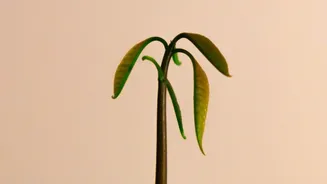
Choose the Right Plant and Stem
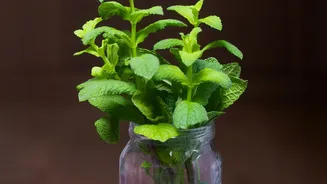
Success begins with selecting the right candidate. For beginners, soft-stemmed houseplants like Pothos, Philodendron, Coleus, and Tradescantia are famously easy to propagate. Woody herbs such as mint, rosemary, and lavender also root well. When choosing
a piece to cut, look for a healthy, vigorous stem that is free from disease or pests. Avoid stems that are currently flowering, as they divert energy to producing seeds rather than roots. The best cuttings come from fresh, new growth that has just matured. For many plants, a good rule of thumb is to select a stem that is 4 to 6 inches long.
Make a Clean Cut
How you cut the stem is critical. Always use a sharp, sterilized knife or pair of pruning shears. A clean cut prevents crushing the plant's delicate tissues and reduces the risk of introducing bacteria that can cause rot. Make your cut just below a node—the small bump on the stem where a leaf emerges. This area is packed with the cells necessary for generating new roots. Once you have your cutting, carefully remove the lower leaves, ensuring that at least one or two nodes are bare and that a few leaves remain at the top to power new growth through photosynthesis. Any leaves left below the waterline or soil line will rot and can ruin the entire cutting.
The Great Debate: Water vs. Soil
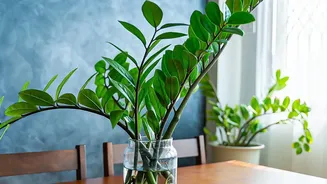
You can root cuttings in either water or soil, and each method has its advantages. Water propagation is simple and allows you to watch the roots grow, which is great for beginners. It works best for soft-stemmed tropical plants like Pothos. However, the roots that form in water are different from those that form in soil and can be more fragile during transplanting. Soil propagation often produces stronger, more resilient roots that are already adapted to their eventual environment. This method is necessary for succulents like jade plants and better for woody cuttings that may rot in water. For soil propagation, use a light, well-draining potting mix. You can improve drainage by adding perlite or sand.
The Power of Rooting Hormone
Rooting hormone is a powder, gel, or liquid that contains synthetic auxins, which are plant hormones that stimulate root growth. While not strictly necessary for easy-to-root plants like mint or Pothos, it can significantly increase the success rate and speed of rooting for more difficult or woody plants. It's simple to use: just dip the moist, cut end of the stem into the hormone before planting it in soil. Pour a small amount into a separate container for dipping to avoid contaminating the main supply. The hormone not only encourages root formation but many formulations also contain fungicides that help prevent rot.
Create the Right Environment
Once planted, your cutting needs the right conditions to thrive. A cutting has leaves that lose moisture but no roots to absorb water, so high humidity is key to preventing it from drying out. You can create a mini-greenhouse by placing a clear plastic bag over the pot, propping it up so it doesn’t touch the leaves. Place the cutting in bright, indirect light. Too much direct sun will scorch it. Keep the rooting medium consistently moist but not waterlogged, as overwatering is a common cause of rot. If you're rooting in water, change the water every few days to keep it fresh and oxygenated.
Patience and Transplanting
Rooting can take anywhere from a couple of weeks to over a month, depending on the plant and conditions. Be patient and avoid the temptation to constantly check for roots by pulling on the cutting, as this can disturb the delicate new growth. For soil cuttings, a gentle tug is the best test; if you feel resistance, roots have formed. For water cuttings, you can transplant them to soil once the roots are about one to two inches long. Waiting too long can make it harder for the water-adapted roots to adjust to soil. After transplanting, keep the soil moist for the first couple of weeks as the new plant establishes itself.