

The Allure of the Drip Test
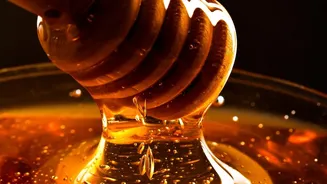
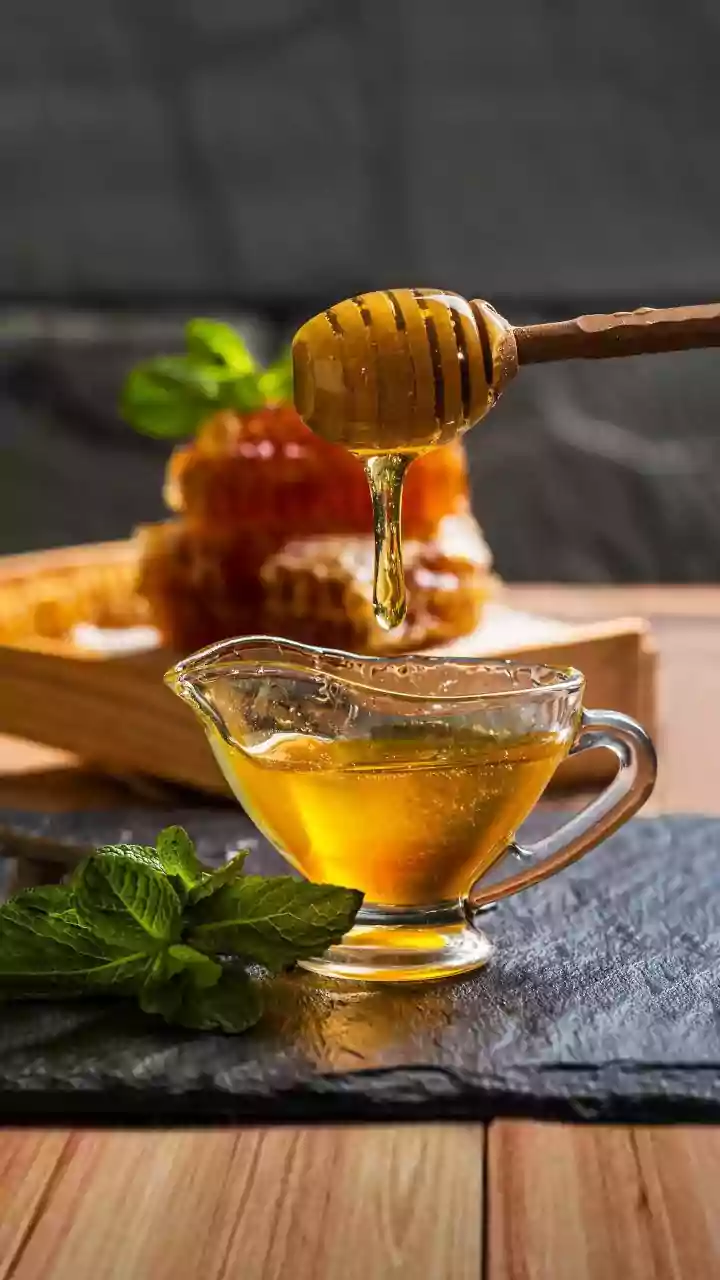
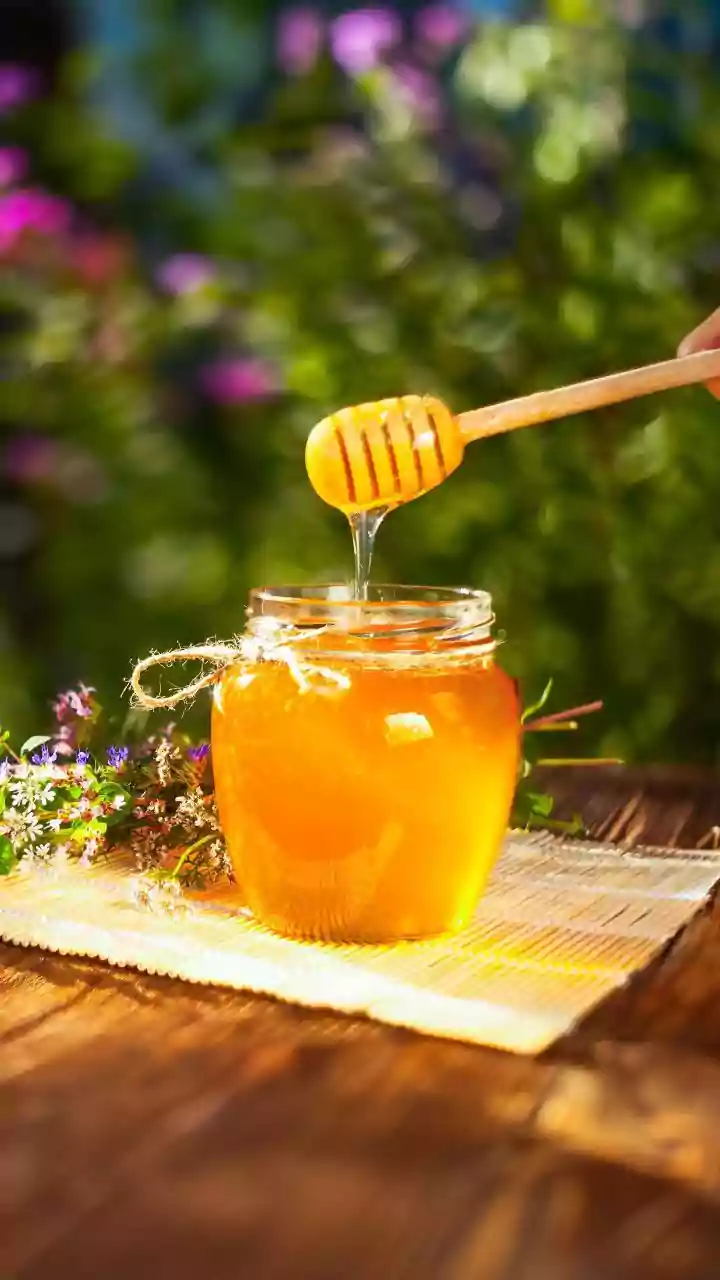
We’ve all done it—held a spoon of honey aloft and watched it slowly drizzle into a cup of tea, the thick, golden ribbon folding onto itself. It feels wholesome, natural, and pure. This visual cue is the basis for one of the most popular home 'purity tests':
the idea that thick, viscous honey is authentic, while thin, watery honey has been adulterated with syrups. It’s an appealingly simple concept. After all, pure honey is dense and substantial, so it seems logical that its thickness would be a primary indicator of quality. This belief is so widespread that many people judge a jar’s authenticity before even opening it, purely based on how the contents move—or don’t.
Why Thickness Is a Deceiving Indicator
The truth is that honey's viscosity, or thickness, is not a reliable measure of its purity. Several natural factors have a far greater impact on its texture. The first is its floral source. Nectar composition varies significantly between plants. Honey made from clover or wildflower nectar tends to have a higher glucose content, making it naturally thick and quick to crystallize. In contrast, honey from acacia or sage flowers is higher in fructose, which keeps it runny for longer.Temperature is another crucial factor. Honey thickens dramatically in the cold and becomes much more fluid when warm. A honey that is thick in a cool pantry can become surprisingly runny on a hot day, with its viscosity potentially halving for every 6–8°C rise in temperature. Water content also plays a major role; honey with a naturally lower moisture level (around 14-18%) will be much thicker than honey with a higher moisture content (closer to 20%), yet both can be perfectly pure.
Sophisticated Fakes and Faulty Home Tests
Today, honey adulteration is a sophisticated business. Producers of fake honey are well aware that consumers associate thickness with quality. They can use thickeners or concentrated rice and corn syrups that perfectly mimic the density and slow flow of genuine, high-quality honey. This means a thick honey could easily be a well-engineered fake, while a naturally runny, pure honey from a specific floral source might be wrongly dismissed.This unreliability extends to most other DIY purity tests you see online. The 'water test', where pure honey supposedly sinks as a lump while fake honey dissolves, can be easily fooled by adulterants formulated to have a similar density. The 'flame test'—claiming pure honey will burn on a matchstick—is simply a crude indicator of moisture content, not purity, and can be dangerous. Experts and scientific analysis agree: there is no foolproof home test to definitively prove honey is authentic.
How to Actually Find Pure Honey
If you can’t trust the drip, what can you rely on? The best approach is to become an informed consumer. Instead of focusing on thickness, start by reading the label. Look for terms like 'raw' and 'unfiltered,' which suggest less processing. Be wary of labels that say 'a blend of honeys from multiple countries,' as this can be a way to disguise origin and quality.One of the best signs of pure, raw honey is actually crystallization. This natural process, where glucose separates from the water, causes honey to become thick, semi-solid, and grainy. While some consumers mistake it for spoilage, it's a hallmark of authenticity that many adulterated honeys, designed to stay liquid, will never undergo. If your honey crystallizes, simply place the jar in a warm water bath to gently re-liquefy it.Ultimately, the most reliable method is to buy from a source you trust. Purchasing directly from local beekeepers at a farmers' market allows you to ask questions about the floral source, the harvest, and their practices. This transparency is far more valuable than any home test.