

From Last Post to First Welcome
For decades, a sign at Mana proudly declared it 'The Last Indian Village'. Situated just a few kilometres from the Indo-Tibetan border in Chamoli district, it was the final accessible point for civilians. However, a recent rebranding initiative by the government
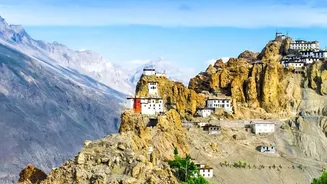
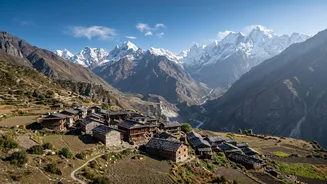
has renamed it 'India's First Village'. This change is more than symbolic; it's a strategic move to boost tourism and instil a sense of national pride, transforming the perception from a remote dead-end into a welcoming gateway to the country's rich cultural and geographical frontier. At an altitude of about 3,200 metres, this village, home to the Bhotiya community, is now a designated 'Tourism Village' by the Uttarakhand government.
Where Mythology Breathes
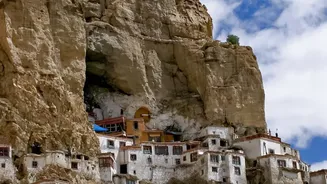
Mana's soul is deeply intertwined with the Hindu epic, the Mahabharata, and every landmark tells a story. The most revered site is Vyas Gufa, the ancient cave where it is believed Maharishi Ved Vyas dictated the epic to Lord Ganesha, who scribed it from the nearby Ganesh Gufa. Another marvel is Bheem Pul, a massive, natural rock bridge spanning the roaring Saraswati River. Legend holds that the Pandava brother, Bheem, placed the giant stone to help Draupadi cross during their final ascent to heaven, known as the Swargarohini Yatra, which is believed to have begun here.
Experiencing Local Himalayan Life
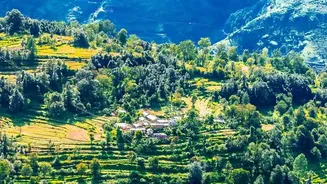
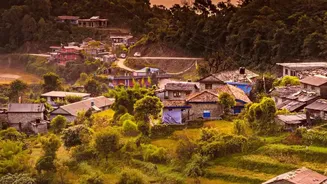
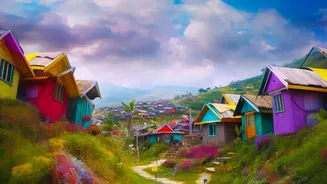
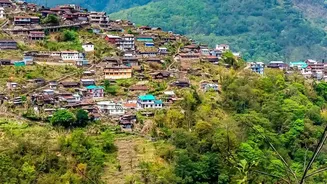
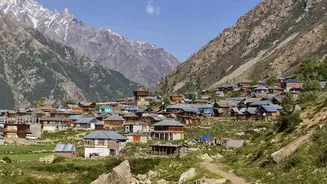
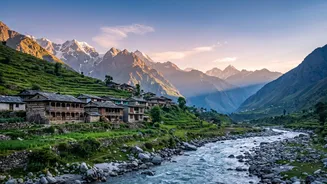
A trip to Mana offers more than just sightseeing; it's an immersion into a unique way of life. The village is inhabited by the Bhotiya tribe, known for their exquisite hand-woven woollen shawls, caps, and carpets. Visitors can purchase these crafts directly from the artisans, supporting the local economy. The village also offers a taste of the Himalayas, with small tea stalls serving warm chai and local eateries offering dishes made from regional produce like potatoes and kidney beans. The rustic stone-paved paths and traditionally carved wooden cottages add to the authentic charm of the experience.
Beyond Mana: The Vibrant Villages Initiative
The spotlight on Mana is part of a larger central government scheme called the 'Vibrant Villages Programme'. This initiative aims to develop infrastructure and promote tourism in 46 border blocks across several states, including 51 villages in Uttarakhand. The goal is to create livelihood opportunities and encourage residents to remain in these remote areas. Following Mana's success, other border villages like Malari, Niti, and Harsil are also being developed as tourist destinations. These areas offer travellers a chance to explore untouched landscapes, from the rugged beauty of Malari in the Nanda Devi Biosphere Reserve to the serene apple orchards of Harsil near Gangotri.
Planning Your Himalayan Journey
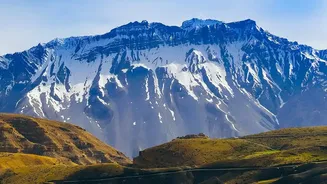
Reaching Mana is an adventure in itself, accessible only by road via National Highway 7, a few kilometres past the temple town of Badrinath. The nearest airport is Jolly Grant in Dehradun (around 320 km away), and the closest major railway station is in Rishikesh. The best time to visit is from May to early November, as the region experiences heavy snowfall and becomes inaccessible during the winter months. The summer months of May and June offer pleasant weather, while September and October provide clear skies and stunning post-monsoon views of the Himalayas. Due to the high altitude, acclimatisation is crucial for all visitors.