







What's Happening with Prices Now?
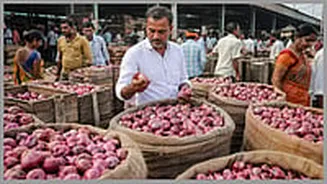
As of late August 2026, onion prices have seen a significant surge across the country. The all-India average retail price climbed to around ₹43.53 per kilogram, a nearly 59% increase compared to the same period last year. In major cities like Delhi, prices have been
reported as high as ₹65 to ₹70 per kg. This recent spike is not due to a sudden increase in demand but rather a tightening of supply, a situation that often unfolds between harvesting seasons just before major festivals.
A Tale of Two Crops: Rabi and Kharif
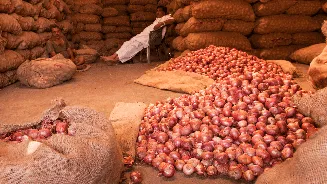
India's onion supply follows a distinct seasonal cycle. The main supply comes from the Rabi crop, which is harvested around March and April. This crop is known for its better shelf life, and these are the onions that are stored to meet demand for several months. By August and September, these stored stocks naturally begin to deplete. The market then eagerly awaits the arrival of the Kharif crop, which is typically harvested starting in September or October. The current price rise is happening precisely in this lean period, as the old Rabi stock dwindles and the new Kharif crop is yet to reach the markets in full force.
The Weather's Decisive Role
This year, the weather has played a particularly disruptive role. Unseasonal rains and hailstorms in states like Maharashtra during the Rabi harvest in March and April damaged the crop. This excess moisture reduced the onions' quality and shortened their shelf life, leading to significant spoilage in storage—reportedly as high as 30-40%, compared to the usual 25%. Compounding the problem, a delayed monsoon has slowed the sowing and transplantation of the upcoming Kharif crop. This delay means the fresh supply needed to cool down prices may not arrive until later than usual, potentially extending the period of high costs.
The Government's Balancing Act
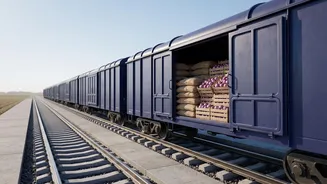
The government is actively intervening to control the price surge. It maintains a buffer stock of onions, procured earlier in the year, specifically for moments like this. To ease the pressure, it has started releasing these stocks in major cities. A key initiative is the 'Kanda Express', special trains transporting onions from production hubs like Nashik to high-consumption centers. Furthermore, onions from this buffer are being sold at a subsidized rate of ₹35 per kg through government-affiliated outlets like NAFED and NCCF to provide direct relief to consumers. Despite the price spike, the government has ruled out banning exports for now, stating that overall production for the year is stable and sufficient.
What Can Households Do?
While you can't control the wholesale market, you can adopt smarter strategies. When prices are high, buying in smaller quantities more frequently can reduce the risk of your own onions spoiling. Exploring alternatives like dehydrated onion flakes or powder for certain dishes can also be a temporary solution. Keeping an eye out for government-run mobile vans or outlets selling subsidized onions can offer significant savings. These interventions are specifically designed to help households during price peaks. Understanding that this is often a seasonal, temporary crunch between harvests can also help in planning monthly expenses without panic.