






The End of Endless Choice
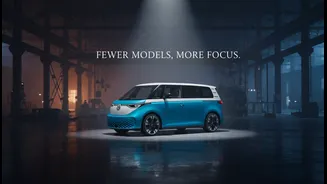
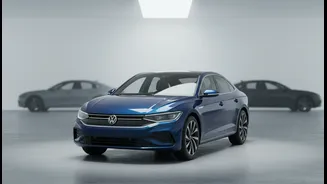
For decades, the mantra in the car business was more: more models, more trims, more options for every conceivable buyer. Volkswagen and its subsidiary brands like Audi and Porsche were masters of this game. Now, the company is dramatically reversing course.
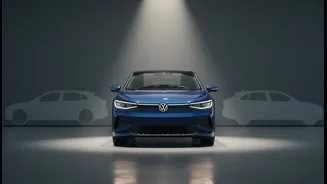
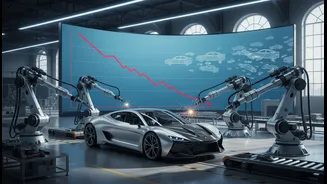
As part of a massive performance program called “Accelerate Forward,” VW plans to cut its sprawling portfolio by up to 50% by 2030, focusing only on the most profitable models and market segments. The goal is to slash complexity, with some model lines seeing a 75% reduction in equipment options. This move is designed to save billions and make the company faster and more resilient in a tough global market.
Why Less Is Suddenly More
This dramatic pivot is driven by a perfect storm of challenges. Firstly, the transition to electric vehicles (EVs) is astronomically expensive. Automakers are pouring billions into developing new battery technology, electric motors, and dedicated EV platforms. Secondly, modern cars have become data centres on wheels. The complexity of integrating software for everything from infotainment to autonomous driving features is a huge engineering and financial drain. Many legacy automakers have struggled with software development, facing costly delays and bugs. By reducing the number of distinct models, carmakers can streamline these massive investments in hardware and software across a more focused lineup. This is a move from a hardware-driven to a software-driven value proposition.
Consolidation Beyond Mergers
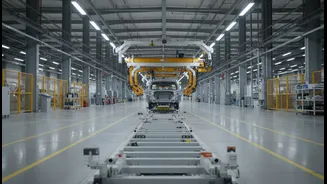
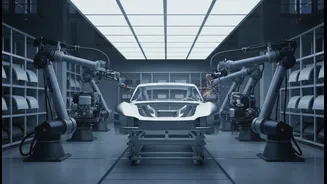
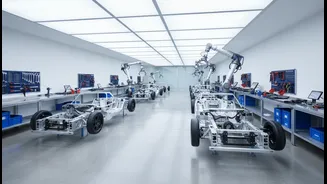
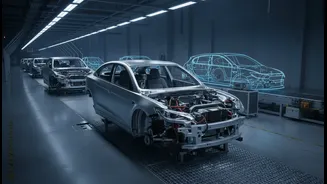
The headline claim of 'consolidation' isn't just about big companies buying smaller ones, though that is happening too. The more immediate form of consolidation is internal. It's about platform sharing, where multiple, distinct-looking models from different brands are built on the same underlying architecture. Volkswagen Group has long been a leader here with its MQB platform, which underpins everything from a Volkswagen hatchback to a Skoda SUV. This strategy allows carmakers to spread development costs across millions of vehicles, reduce manufacturing complexity, and speed up production times. The new industry reality is that creating unique underpinnings for every single model is no longer financially viable. The future is fewer, more flexible platforms that can support a wide range of vehicles.
The India Context
For the Indian market, this global strategy has specific implications. Volkswagen Group's 'India 2.0' strategy already reflects this consolidation mindset, with Skoda and VW launching models like the Kushaq, Taigun, Slavia, and Virtus, all based on the localised MQB A0 IN platform. This platform-sharing approach has been key to the group's recent performance in India. While VW India has a plan for new product interventions, the global push for simplification means the focus will likely remain on these core, high-volume models and their derivatives. The dream of seeing every niche European model on Indian roads is fading; instead, expect a more focused lineup tailored for local tastes but built on global platforms.
What This Means For You
For the average car buyer, this industry-wide shift will bring noticeable changes. In the short term, it might mean less choice. Niche models like convertibles, coupes, or slow-selling variants are likely to disappear from showrooms. However, the upside could be better, more reliable cars. By focusing their immense resources on fewer platforms, automakers can theoretically improve quality, accelerate technological development, and potentially make advanced features more accessible. The cars that remain will be more profitable for the manufacturers, but also more central to the market's demands. The era of bewilderingly large catalogues is ending, replaced by a more curated and focused approach to car making.