





The Powerhouse in Your Pantry
Pulses—the category of dried seeds that includes lentils, beans, and peas—are a cornerstone of our diet for good reason. They are an excellent source of plant-based protein, which is essential for muscle health and repair. They are also incredibly high
in dietary fibre, which aids digestion, helps you feel full for longer, and can contribute to managing blood sugar levels. Beyond protein and fibre, dals, chanas, and rajmas are loaded with important micronutrients like iron, folate, potassium, and magnesium. Regular consumption of pulses has been linked to a reduced risk of several chronic diseases, making them a true superfood that's both affordable and accessible.
The Missing Pieces of the Puzzle
Despite their impressive nutritional profile, a diet that relies too heavily on pulses alone can have some gaps. The main one relates to protein quality. While rich in protein, most pulses are not 'complete' proteins, meaning they lack sufficient amounts of one or more essential amino acids—the building blocks of protein that our bodies cannot make. Specifically, pulses tend to be low in the amino acid methionine. Furthermore, a diet solely focused on pulses might lack adequate amounts of healthy fats and certain vitamins, like Vitamin B12, which is primarily found in animal products. Overconsumption can also lead to digestive issues like bloating and gas for some people, and certain compounds in pulses, known as antinutrients, can slightly hinder the absorption of minerals like iron and zinc if eaten in excess.
The Age-Old Wisdom of Pairing
The good news is that Indian culinary tradition has inherently understood the concept of nutritional balance for centuries. The classic combination of dal and rice, or dal with roti, is not just a marriage of taste and texture—it's a nutritional masterstroke. Cereal grains like rice and wheat are low in the amino acid lysine but contain the methionine that pulses lack. When eaten together, they form a complete protein, providing your body with all the essential amino acids it needs, similar in quality to animal protein. This concept, known as protein complementation, is the secret behind why these simple, traditional meals are so nourishing and sustaining.
Building the Perfect Balanced Thali
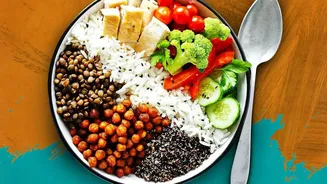
To truly elevate your pulse-based meal, think of building a complete thali. This traditional Indian meal format is a visual guide to a balanced diet. Start with your katori of dal (protein). Add to that a serving of whole grains like brown rice or whole wheat chapati for energy and that complementary protein boost. Don't forget a generous portion of seasonal vegetables (sabzi), which provide a wide array of vitamins, minerals, and antioxidants that pulses alone may not cover. A side of curd or raita introduces probiotics for gut health and adds calcium. Finally, a small portion of salad provides extra fibre and freshness, and a dollop of ghee can offer the healthy fats needed for nutrient absorption. This combination ensures you get a complete spectrum of macronutrients and micronutrients in one satisfying meal.
Getting the Balance Right
Moderation and variety are key. While there's no need to limit your dal intake drastically, aim for a plate that is diverse in colour and food groups. A good guideline is to have pulses as one component of your two major meals each day. Instead of three different dal preparations, pair one dal with a leafy green vegetable dish and a root vegetable preparation. Rotate the types of pulses you eat throughout the week—from masoor and moong to rajma and chole—to benefit from their slightly different nutritional profiles. Soaking pulses well before cooking can also help reduce the compounds that cause digestive discomfort and improve nutrient absorption. Enjoying pulses is a healthy habit; ensuring they are part of a varied diet is an even better one.