




Start with a Pantry Audit
Before you can shop smarter, you need to know what you have. The first step is a thorough pantry audit. Pull everything out. Yes, everything. Group similar items together: flours with flours, dals with dals, spices with spices. Check the dates on every package.
This is also a good time to get rid of anything that’s clearly expired, has developed an off smell, or shows signs of pests. This process gives you a clean slate and an honest look at your consumption habits. You’ll likely find duplicates you forgot you had and items you bought for a single recipe and never used again. Make a list of what you're keeping and what you use most frequently; this will become the foundation of your new shopping strategy.
Decoding the Dates: 'Best Before' vs. 'Expiry'
A major source of food waste is confusion over date labels. It’s crucial to understand the difference. A 'Best Before' date is about quality, not safety. It indicates when the manufacturer believes the product will be at its peak flavour and texture. Many shelf-stable items like canned goods, pasta, and rice are often perfectly safe to eat long after this date, provided the packaging is intact. An 'Expiry' or 'Use-By' date, however, relates to safety. This is typically found on perishable items and indicates that the food may not be safe to consume after the date has passed. For most pantry staples, you'll see a 'Best Before' date. Use your senses—if it looks, smells, and tastes fine, it likely is.
The Smart Shopping List
Your pantry audit and an understanding of date labels now empower you to create a truly smart shopping list. Instead of guessing, base your list on the inventory you just took. Note down the staples you are genuinely running low on—the ones you use weekly. For items you use less frequently, consider buying them in smaller quantities, even if a bulk offer seems tempting. Many stores now offer bulk bins or zero-waste sections where you can buy exactly the amount of an ingredient you need, from a tablespoon of a rare spice to a small cup of a specific dal. This prevents having large packets of little-used ingredients languishing in your pantry for years.
Know Your Staples' Shelf Life
Different ingredients have vastly different lifespans. Whole spices, for instance, retain their flavour much longer than ground ones. Whole cumin or coriander seeds can last for a couple of years, while their powdered forms start losing potency after about six months to a year. Whole wheat atta, with its higher oil content, goes rancid faster than all-purpose flour (maida). Similarly, lentils and beans can last for years, but oils and nuts have a shorter shelf life due to their fat content, which can turn rancid. Being aware of these general timelines helps you decide what to buy in larger amounts and what to purchase in smaller, more frequent batches.
Storage is Your Secret Weapon
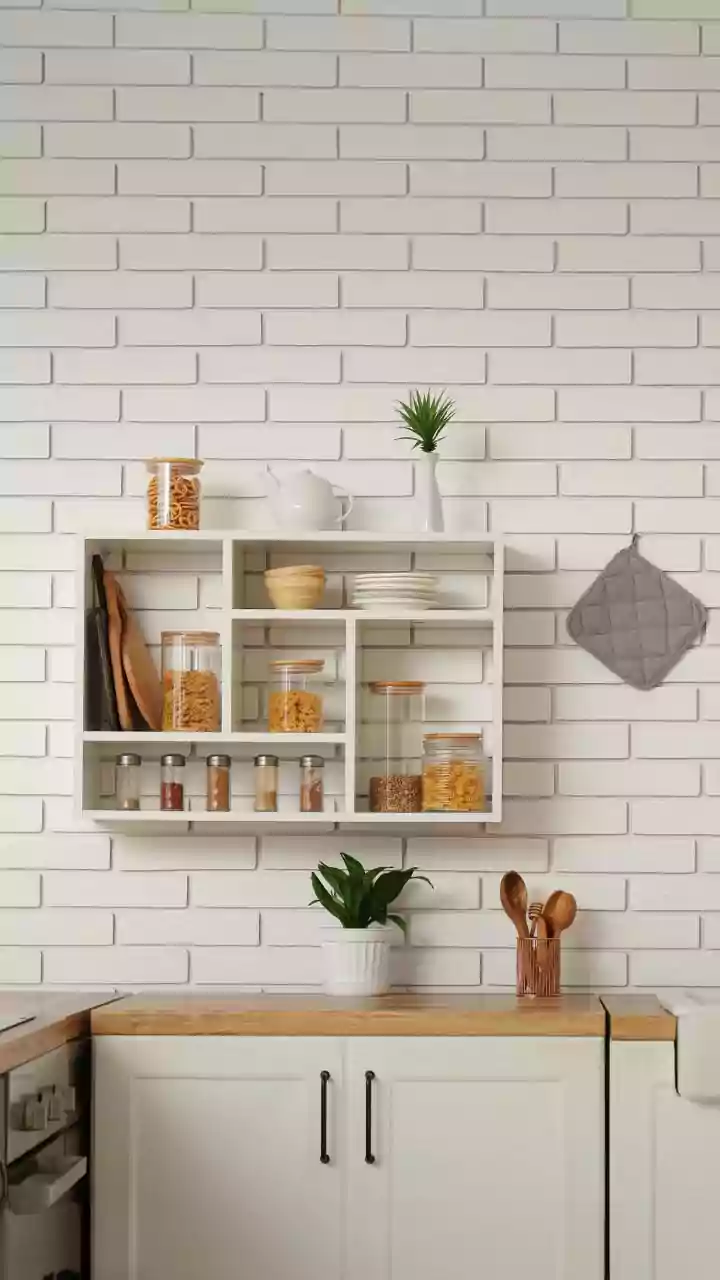
How you store your staples is just as important as how you buy them. The main enemies of pantry goods are air, light, heat, and moisture. Transfer items like flour, rice, and dals from their original paper or plastic bags into airtight containers. Glass jars are an excellent choice as they are non-porous and don't absorb odours. Keep spices in a cool, dark cupboard away from the stove, as heat and light will degrade their essential oils and flavour. For items prone to going rancid quickly, like whole grain flours or nuts, consider storing them in the refrigerator or freezer to dramatically extend their freshness. Always practice the 'First In, First Out' (FIFO) method: move older items to the front so you use them first.