




The Speed of Digestion
One of the primary reasons liquid meals can feel less satisfying comes down to simple physics. Solid food has to be mechanically broken down by chewing and then churned in the stomach to be turned into a thick fluid called chyme. This process takes time.
In contrast, liquids don't require this intensive breakdown. They pass through the stomach much more quickly, a process known as rapid gastric emptying. While solid meals can linger in the stomach, providing a prolonged feeling of fullness, liquids can transit into the small intestine at an almost exponential rate, especially if they are low in fat, protein, or fiber. This rapid exit means the physical sensation of a full stomach is short-lived, signaling to your brain that it's time to eat again much sooner than a solid meal would.
The Missing First Step: Chewing
The act of chewing, or mastication, is more than just the first step in digestion; it's a critical satiety signal. Chewing sends messages to your brain that food is on the way, preparing your body for digestion and triggering the release of hormones that regulate hunger and fullness. Research has shown that prolonged chewing can reduce self-reported hunger and influence gut hormones. When you chew more, your body tends to release less ghrelin (the 'hunger hormone') and more cholecystokinin (CCK) and glucagon-like peptide-1 (GLP-1), which are hormones that signal fullness. Since liquid meals completely bypass this crucial step, the brain and gut miss out on these important early cues. Your brain may not fully register that you have consumed a meal, making the calories feel 'unseen'.
The Hormonal Response
Beyond the initial signals from chewing, the composition and form of your food continue to influence hormonal responses as it's digested. The slower, more controlled release of nutrients from solid food allows for a more gradual and sustained hormonal feedback loop. As solid food is broken down, it prompts a steady release of satiety hormones like PYY and GLP-1 from the gut, which tell your brain you are full. Liquid meals, due to their rapid digestion and absorption, can cause a faster and sharper spike in blood sugar and insulin compared to an equivalent solid meal. While this provides quick energy, the subsequent drop can trigger hunger again. The robust hormonal cascade that promotes lasting satiety is often blunted when a meal is consumed in liquid form.
Mind Over Matter: The Psychology of Fullness
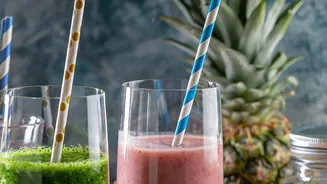
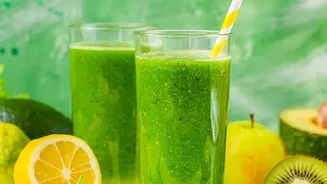
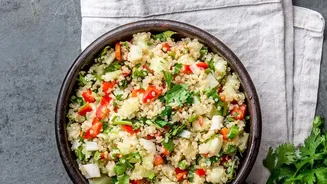
Satiety isn't just a physical process; it's also psychological. The ritual of sitting down and eating a solid meal provides a different level of satisfaction than quickly drinking a shake. The sensory experience of seeing, smelling, and chewing food contributes to our perception of having eaten a 'proper' meal. Psychologically, our brains may not classify a beverage in the same category as a meal, even if the calorie count is identical. This can lead you to feel mentally unsatisfied, as if you've had a snack rather than a complete meal, leaving you looking for something more to eat shortly after. This mental aspect is why some people find a hearty soup, which is eaten with a spoon and often contains chunks of vegetables or protein, more filling than a smoothie with the same ingredients.
Making Your Liquid Meal More Satisfying
This doesn't mean liquid meals are a bad choice. They can be an excellent way to get nutrients in, especially when you're short on time. To make them more filling, focus on the ingredients. Adding sources of protein, healthy fats, and especially fiber can significantly slow down gastric emptying and promote a greater feeling of fullness. Protein is widely known for its satiating effect. Fiber, which is often lost in juices but can be retained in smoothies, adds bulk and slows digestion. Fats also delay the speed at which food leaves your stomach. By including ingredients like protein powder, Greek yogurt, avocado, nut butters, chia seeds, or psyllium husk, you can transform a simple smoothie from a quick drink into a more substantial and satisfying meal that keeps hunger at bay for longer.