


A Legend Reimagined for a New Era
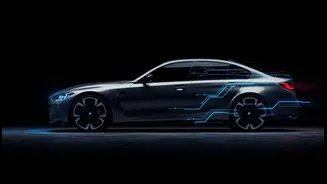
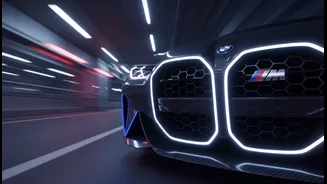
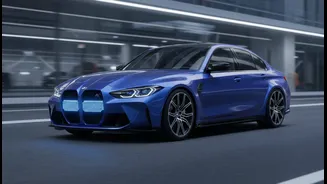
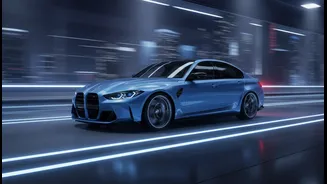
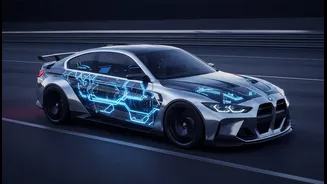
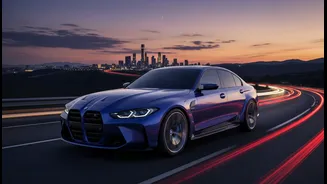
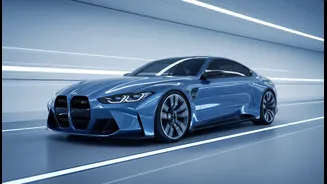
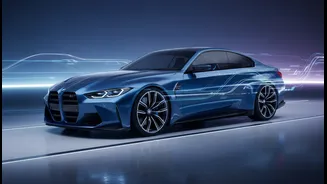
The next chapter for the iconic M3 will be written on BMW’s dedicated “Neue Klasse” (New Class) electric platform. Recent sightings of prototypes testing at Germany's demanding Nürburgring circuit confirm that the project is well underway for a planned
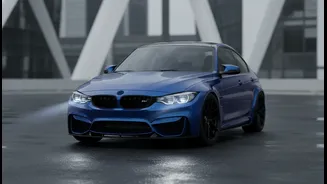
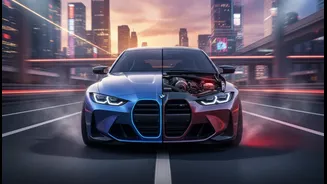
2027 debut. Crucially, BMW M's boss, Frank van Meel, has confirmed it will be called simply “M3,” not “iM3,” signaling that the company sees this as a direct successor, not a separate spin-off. This decision alone raises the stakes. By keeping the name, BMW is making a bold promise that this new car, despite its silent powertrain, will deliver the authentic experience that the M3 badge represents. The company is even hedging its bets by planning to release an updated gasoline-powered M3 in 2028, suggesting that even BMW isn't sure which path its customers will ultimately choose.
The Challenge Beyond Raw Power
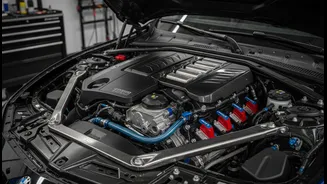
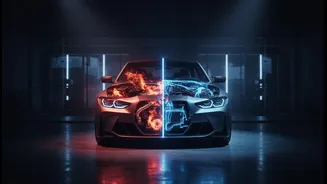
Creating a fast EV is the easy part. Rumors suggest the electric M3 will feature a quad-motor setup delivering somewhere around 1,000 horsepower, a staggering figure that would make it the most powerful M3 ever. But M-cars have never been just about straight-line speed. The real challenge lies in translating the brand’s soul—the tactile feedback, the precise handling, the sound, and the emotional connection—into a fundamentally different technology. Legacy brands are discovering that you cannot simply change the powertrain and the design language at the same time without risking alienating your core audience. BMW engineers are reportedly focused on this, developing a unique control system called “Heart of Joy” that manages the dynamics of the quad-motor setup to deliver a signature M-style driving feel, complete with simulated shifts and sounds. Its success will determine if the car feels like a true M3 or just another ferociously quick but generic EV.
The Identity Crisis for Heritage Brands
BMW isn't facing this existential challenge alone. Across the industry, storied performance brands are grappling with the same problem. How do you maintain a brand identity built over decades on the character of combustion engines when you switch to electric motors? Mercedes-AMG, BMW’s chief rival, is also developing a dedicated high-performance EV platform, with its CEO stating the mission is to create “an AMG first and an EV second.” They are focusing on repeatable performance on the track, not just momentary acceleration, to preserve their motorsport DNA. Porsche, having found initial success with the Taycan, is now preparing an all-electric version of its iconic 718 Cayman and Boxster sports cars. These efforts show that for heritage brands, going electric is less a technical problem and more an identity crisis. Their hard-earned brand equity is their most valuable asset, but it is also tied to a technology that is being phased out.
Why This M3 Is a Market-Wide Test
The electric M3's reception will be a crucial barometer for the entire high-performance automotive sector. If BMW succeeds, it will prove that brand heritage can be successfully translated into the electric era. It will provide a roadmap for others on how to retain brand loyalists while attracting a new generation of buyers. A success would signal that the “soul” of a car isn't tied to pistons and exhaust notes but to the underlying philosophy of performance and driver engagement. However, a failure would be just as significant. If enthusiasts and critics deem the electric M3 a soulless appliance, despite its performance figures, it could validate the fear that heritage brands will struggle to differentiate themselves in a market where startups, unburdened by legacy, are redefining mobility. It would suggest that what made these brands special was inextricably linked to their combustion-engine past, making them vulnerable in the new electric landscape.