

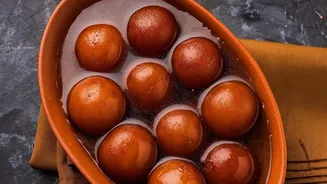
Along National Highway 24, between Delhi and Lucknow, lies Maigalganj, a village known not for monuments but for a singular, sweet obsession. This small outpost in Uttar Pradesh has become a legendary stop for one reason: its gulab jamuns.
A Sweet Stop on the Highway
For travellers
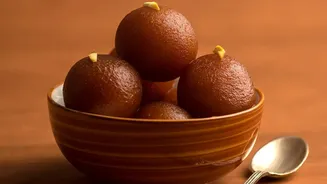
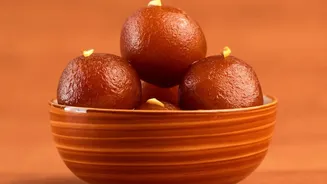
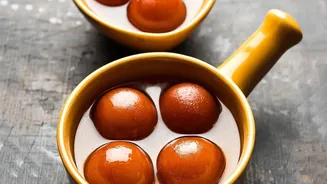
on the bustling highway connecting major north Indian cities, Maigalganj is an essential pause. The village, located in the Lakhimpur Kheri district, is lined with over two dozen shops dedicated to a single craft. Cars and buses make a ritual of stopping here, where passengers stretch their legs and indulge in hot, freshly made gulab jamuns, often served in traditional earthen bowls. This unplanned pitstop has, over decades, transformed Maigalganj from just another village into a celebrated culinary destination, giving it an identity that far outweighs its size. Without this sweet, many locals believe, Maigalganj would be just another anonymous spot on the map.
The Origin of a Sugary Legacy
The story of Maigalganj's fame is rooted in humble beginnings. According to local history, the tradition began in 1941 when a vendor named Dhanpal set up the first sweet shop, Dhanpal Misthan Bhandar. At the time, the area was undeveloped and lacked proper roads, yet the reputation of his gulab jamuns began to spread among the few travellers who passed through. The sweet became so popular that over the following decades, numerous other shops opened, many run by different families but all serving the same iconic dessert. By the 1970s, Maigalganj was firmly established as the 'gulab jamun street', a place where even politicians would make a point to stop. Many shops today share similar names, like 'Mashoor Gulab Jamun ki Purani Dukaan', which translates to 'famous old gulab jamun shop', alluding to this shared heritage.
What Makes Them So Special?
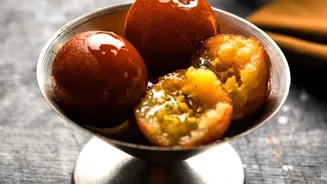
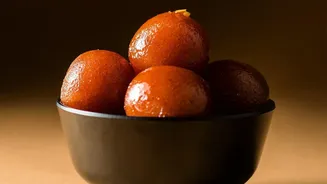
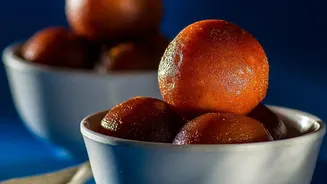
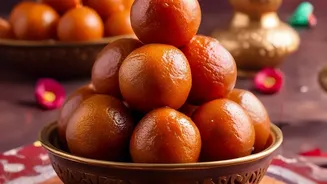
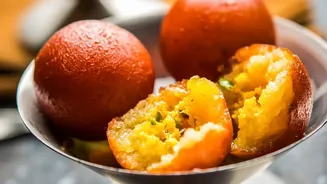
While the exact recipe remains a closely guarded secret for each shop, the distinction of Maigalganj's gulab jamuns comes down to a few key elements. The primary ingredient is khoya, or milk solids, which are painstakingly prepared by reducing milk over a slow flame. This khoya is mixed with a small amount of flour, kneaded into a soft dough, and then shaped into perfectly round balls. These balls are deep-fried, traditionally in pure ghee, until they achieve a golden-brown crust that is crisp on the outside yet remains soft and spongy within. They are then soaked in a sugar syrup, or 'chashni', that is delicately flavoured with cardamom. The art lies in achieving the perfect 'ek-taar' or 'single-string' consistency for the syrup, ensuring it is absorbed perfectly without making the jamuns overly sweet or soggy.
More Than Just a Dessert
The gulab jamun is not just a product for Maigalganj; it's the town's cultural and economic backbone. The tradition provides livelihoods for numerous families, from the shop owners to the artisans who craft the sweets. It has turned the village into a micro-economy centred around a single culinary export. This shared identity fosters a sense of community and pride. While shops compete for customers, there is an understanding that the collective reputation is what draws people in. The name 'Maigalganj Gulab Jamun' has become a brand in itself, a testament to how a simple, well-made dish can define a place and connect it to thousands of people who pass through every day.