





1. Bhutta (Roasted Corn)
Across India, the smoky aroma of charcoal-roasted corn is the unofficial scent of the monsoon. Vendors appear on street corners, fanning embers to grill fresh cobs, which are then rubbed with a mixture of lemon, salt, and chilli powder. This simple, rustic
snack is more than just food; it’s a taste of nostalgia and the perfect warm, tangy bite on a cool, rainy day. While corn is grown year-round, its association with the rainy season is unshakable.
2. Pakoras and Bhajiyas
The unwritten rule of the Indian monsoon is that rain must be accompanied by a plate of hot, crispy fritters and a steaming cup of chai. Known as pakoras in the north and bhajiyas in Maharashtra, these deep-fried snacks are made by dipping vegetables like onions, potatoes, or spinach into a spiced gram flour batter. Psychologists suggest our craving for this warm, crunchy comfort food is an emotional response linked to childhood memories and the simple pleasure of a hot snack on a cool day.
3. Khichdi
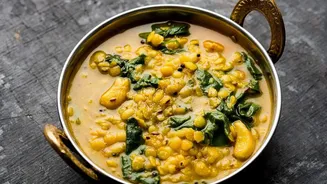
When the rain is relentless, many Indian kitchens turn to Khichdi, a deeply comforting one-pot meal of rice and lentils. It is light, easy to digest, and aligns with the Ayurvedic principle of eating gentle foods when the digestive system is believed to be weaker during the monsoon. Often served with a dollop of ghee, a side of pickle, or yogurt, this dish varies from the soupy Bengali khichuri to spicier versions in other regions, but its role as a nourishing rainy-day staple is universal.
4. Hilsa Fish (Ilish)
For Bengalis, the monsoon is synonymous with Ilish, or Hilsa. This prized fish is anadromous, meaning it lives in the sea but migrates upstream into freshwater rivers to spawn during the rainy season. This journey makes the fish fattier, oilier, and incredibly flavourful. Available fresh only between July and September, dishes like Shorshe Ilish (cooked in mustard paste) are not just meals but cherished cultural rituals.
5. Foraged Wild Greens
The monsoon transforms the landscape, coaxing a variety of wild, edible greens from the earth that are unavailable at any other time of year. In Maharashtra, locals forage for greens like phodshi and takla, which are valued for their medicinal properties. In Kerala, the tradition of Pathila Thoran involves cooking ten specific foraged leaves to boost immunity. These hyperlocal greens, often prepared simply, connect regional cuisines directly to the rain-fed land.
6. Wild Monsoon Mushrooms
Just after the first thunderstorms, a secret world of fungi appears in forests across India. These wild mushrooms, unlike their cultivated cousins, have a short, spectacular season. In Goa, termite-mound mushrooms called Olmi are a prized delicacy. In Jharkhand, locals gather Rugra, a pebble-like mushroom known as 'vegetarian mutton'. These foraged fungi, with their intense, earthy flavours, are a true taste of the monsoon.
7. Jamun (Indian Blackberry)
The deep purple Jamun is a quintessential monsoon fruit. Its arrival in markets between May and August signals the peak of the rainy season for many. With a unique sweet, sour, and slightly astringent taste, it’s often eaten with a pinch of salt. More than just a fruit, Jamun is a taste of childhood nostalgia, sold in paper cones by street vendors who appear as if by magic with the first showers.
8. Karkidaka Kanji
In Kerala, the monsoon month of Karkidakam (mid-July to mid-August) is a time for rejuvenation, anchored by a special medicinal porridge called Karkidaka Kanji. Based on Ayurvedic principles, this gruel is made with Njavara rice, coconut milk, and a mixture of specific herbs and spices. It's designed to be easily digestible and boost immunity when the body is considered most vulnerable, making it a perfect example of food as seasonal medicine.
9. Chai
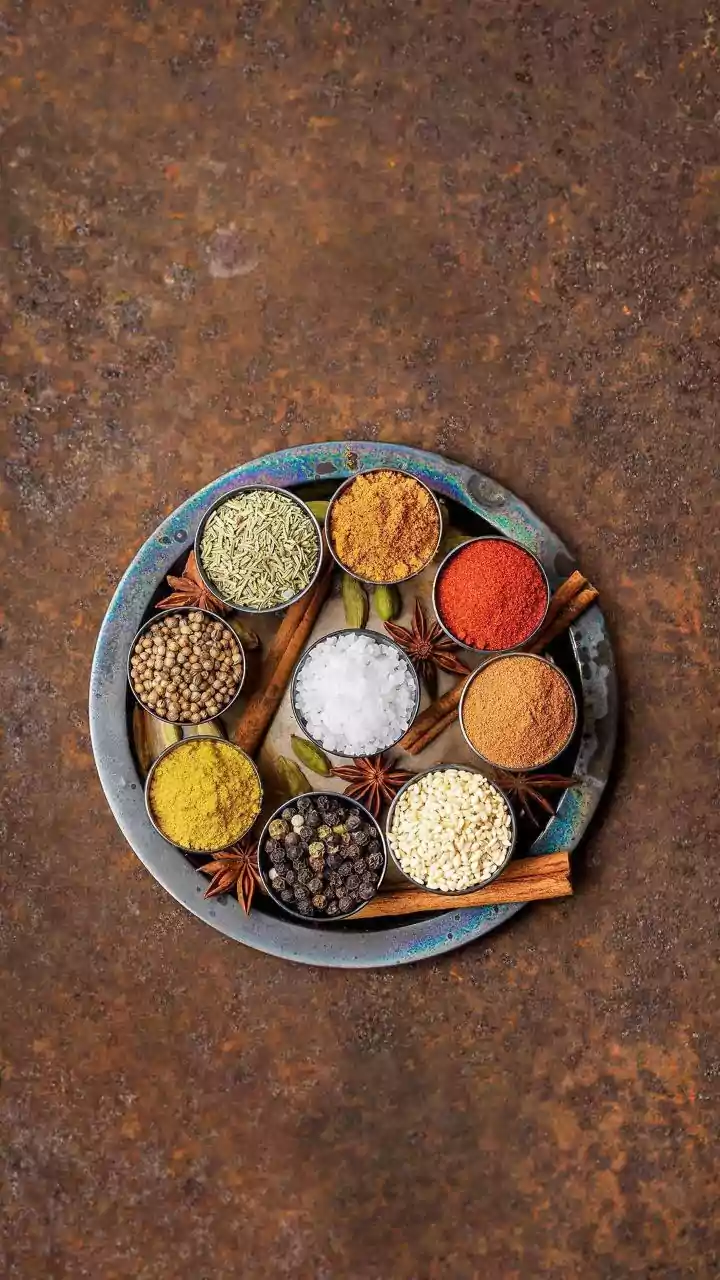
While enjoyed year-round, chai becomes something more during the monsoon. It is the mandatory companion to every rainy-day snack, from pakoras to samosas. The ritual of brewing a pot of adrak chai (ginger tea) or masala chai, with its warming spices like cardamom and cloves, provides a deep sense of comfort that perfectly complements the cool, damp weather. It’s the warm, aromatic core of the monsoon experience.
10. Colocasia Leaves (Arbi Patta)
Large-leafed colocasia plants flourish in the rain, making their leaves a monsoon staple across India. Along the Konkan coast, they are smeared with a spiced chickpea paste, rolled, steamed, and fried to make Patra or Aluwadi. In Bengal, they are cooked into a dish called Kochu Saag, while in other regions, they are used to make fritters. This versatile leaf is a delicious gift of the rainy season.