




A Flower with a 12-Year Clock
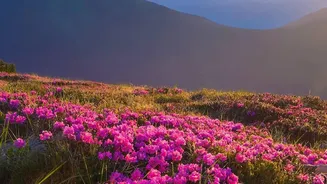
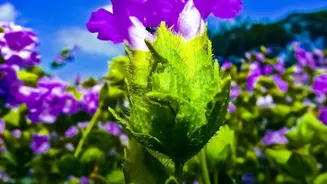
The star of the show is Strobilanthes kunthiana, a modest shrub endemic to the shola grasslands of the Western Ghats. Unlike most plants, it follows a remarkable life strategy known as being monocarpic or semelparous. This means each plant flowers only
once in its entire lifetime, sets seeds, and then dies. For over a decade, it quietly grows, investing all its energy into a single, spectacular reproductive event. This synchronized mass blooming, where an entire population flowers in unison, is a rare botanical phenomenon. While the most famous cycle is 12 years, scientists have identified nearly 46 species of Strobilanthes in India, with some blooming at intervals ranging from seven to sixteen years. This is why you might hear of smaller blooms in different years, like the one seen in 2026, which is distinct from the major bloom of 2018 and the next one anticipated in 2030.
The Ecological Heartbeat of the Ghats
The Neelakurinji is more than just a pretty flower; it's an indicator species, reflecting the health of its fragile high-altitude ecosystem. The mass flowering provides a sudden, abundant source of nectar for pollinators like honeybees and butterflies, playing a crucial role in the local food web. The honey harvested during this period is said to be particularly special. After the bloom, the dying plants decompose, enriching the soil with nutrients that support the regeneration of the grasslands. Its very presence is a testament to the unique biodiversity of the Western Ghats, a UNESCO World Heritage Site. The bloom even gave the Nilgiri Hills, or 'Blue Mountains', their name.
A Cultural Touchstone for Generations
For the local communities, the Neelakurinji is deeply woven into their cultural fabric. The Paliyan tribe of Tamil Nadu traditionally used the 12-year blooming cycle as a natural calendar to calculate their age. For both the Muthuvan and Toda communities, the flowering is considered an auspicious event, symbolizing prosperity and love. Its significance is ancient, with mentions in classical Tamil Sangam literature. This connection between people and the plant highlights a relationship with nature that transcends simple observation, embedding the bloom into the very identity and history of the region.
The Double-Edged Sword of Tourism
The rarity of the Neelakurinji bloom makes it a massive tourist attraction. Before the major 2018 bloom, officials anticipated up to eight lakh visitors. While the devastating Kerala floods that year reduced the final numbers, the influx was still substantial. This tourism provides a significant economic boost to the region. However, it comes at a cost. Unregulated visitor numbers lead to trampled flowers, soil compaction, and plastic waste, which can interfere with the plants' natural regeneration. In recent blooming seasons, authorities have had to issue strict warnings and even take legal action against people for plucking the protected flowers, highlighting the growing tension between tourism and conservation.
An Ecosystem Under Increasing Threat
Today, the future of the Neelakurinji is uncertain. In 2024, it was officially classified as 'Vulnerable' on the IUCN Red List of threatened species. Its habitat faces severe pressure from the expansion of tea and timber plantations, infrastructure development, and the spread of invasive species. Experts estimate that a significant portion of its original habitat has already been lost. Climate change also poses a threat, potentially disrupting the delicate timing of its synchronized flowering cycle. To protect the species, sanctuaries like the Kurinjimala Sanctuary have been established, but the broader ecosystem remains fragile.