



A Tradition Warmed by Generations
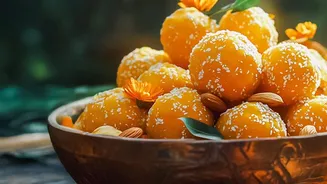
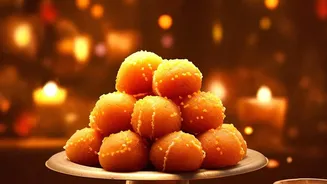
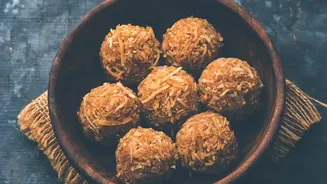
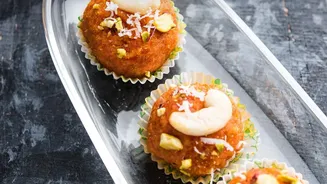
For generations, the onset of winter in India has been marked by the preparation of special sweets. Ladoos made from ingredients like sesame (til), edible gum (gond), whole wheat flour, and nuts are a staple in many households. These are not just treats;
they are a cherished part of cultural and festive traditions, especially during Makar Sankranti. The practice is rooted in ancestral wisdom that links certain foods to seasonal wellness. The idea was to consume foods that fortified the body against the cold, providing the necessary warmth and energy to navigate the season's challenges. This tradition connects us to a culinary heritage designed for a time when lifestyles were more physically demanding and central heating was not a given.
Deconstructing the 'Warming' Ingredients
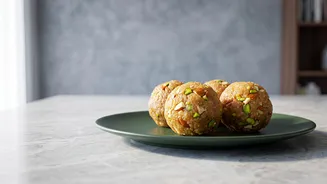
The belief that these ladoos are a winter 'medicine' comes from their powerhouse ingredients, each with benefits recognised in Ayurveda and traditional home remedies. Edible gum, or gond, is prized for its purported ability to strengthen bones, lubricate joints, and boost immunity. It is traditionally given to new mothers to aid recovery and to the elderly to ease joint pain. Sesame seeds (til), often combined with jaggery (gur), are another winter essential. They are considered a 'warming' food in Ayurveda, believed to generate internal heat. Beyond this, sesame is a rich source of calcium, iron, and healthy fats. Nuts like almonds and walnuts add protein, healthy fats, and vital micronutrients. Finally, ghee and jaggery act as binding agents. Ghee provides healthy fats and is believed to aid digestion, while jaggery offers minerals like iron and is a source of quick energy.
The Energy-Dense Reality
While the individual ingredients are nutritious, the combination creates a product that is extremely high in calories. The term 'energy-dense' is the key here. One ladoo can pack a significant caloric punch, primarily from fats (ghee and nuts) and sugars (jaggery or refined sugar). A single, average-sized ladoo can contain anywhere from 150 to over 250 calories, depending on the specific ingredients and size. For example, 100 grams of a standard ladoo can have over 400 calories. The high fat and sugar content, which made these sweets a vital source of fuel for strenuous, active lifestyles in the past, can be a disadvantage in our largely sedentary modern lives. Consuming them in large quantities can easily lead to weight gain and other health issues associated with high sugar intake.
Medicine or Mithai? Finding the Balance
So, are winter ladoos a health medicine or just a sweet? The most accurate answer is that they are a functional food that has been misinterpreted as medicine. The traditional benefits are real: they provide warmth, instant energy, and valuable nutrients that were crucial for winter survival in a different era. However, they are not a 'medicine' to prevent colds or cure ailments in the modern sense. The high sugar content, even from jaggery, can spike blood sugar levels. The best way to view them is as a nutritionally superior form of mithai. They are far better than commercially produced sweets made with refined flour, artificial flavours, and hydrogenated oils. The whole, natural ingredients offer genuine benefits, but they come in an energy-rich package.
How to Enjoy Winter Ladoos Mindfully
There is no need to give up this beloved winter tradition. The key is mindful consumption. Treat ladoos as the rich indulgence they are. Sticking to one small ladoo a day is a good rule of thumb. This allows you to enjoy the taste and nutritional benefits without overloading on calories and sugar. If you make them at home, you have more control. You can increase the proportion of nuts and seeds while reducing the amount of ghee and jaggery. Savour each bite, appreciating the warmth, flavour, and cultural heritage packed into that small, round ball. By understanding them as a potent energy source rather than a guilt-free health snack, you can make them a wise and wonderful part of your winter diet.