





Decoding 'Super-Credits' and CAFE Norms
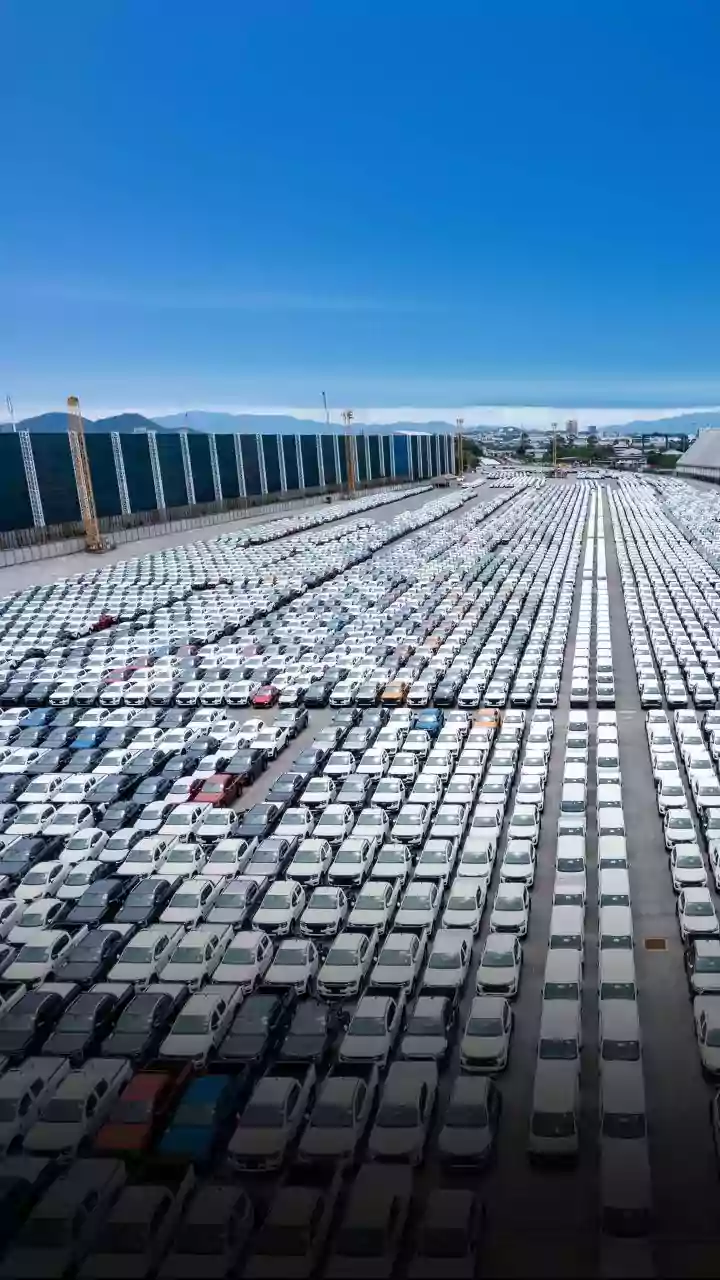
To understand the potential shift, we first need to look at the Corporate Average Fuel Economy (CAFE) regulations. Think of CAFE norms as a report card for carmakers. Instead of grading individual car models, they measure the average fuel efficiency across
a manufacturer's entire fleet of vehicles sold in a year. The goal is to push the industry towards making more fuel-efficient cars overall, reducing India's dependency on imported oil and cutting down on pollution. The latest proposal is for CAFE-III, the third and most stringent phase, set to take effect from April 2027. This is where 'super-credits' come in. They are essentially bonus points awarded to manufacturers for selling vehicles with very low or zero emissions, like electric vehicles (EVs) and strong hybrids. When calculating a company's fleet average, each EV or hybrid sold counts for more than one car, making it easier for the company to meet its tough emission targets.
The Big Push for Cleaner Tech
The introduction of stricter CAFE-III norms and the super-credit system is a clear signal of the government's policy direction. The aim is to accelerate India's transition to cleaner mobility and meet its long-term climate goals, including the net-zero emissions target for 2070. The transport sector is a major contributor to greenhouse gas emissions and urban air pollution, especially in cities like Delhi. By incentivising specific technologies, the policy encourages automakers to invest more heavily in them. The recently released draft for CAFE-III, now open for public consultation, outlines a five-year plan from 2027 to 2032 with progressively tighter emission targets each year. This creates a predictable roadmap for the industry and makes it clear that the future lies in vehicles that are less reliant on traditional petrol and diesel.
Who Are the Biggest Winners?
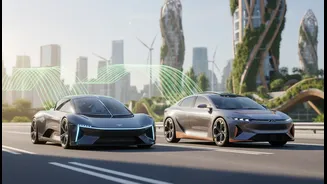
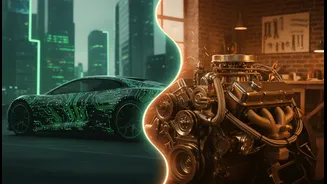
The draft policy clearly favours certain technologies. Battery electric vehicles (BEVs) are set to receive the highest benefits, retaining a significant 'super-credit' multiplier. This makes every EV sold especially valuable for a carmaker's compliance sheet. Following BEVs are strong hybrids, which use a combination of a petrol engine and an electric motor to significantly improve fuel efficiency. While the proposed credit for strong hybrids is slightly lower than in the past, it remains a key incentive. The policy also gives a nod to other cleaner fuels, including flex-fuel vehicles that can run on ethanol blends and even hydrogen fuel-cell vehicles. This technology-neutral approach allows manufacturers flexibility in how they achieve their targets, whether through pure EVs, hybrids, or improvements to conventional engines. Manufacturers with a strong portfolio of these green vehicles will find it easier to comply and may even generate surplus credits.
Will This Make Cars Cheaper?
This is the question on every potential car buyer's mind. The link between super-credits and showroom prices isn't direct, but the potential for cost benefits exists. The system creates a market-based mechanism. Automakers who exceed their targets can generate valuable credits, which they can then trade or sell to other manufacturers who are struggling to meet their goals. This could become a new revenue stream for companies heavily invested in EVs and hybrids. For consumers, this competitive advantage could translate into more aggressive pricing for cleaner vehicles as manufacturers push to sell more of them to earn credits. It also incentivises automakers to introduce a wider range of EV and hybrid models in the Indian market. While the policy itself doesn't mandate a price cut, the pressure to comply and the potential to profit from credits will likely make cleaner cars a more financially viable option for consumers over time.
The Road Ahead
The CAFE-III norms are still in a draft stage, and the government has invited feedback from industry stakeholders before finalising the rules. The automotive industry has previously pushed back against very steep targets, and the latest draft appears to strike a balance between environmental goals and industry concerns, offering more flexibility. Automakers who fail to comply can purchase credits from those with a surplus or directly from the Bureau of Energy Efficiency (BEE), though at a progressively increasing cost. This financial penalty for non-compliance adds another layer of motivation. The successful implementation of this policy will depend on how automakers adapt their product strategies. For consumers, this signals an exciting phase ahead, with a greater push towards innovative and environmentally friendly vehicles set to redefine the Indian car market in the coming years.