








What Exactly Is an AI Gigafactory?
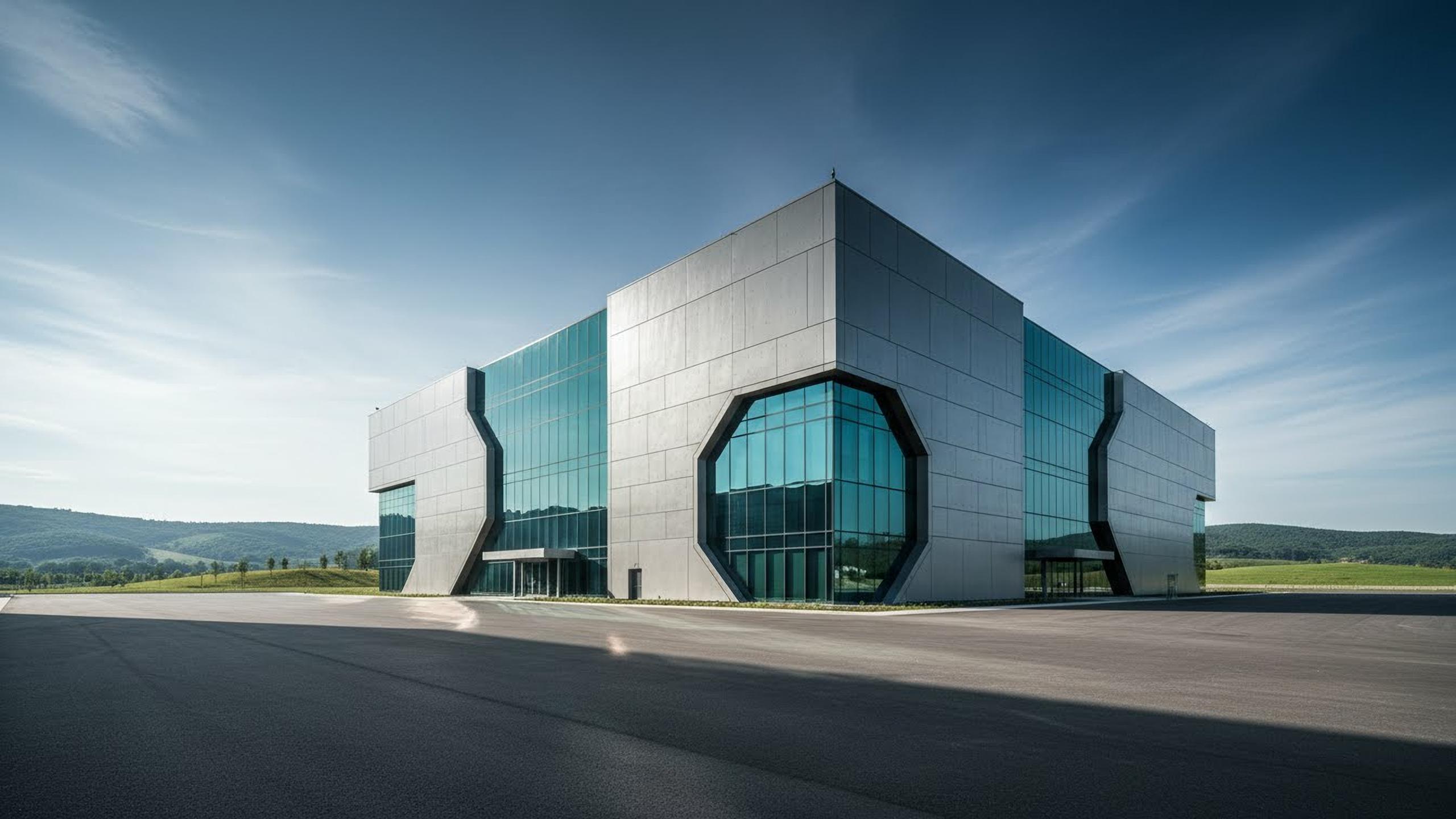
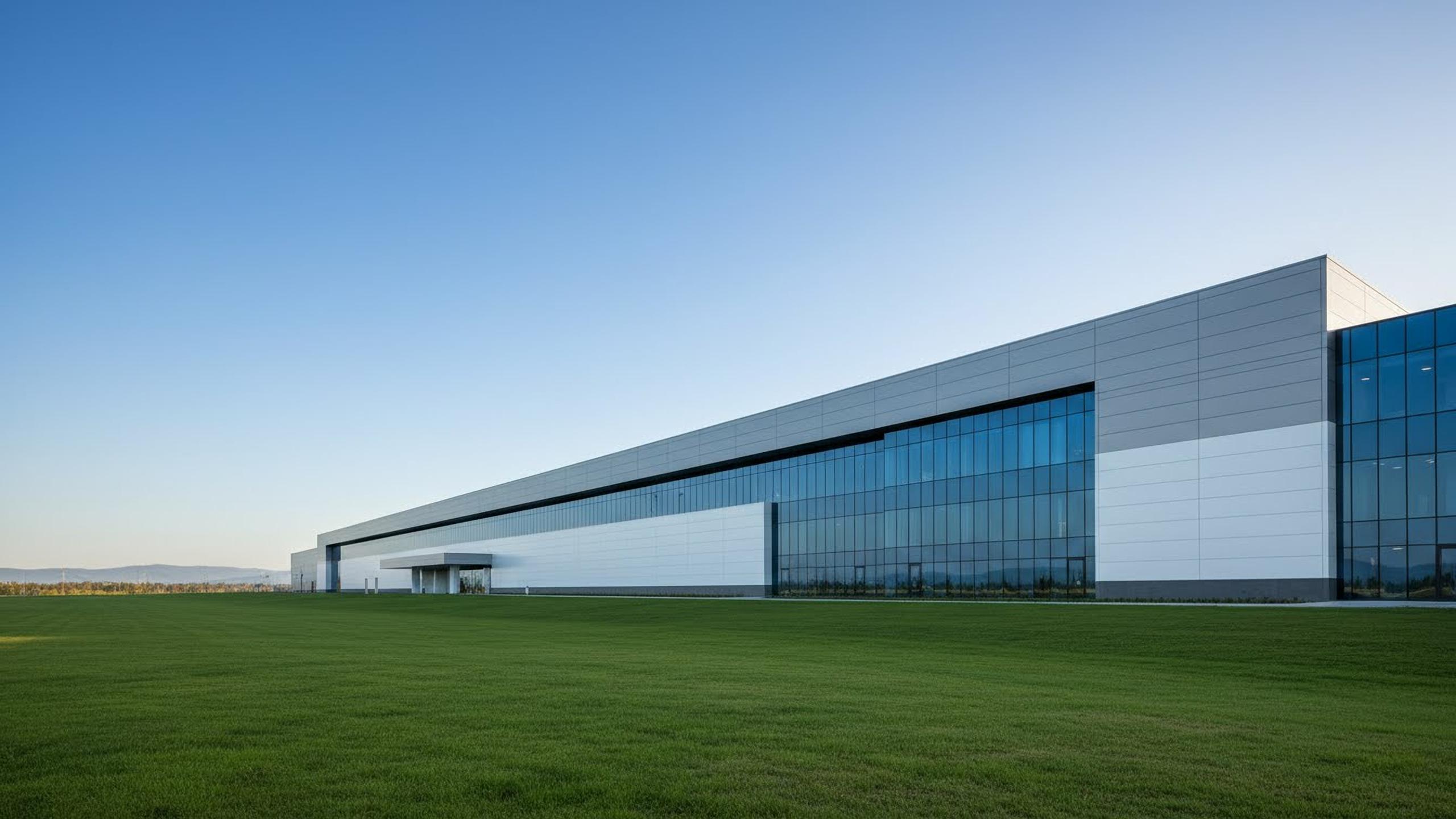
The term 'gigafactory' might bring to mind sprawling industrial complexes, but in the context of artificial intelligence, it refers to something different. An AI gigafactory is a large-scale technological facility designed specifically for developing,
training, and deploying powerful AI models. Think of it not as a factory that builds physical goods, but as a hyper-powerful computing hub. These centres combine immense processing power from specialized chips like GPUs, high-performance data storage, and advanced networking to handle the enormous workloads required by modern AI. The European Commission's plan involves establishing up to seven of these facilities, each expected to be equipped with at least 100,000 cutting-edge AI chips.
The €30 Billion Push for Sovereignty
The significant €30 billion figure is a combination of public and private funds. The European Commission has initiated the effort by making up to €10 billion in EU and national funding available. The goal is for this public money to act as a catalyst, attracting an additional €20 billion or more in private investment. This major financial push is a core part of the EU's wider strategy to achieve 'tech sovereignty'. There's growing concern among European leaders about the continent's dependence on technologies from the US and China. By building its own AI infrastructure, the EU aims to ensure that it can develop advanced AI based on its own rules and values, particularly around data protection and ethics.
Who Are the Key Players?
The initiative is being driven by the European High Performance Computing Joint Undertaking (EuroHPC JU) and will involve a competitive bidding process to select consortia to build and operate the gigafactories. Beyond the EU institutions, major private sector players are also making significant moves. The French telecommunications firm Iliad Group, founded by Xavier Niel, has announced its own multi-billion euro investment plan to become a leader in European AI infrastructure. This includes a €2.5 billion investment by its data centre subsidiary, OpCore, and significant expansion of its cloud unit, Scaleway, which already provides computing power to leading AI startups. Iliad is also a co-founder of Kyutai, a prominent non-profit AI research lab in Paris, alongside CMA CGM and Schmidt Futures.
Why Is This Happening Now?
The timing is driven by the explosive growth of generative AI and the realisation that access to massive-scale computing power is a strategic necessity. Europe has lagged behind the US and China in developing foundational AI models and the infrastructure to support them. With fewer than 14% of EU businesses currently using AI, there is a clear gap to close to meet the bloc's 2030 target of 75% adoption. The AI Gigafactories are designed to give European startups, SMEs, and researchers access to the world-class tools needed to innovate and compete globally. The initiative is a direct response to a global technology race, representing a determined effort by the EU to secure its own footing and not be left behind in a sector that will define the future economy.
Challenges on the Road Ahead
While the investment is a major step, success is not guaranteed. Some industry experts have raised concerns that the plan could inadvertently benefit the very American tech giants Europe aims to rival. For example, the massive demand for specialised AI chips will likely lead to significant purchases from US-based companies that dominate the market. There is also a fear that, without a robust ecosystem of large European customers, the new computing capacity could end up being sold to major US tech firms, which can offer higher prices and simpler deals than a fragmented landscape of smaller European startups. Ultimately, building the infrastructure is only the first step; fostering the demand and talent to fully utilise it will be the true test of Europe's AI ambitions.