





The Collagen Comeback
Collagen is the most abundant protein in our bodies, providing structure and firmness to our skin. As we age, production slows down. Ingestible collagen, found in powders and ready-to-drink beverages, aims to replenish this. The key is using 'hydrolyzed
collagen peptides'—smaller molecules that the body can absorb more easily. A growing body of research suggests that consistent use can improve skin hydration, elasticity, and density. When buying, look for products that specify the type and source of collagen, as this transparency is a hallmark of an evidence-led brand.
Hyaluronic Acid for Hydration
Known for its incredible ability to retain water, hyaluronic acid (HA) is a hero ingredient in topical skincare. Now, it's a star in ingestible formats, too. The logic is that by consuming HA, you can support your skin's hydration levels from the inside out. Studies have shown that oral HA supplements can significantly increase skin moisture and reduce dryness. As with collagen, the molecular weight of the HA can impact its absorption and effectiveness. Look for brands that mention clinical studies on their specific formulation.
Antioxidants in a Glass
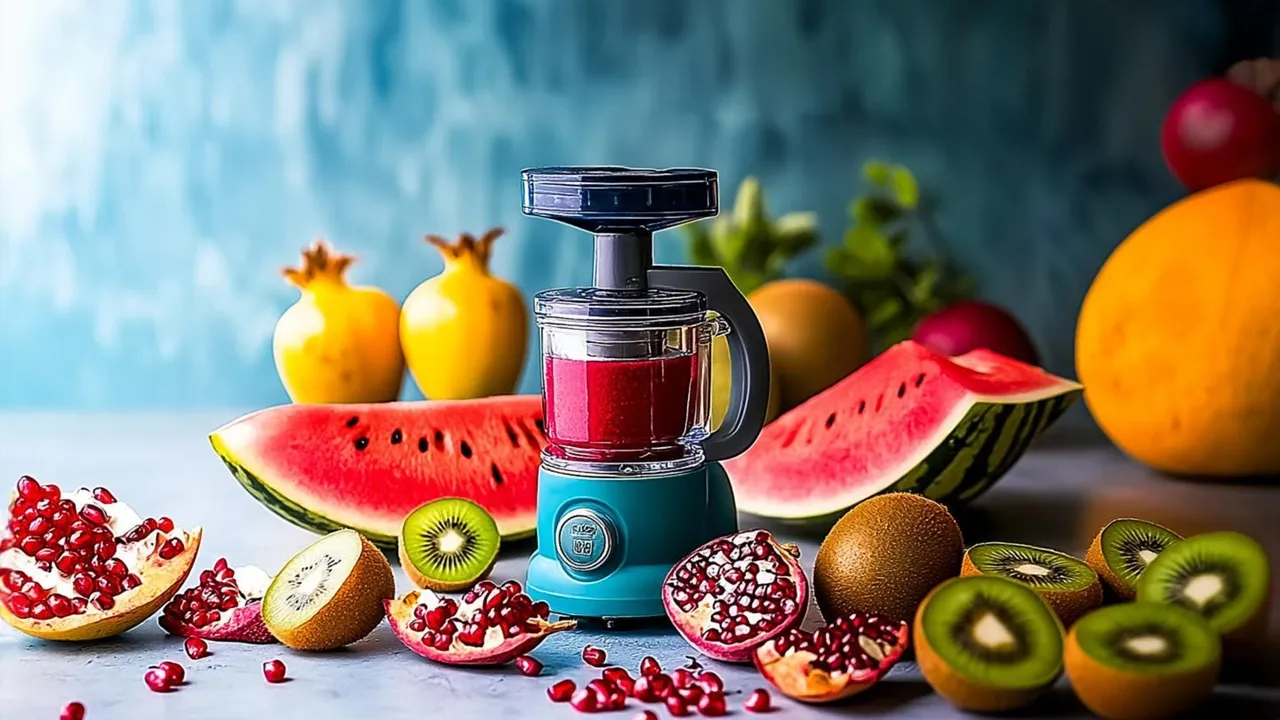
Antioxidants protect our cells from damage caused by free radicals, which accelerate aging. Drinks rich in these compounds are an easy way to boost your defences. Green tea is a well-researched option, packed with catechins like EGCG that help protect against UV damage and reduce inflammation. Pomegranate juice is another powerhouse, containing unique antioxidants that may help maintain skin elasticity. Even a simple carrot and beetroot juice blend provides beta-carotene and other compounds that support healthy cell turnover.
Probiotics and the Gut-Skin Axis
The idea that gut health impacts skin health—known as the gut-skin axis—is gaining significant scientific traction. An imbalance in your gut microbiome can contribute to inflammation, which may show up as acne, eczema, or redness. Probiotic drinks like kefir, kombucha, or yogurt-based beverages introduce beneficial bacteria to help restore balance. Research suggests certain probiotic strains can improve skin hydration, elasticity, and even reduce acne severity by managing inflammation from within.
The Power of Green Juice
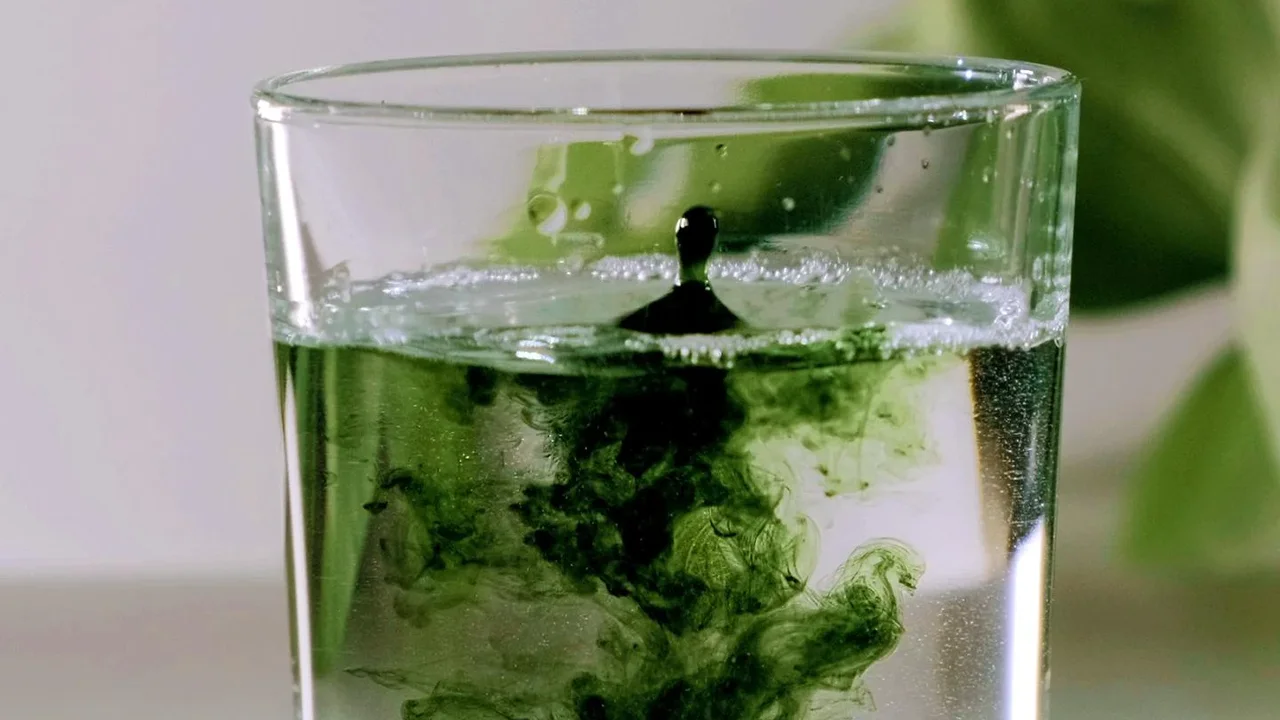
While not a magic bullet, a well-formulated green juice can deliver a concentrated dose of skin-supporting nutrients. Ingredients like spinach, cucumber, and celery provide vitamins and minerals essential for skin health. Cucumber, for instance, is a source of silica, a trace mineral that plays a role in collagen synthesis and skin strength. Adding lemon provides a boost of Vitamin C, which is crucial for collagen production and acts as a powerful antioxidant itself.
Mineral-Rich Plant Milks
The dairy-free milk aisle offers some surprising skin benefits. Oat milk, for example, is naturally anti-inflammatory and contains zinc, which can help manage breakouts by addressing acne-causing bacteria. Many plant-based milks are also fortified with essential vitamins and minerals that contribute to overall skin health. When choosing, opt for unsweetened versions to avoid the inflammatory effects of excess sugar, and check the label for added nutrients like Vitamin E and calcium.
Next-Generation Water
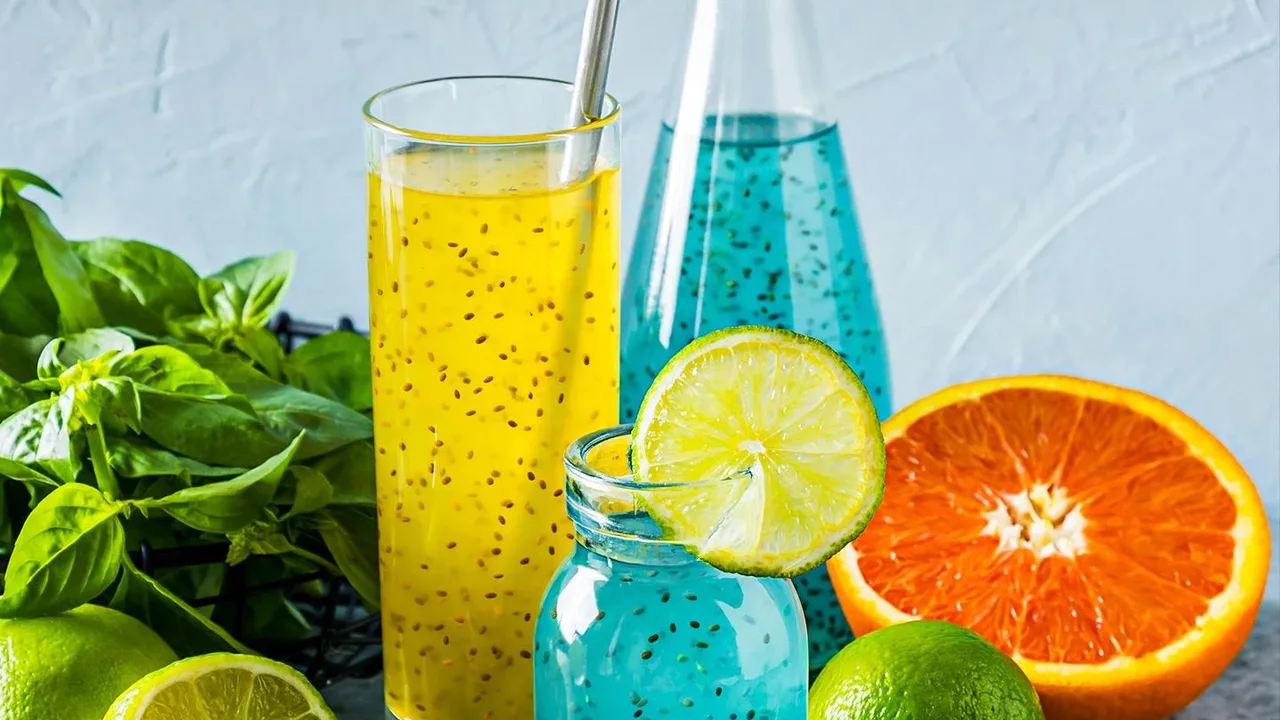
Hydration is fundamental for plump, healthy skin, and brands are elevating simple water with added benefits. Coconut water is a natural source of electrolytes like potassium and magnesium, which are crucial for maintaining cellular fluid balance. Some studies suggest its components may have anti-aging properties. Another example is infusing water with hibiscus tea, which contains natural acids and antioxidants that may inhibit the breakdown of collagen and elastin in the skin. This approach focuses on making every sip count toward your skin goals.