




Defining ‘The Feature’ in Your Home
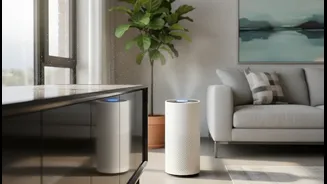
While many decorative items need careful placement, this advice is most critical for functional appliances like air purifiers and dehumidifiers. These devices work by processing large volumes of air to filter out pollutants or remove excess moisture.
Their performance is directly tied to how well air can circulate around them. Placing them incorrectly can drastically reduce their effectiveness, waste energy, and even create safety hazards. So before you tuck that new air purifier behind the sofa, it's worth understanding the simple rules that ensure it can do its job properly.
Why Electronics and Appliances Don’t Mix
Keeping your new feature away from other electronics is a matter of both safety and accuracy. Many appliances, from TVs to kitchen gadgets, generate heat during operation. Placing a dehumidifier or air purifier too close can cause its internal sensors to get a false reading, making it work harder than necessary or shut off prematurely. For a dehumidifier, the risk is doubled; the moisture it collects can be a serious hazard to any nearby electrical devices. Furthermore, some high-power appliances can cause voltage drops or electrical interference on a shared circuit, potentially stressing the delicate internal components of your purifier or dehumidifier over time. A safe distance protects all your devices.
The Problem with Fabrics and Furniture
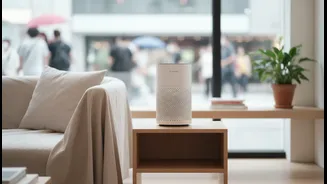
Curtains, sofas, and even large upholstered chairs can act like a wall to an air-processing appliance. For an air purifier or dehumidifier to work, it needs unobstructed access to the room's air. Placing it right next to or behind furniture can block its intake vents, forcing the motor to work harder for less result. Some tests show that moving a unit just a few inches from a wall or obstruction can increase its airflow by over 90 percent. Soft materials like curtains and rugs can also absorb moisture, which can lead to mildew if a dehumidifier is too close, or trap the very dust and dander an air purifier is trying to capture. To ensure maximum efficiency, give your appliance at least 6 to 12 inches of clear space on all sides.
Keeping Busy Walkways Clear
Positioning any object in a high-traffic area is a recipe for a trip and fall accident. Cords running across a path are a common household hazard that should always be avoided. But beyond the immediate safety risk, placing an appliance in a busy walkway is also bad for its performance. Constant foot traffic disrupts the steady, consistent airflow the unit needs to effectively cycle the air in a room. The goal is to treat the air in an entire space, not just the turbulent air in a corridor. By placing the unit out of the main path of foot traffic, you not only make your home safer but also create a more stable environment for the appliance to work in.
Finding the Optimal Placement
So, where should the feature go? The ideal spot is typically in a central location within the room where you need it most, like a bedroom or living area. This allows the device to draw in air from all directions and distribute it evenly. If you're targeting a specific problem, like mustiness in a basement or allergens from a pet's favorite spot, place the unit near that source. For many air purifiers, elevating them to a table height of 2 to 5 feet can be more effective at capturing airborne particles in the "breathing zone." Heavier particles like dust and pet dander tend to settle, making floor placement effective for those concerns. The key is ensuring at least a foot of open space around the unit and keeping doors and windows closed to create a contained environment.