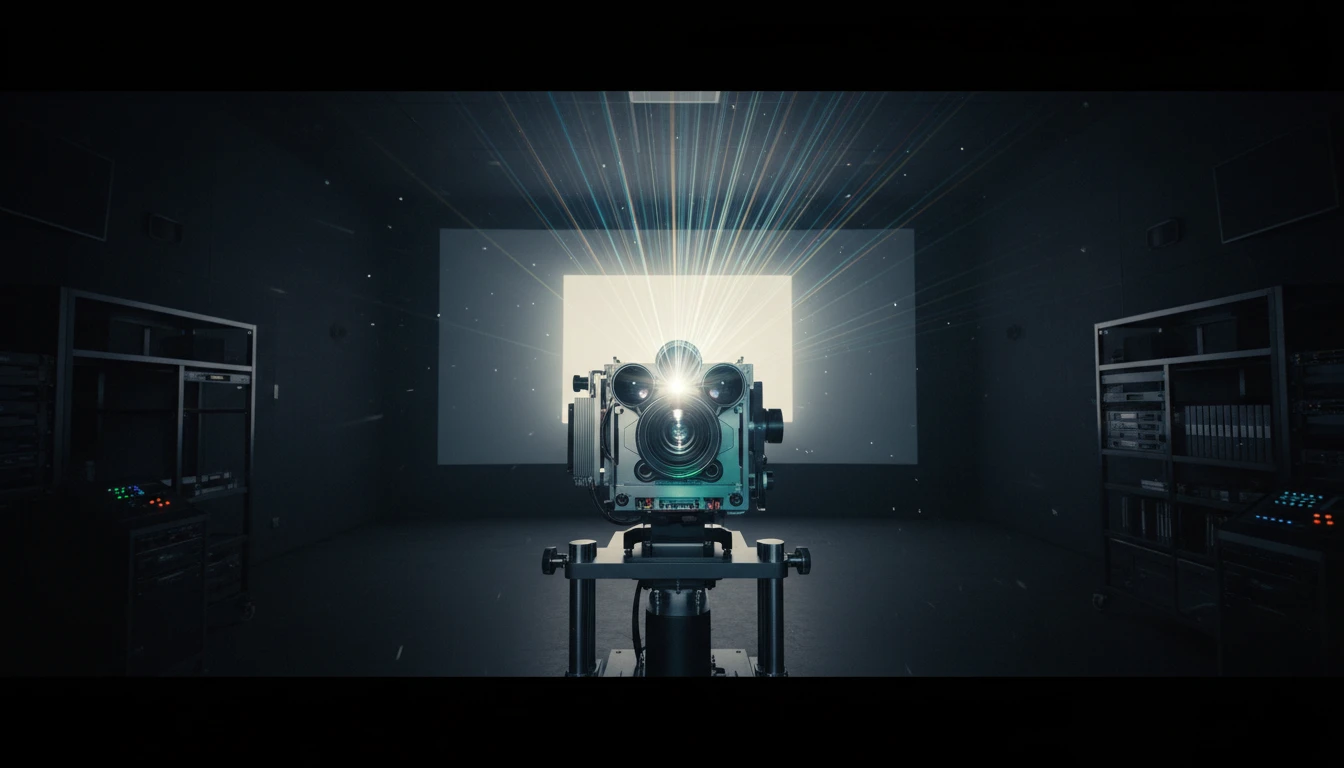









The Ultimate Projection: Beyond IMAX
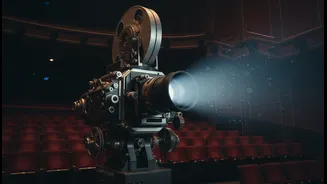
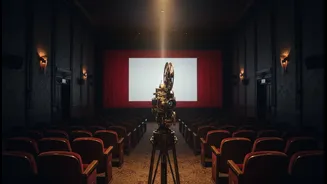
The phrase in the headline, 'Ultimate Cinematic Projection Style,' refers to the gold standard of motion picture presentation: IMAX 70mm film. This isn't your standard digital IMAX; it's a colossal analog format that director Christopher Nolan has championed
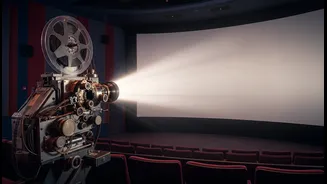
for years. The film strip itself is enormous, running horizontally through a massive projector to display an image with a squarer 1.43:1 aspect ratio. This fills the entirety of a true IMAX screen, from floor to ceiling, creating a level of immersion that's been described as 'virtual reality without the goggles'. The resolution is estimated to be the equivalent of 16K or even 18K, capturing breathtaking detail and clarity that digital formats struggle to replicate. For 'The Odyssey,' Nolan shot the entire movie this way, a feat never before accomplished for a feature film.
Nolan's Pursuit of Analog Perfection
For Christopher Nolan, film isn't just a medium; it's a mission. He is a vocal advocate for celluloid film in an overwhelmingly digital age, believing it most closely mimics how the human eye perceives the world. This commitment comes with immense challenges. The IMAX 70mm cameras are notoriously heavy and loud, and a single reel of film lasts only a few minutes before needing to be reloaded. The prints for a film like 'The Odyssey' can be over 18 kilometers long and weigh hundreds of kilograms. So why bother? For Nolan, the payoff is an unparalleled visual and emotional experience. He believes the texture, warmth, and sheer scale of the 70mm film image connect the audience to the story in a more profound, visceral way.
The Global Hunt for the Perfect Screen
The number 41 represents the handful of theaters worldwide that have maintained their IMAX 15/70mm film projectors. In the early 2010s, most cinemas switched to cheaper and easier-to-manage digital projection systems. True film projection is now a specialized, almost lost art. It requires highly skilled projectionists to manage the gigantic film platters and complex machinery. Many of these remaining venues are science museums or specialty theaters that kept their equipment for documentaries or special events. The release of a film like 'The Odyssey' sparks a global scramble, with theaters sometimes flying in expert projectionists just to handle the run. This scarcity makes seeing the film in its intended format an exclusive event, with tickets often selling out months in advance.
The Big Question: Can You See It in India?
Unfortunately for Indian cinephiles, the answer is no. Currently, there are no commercial theaters in India equipped to project IMAX 70mm film. India once had a few such screens, most famously at Prasad's in Hyderabad, which was for a time the world's largest IMAX screen. However, due to high operating costs and the industry's shift to digital, these venues have either closed or converted their projectors. There is a 70mm IMAX projector at the Gujarat Science City in Ahmedabad, but it is used for educational documentaries, not commercial films. While 'The Odyssey' will be released in IMAX theaters across India, audiences will see a digital version, most likely IMAX with Laser, which is still a premium experience but not the analog presentation Nolan created.
Is This the Future or a Glorious Fad?
Nolan's dedication has undoubtedly fueled a '70mm renaissance,' alongside other directors like Quentin Tarantino and Paul Thomas Anderson. However, the logistical and financial barriers are immense. Is it a sustainable future for cinema, or a niche passion project for a few powerful auteurs? The reality is likely a mix of both. While the majority of moviegoing will remain digital, these large-format film releases have proven to be massive cultural events. They transform a trip to the movies from a casual outing into a destination experience. They remind audiences of the unique power of the big screen and the artistry of filmmaking, ensuring that even if only in 41 venues, the magic of analog film continues to flicker in the dark.