




The End of Endless Choice
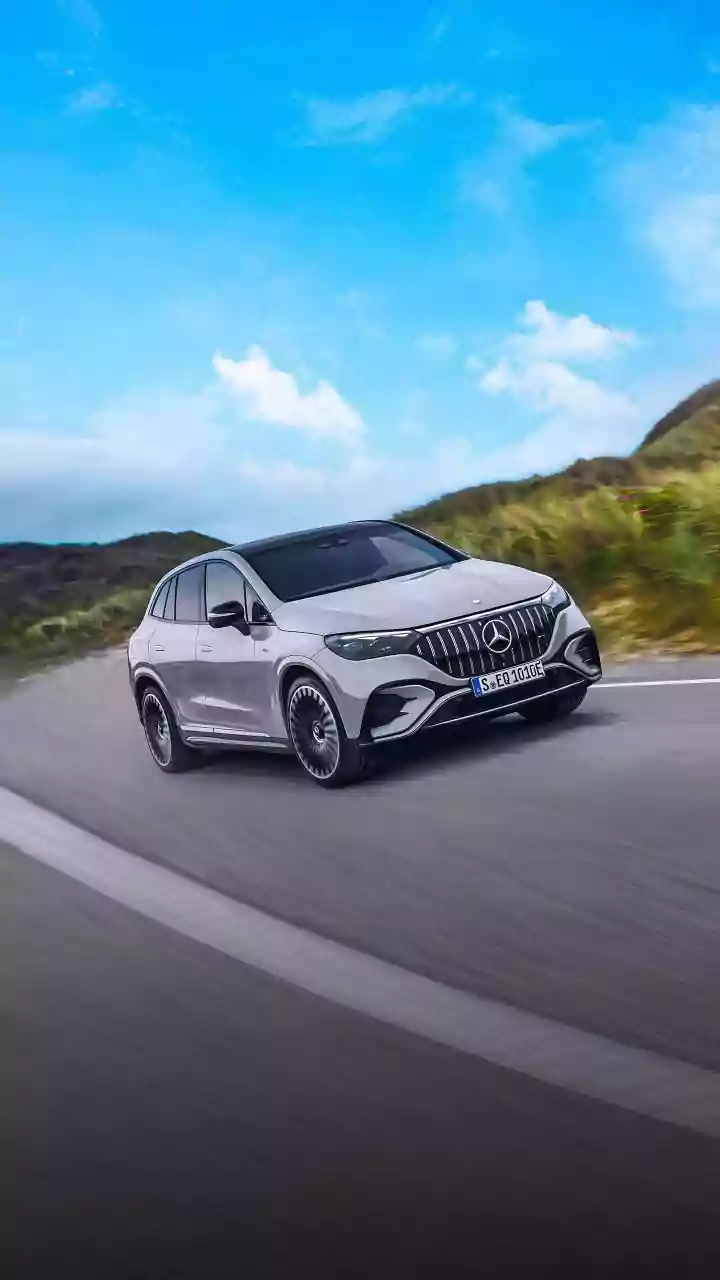
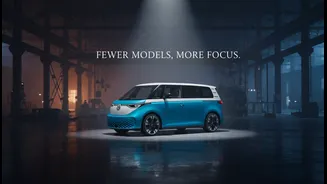
In a dramatic strategic pivot, the Volkswagen Group has confirmed it will slash its global model portfolio by as much as 50% by 2030. This move is part of a comprehensive package of measures designed to make the company more resilient and profitable in
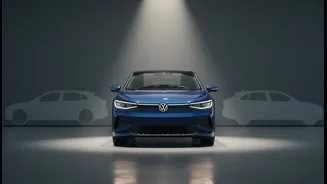
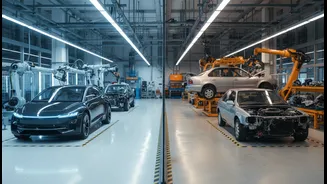
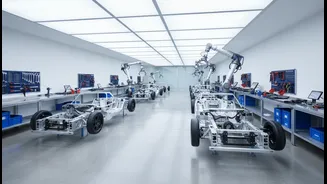
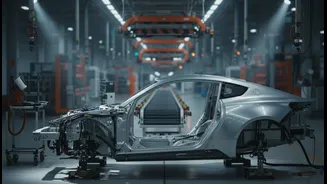
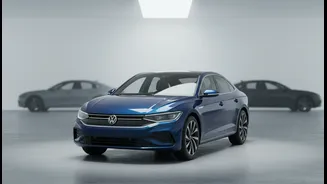
a fiercely competitive market. The plan isn't just about axing entire vehicles; it's also about ruthlessly simplifying what's left. The number of available equipment options and powertrain variants could be reduced by up to 75%. This means fewer niche models and less customisation. The goal is to focus investment and development on core, high-volume products in the most attractive market segments, fundamentally realigning a business model that has become, in the words of its own executives, "too complex, slow, and inflexible."
A Battle on Two Fronts
This drastic measure is a direct response to a perfect storm of competitive pressure. On one side are EV-native companies like Tesla, which built their empires on a handful of highly profitable models, demonstrating the power of a lean lineup. On the other are fast-moving Chinese automakers such as BYD, which have mastered cost-efficient production and rapid development cycles. These new competitors are not just winning in their home market of China, where VW's profits have slumped, but are increasingly making inroads in Europe. For legacy automakers, the old model of offering vast choice has become a crippling disadvantage, leading to bloated R&D budgets, complex manufacturing, and parallel engineering efforts across different brands that duplicate costs.
Why Complexity Kills Profit
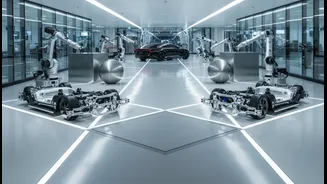
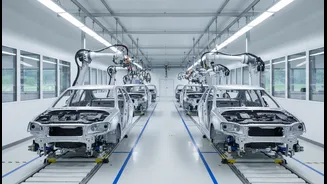
For a legacy giant like Volkswagen, which oversees brands from Skoda to Audi to Porsche, complexity has become the enemy of profit. Maintaining a portfolio of roughly 150 different model lines requires immense, ongoing investment in design, engineering, testing, and marketing for vehicles that may only sell in small numbers. Furthermore, its factory costs in Germany are significantly higher than competitors. In contrast, challengers like BYD leverage deep vertical integration—making their own batteries and chips—to control costs and accelerate production. By radically simplifying its lineup, VW aims to eliminate these structural inefficiencies, free up capital for its crucial and expensive transition to electric vehicles, and boost its operating margin.
Are Other Giants Feeling the Squeeze?
Volkswagen is not alone in its predicament. Other legacy automakers are facing the same pressures and have recorded multi-billion-dollar write-offs related to their EV strategies. Stellantis, the parent company of brands like Jeep, Peugeot, and Fiat, has also announced a global cost-cutting program to improve competitiveness. While its plan still involves launching dozens of new models, it is heavily focused on streamlining platforms and powertrains to improve efficiency and reduce development times. Ford and GM have also been forced to adjust their ambitious EV plans, delaying investments and focusing on more profitable segments and popular hybrid options. While VW's 50% cut is the most aggressive move announced to date, the underlying logic—simplify to survive—is becoming a common theme across the industry.
A Smaller Showroom for a Healthier Company?
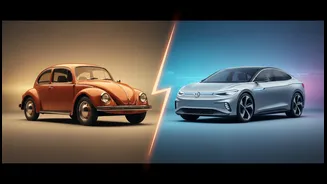
The gamble for Volkswagen and its peers is that a smaller, more focused product range will lead to a healthier, more profitable company. The upside is clear: lower costs, faster development, and the ability to compete more effectively on price and technology with leaner rivals. However, the risks are also significant. Axing beloved niche models could alienate loyal customers and cede small but profitable market segments to competitors. It represents a fundamental shift in identity for brands that once prided themselves on offering unparalleled choice. For consumers, this means the era of endless variety at traditional dealerships is likely drawing to a close, to be replaced by a more curated and simplified selection of vehicles designed for mass appeal and profitability.