






More Than Just a Delicious Dish
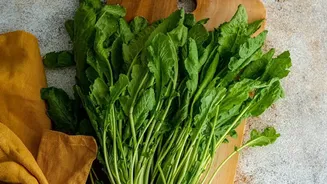
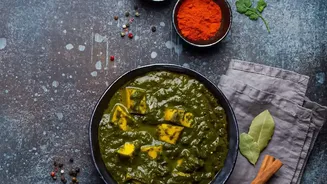
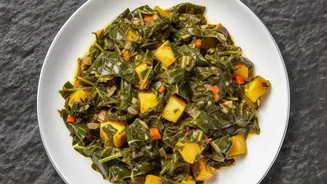
Saag is a traditional preparation popular across the Indian subcontinent, especially in Punjab. While recipes vary, the base is always a blend of seasonal leafy greens. The most common combination includes mustard greens, spinach, and sometimes other
greens like bathua (chenopodium) or fenugreek (methi). These leaves are slow-cooked with spices to create a thick, flavourful, and deeply satisfying dish. What makes saag truly special is that this cooking process melds the unique nutritional profiles of several greens into one meal, creating a dish that is dense in essential nutrients.
The Vitamin A Vision Booster
Leafy greens are one of the best dietary sources of Vitamin A, which is crucial for good health. Specifically, they are rich in beta-carotene, a compound that our body converts into Vitamin A. This essential vitamin plays a vital role in maintaining healthy vision, especially in low light. It also supports a strong immune system, helping your body fight off infections by promoting the growth of T-cells, a type of white blood cell that defends the body. Furthermore, Vitamin A contributes to healthy skin, making saag a dish that nourishes you from the inside out.
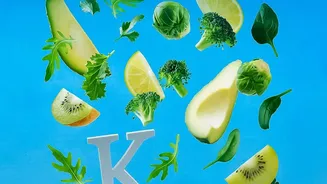
Vitamin K for Bone Health and More
One of the most abundant, yet often overlooked, vitamins in saag is Vitamin K. Dark leafy greens like spinach and mustard greens are exceptional sources of this nutrient. Vitamin K is essential for blood clotting, a critical process for healing wounds. Its other primary role is in supporting bone health; it works alongside calcium to build and maintain strong bones, which may help reduce the risk of fractures and osteoporosis. A single serving of cooked greens can often provide more than your entire daily requirement of Vitamin K.
Immunity and Iron with Vitamin C
Saag is also a good source of Vitamin C, a powerful antioxidant that supports the immune system. This vitamin helps protect your cells from damage caused by free radicals and is vital for skin health. An interesting benefit of Vitamin C is its ability to enhance the absorption of iron from plant-based sources. Greens like spinach and fenugreek contain iron, which is necessary for transporting oxygen in the blood and preventing fatigue. The presence of Vitamin C in saag helps your body make the most of this plant-based iron.
B Vitamins for Energy and Growth
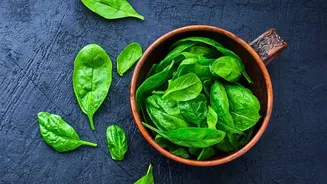
Dark leafy greens are also a valuable source of B vitamins, particularly folate (Vitamin B9). Folate is crucial for cell growth and DNA repair. It is especially important for pregnant women as it helps in the healthy development of the fetus. Folate also contributes to heart health. While spinach is a standout source of folate, other greens in saag contribute to the overall B-vitamin content, which helps your body convert food into energy efficiently.
How to Maximise Nutrients
How you cook saag can impact its nutritional value. Some vitamins, particularly water-soluble ones like Vitamin C and B vitamins, can be lost during cooking, especially if boiled for a long time. To get the most out of your saag, it is best to cook the greens for shorter periods and with minimal water. Steaming the greens instead of boiling can help retain more nutrients. If you do boil them, using the nutrient-rich cooking water in the final dish is a great way to ensure you're not pouring vitamins down the drain. Slow cooking on low heat can also help preserve the delicate nutrients while developing deep flavour.