



The Great Debate: Raw vs. Cooked
It might seem logical that raw vegetables are the undisputed champions of nutrition, and in some cases, that's true. Water-soluble and heat-sensitive nutrients like vitamin C are at their peak in raw produce. However, cooking is not always the enemy.
The cooking process breaks down tough plant cell walls, which can make certain nutrients more bioavailable, meaning your body can absorb them more easily. For example, the antioxidant lycopene in tomatoes and the beta-carotene in carrots become more accessible after being heated. Cooking can also improve digestion by softening fiber. Ultimately, a mix of both raw and cooked vegetables in your diet is the ideal approach to get the full spectrum of benefits.
Boiling: The Convenience Trap
Boiling is a fast and simple way to cook vegetables, but it often comes at a significant nutritional cost. Many vital nutrients, particularly water-soluble B vitamins and vitamin C, leach out of the vegetables and into the cooking water. If you discard that water, you're pouring valuable vitamins down the drain. Studies show boiling can lead to substantial losses of nutrients like folate. While it's one of the most detrimental methods, not all is lost; even boiled green vegetables can retain over half of their vitamin C. If you must boil, using minimal water and cooking for the shortest time possible can help. Alternatively, saving the nutrient-rich water for soups or sauces is a clever way to recapture those lost vitamins.
Steaming and Microwaving: The Nutrient Savers
Steaming is widely regarded as one of the best methods for preserving nutrients. Because the vegetables aren't submerged in water, fewer water-soluble vitamins escape. This gentle cooking method helps retain the vegetable's color, texture, and a high percentage of its nutrients. Similarly, microwaving has been shown to be surprisingly effective at preserving nutrients. Its speed means vegetables are exposed to heat for a shorter duration, and it requires very little water, minimizing nutrient loss. One study found that microwaving retained over 90% of the vitamin C in several vegetables. For both methods, the key is to avoid overcooking; aim for a tender-crisp texture.
Roasting and Sautéing: Flavor and Fat-Soluble Vitamins
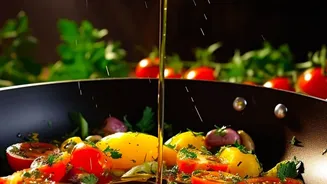
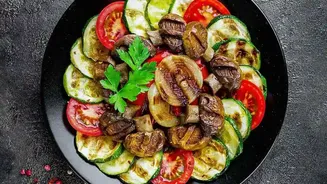
Roasting and sautéing bring out incredible depth of flavor through caramelization, which can make vegetables more enjoyable to eat. While high heat can degrade some sensitive nutrients like vitamin C, these methods are excellent for others. Cooking with a healthy fat like olive oil does more than just prevent sticking; it can actually increase the absorption of fat-soluble vitamins, such as vitamins A, E, and K, which are abundant in many vegetables. A quick stir-fry or sauté uses a short cooking time, which helps limit overall nutrient degradation. Roasting can also be a good method for retaining B vitamins. The trick is to find a balance between achieving a delicious result and not over-exposing the vegetables to excessively high temperatures for too long.
Preparation and Portion Size Still Rule
Beyond the cooking method, simple preparation choices have an impact. Many nutrients are concentrated in or just below the skin, so avoiding peeling when possible—like with potatoes or cucumbers—can boost your intake. The longer vegetables are exposed to heat and water, the more nutrients are lost, so cooking them whole or in large pieces can offer protection. And of course, portion size is fundamental. Studies have shown that simply increasing the portion of vegetables on a plate can lead to adults and children eating significantly more of them, often without increasing overall calorie intake. One study found that doubling the portion of corn and broccoli for children resulted in them eating 68% more vegetables.