








The Purchase That Became a Problem
For Dr. Premraj Debta, a resident of Raipur, the purchase of a new Maruti Suzuki Grand Vitara Strong Hybrid in June 2024 should have been a moment of pride. However, the excitement was short-lived. Within months, the vehicle began to exhibit serious technical
problems, repeatedly stalling and breaking down unexpectedly. The SUV, which was manufactured in January 2023, was taken to authorized service centers multiple times. Technicians diagnosed the issue as fuel contamination, cleaned the fuel tank, and returned the vehicle. Despite these efforts, the problem persisted, turning the owner's dream purchase into a recurring nightmare.
A Dispute Over Fuel and Responsibility
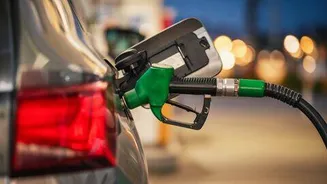
The core of the dispute revolved around E20 petrol, a blend of 20% ethanol and 80% petrol that has been rolled out across India. Dr. Debta alleged that his vehicle was not compatible with this fuel, leading to the repeated failures. He even had a fuel sample tested at a government-recognized lab, which reportedly found a white, curd-like substance identified as ethanol. Maruti Suzuki contested these claims, arguing that the issue stemmed from adulterated or poor-quality fuel, not a manufacturing defect or incompatibility with E20. The company and its dealer refused to replace the vehicle, prompting Dr. Debta to seek justice from the District Consumer Disputes Redressal Commission in Raipur.
The Court's Landmark Verdict
In a ruling described as the first of its kind linked to E20 fuel, the consumer court sided with the owner. On July 14, 2026, the commission found Maruti Suzuki and its dealer liable for deficiency in service and unfair trade practices. The court determined that the company had a duty to disclose if the vehicle, manufactured before E20 became the norm, was not fully compatible. It ordered the automaker to provide Dr. Debta with a brand new, E20-compatible Grand Vitara of the same model within 45 days.
Explaining the ₹20.5 Lakh Figure
The headline-making figure of ₹20,50,494 is the alternative penalty. The court order explicitly states that if Maruti Suzuki fails to replace the defective car within the 45-day window, it must issue a full refund to the customer. This amount is a precise calculation covering the vehicle's sale price of ₹18.29 lakh, RTO charges of ₹1,86,850, and the insurance premium of ₹34,644. In addition to this conditional refund, the court also awarded a separate, unconditional compensation of ₹1 lakh for the mental harassment caused and ₹10,000 to cover litigation costs, both payable within the same 45-day period.
What This Ruling Means for Indian Consumers
This case is being hailed as a major victory for consumer rights in India. Legal experts believe it could empower more vehicle owners who face similar issues to seek compensation, potentially creating a significant challenge for automakers. The court noted that with E20 becoming the commonly available fuel, consumers have little choice but to use it, and therefore should not bear the consequences of compatibility issues. The ruling places the responsibility on manufacturers to ensure their products are fit for the available fuel infrastructure and to be transparent with customers about any limitations. While Maruti Suzuki has stated its intention to appeal the decision in a higher forum, this initial verdict strengthens the position of consumers against large corporations.