


The Science of the Puff
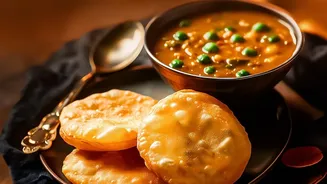
The magic of a poori puffing up is pure food science. When the rolled dough hits hot oil, the moisture trapped within the dough rapidly turns into steam. The outer layer of the poori cooks almost instantly, creating a seal. This seal traps the expanding
steam, which has nowhere to go but up, forcing the layers of dough apart and inflating the poori like a balloon. Success depends entirely on the oil being hot enough to create this steam explosion before the dough can absorb too much oil and become heavy.
Why One Poori Is Better Than Many
The headline claim holds true due to simple physics. Maintaining the correct oil temperature is the most critical factor in successful frying. When you add food to hot oil, the oil's temperature naturally drops. Adding multiple pooris at once causes a significant and rapid temperature drop. If the temperature falls too low, the steam-creation process is slowed, and the dough begins to soak up oil instead of instantly sealing and puffing. This results in flat, oily, and heavy pooris. By frying just one poori at a time, you minimize the temperature fluctuation, allowing the oil to recover its heat quickly and ensuring each poori gets the optimal conditions to puff perfectly.
Finding the 'Goldilocks' Temperature
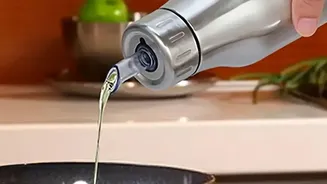
So, what is the right temperature? The ideal range for frying pooris is between 175°C and 190°C (350°F and 375°F). If the oil is too cool, the pooris will be greasy and flat; if it's too hot, they will burn on the outside before cooking through. You don’t need a thermometer to get it right. A simple, traditional test works perfectly: drop a tiny piece of dough into the kadhai. If it sizzles and rises to the surface immediately, the oil is ready. If it sinks and stays at the bottom, the oil is too cold. If it turns dark brown in a second, the oil is too hot and you should lower the flame for a moment to let it cool slightly.
The Foundation: A Perfect Dough
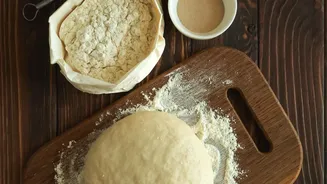
While temperature is key, it can't save a flawed dough. The ideal poori dough should be firm and stiff—noticeably tighter than a dough for roti or chapati. A soft dough contains too much moisture and will absorb excess oil, making the pooris greasy. Adding a tablespoon of sooji (semolina) to the atta can help create a crispier poori that holds its puff for longer. After kneading, let the dough rest for about 15-20 minutes, covered with a damp cloth. This allows the gluten to relax, making the dough easier to roll without becoming tough.
Technique Matters: Rolling and Frying
How you roll and fry is the final piece of the puzzle. When rolling the pooris, avoid using dry flour (atta) for dusting. The loose flour will burn in the hot oil, creating dark specks and a bitter taste. Instead, lightly grease each ball of dough with a drop of oil to prevent sticking. Roll the pooris evenly, ensuring they aren't too thin (which will make them crispy like papad) or too thick (which will prevent them from puffing). When you slide the poori into the oil, gently press it down with a slotted spoon as it starts to rise. This gentle pressure encourages it to puff up evenly. Fry until golden, flip once, and then remove to a wire rack or a plate lined with paper towels to drain excess oil.