

The Rise of Drinkable Skincare
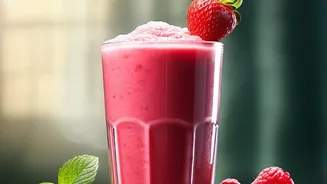
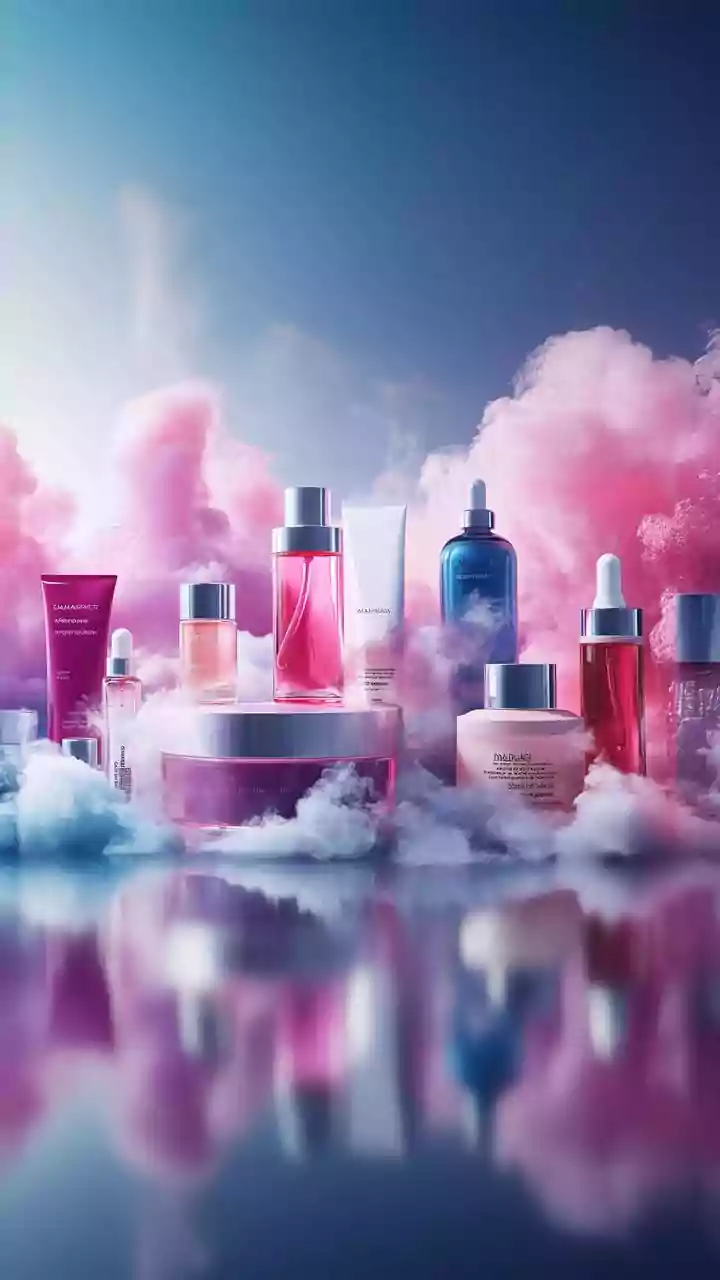
Walk down any wellness aisle and you'll find them: sleek bottles, colourful powders, and convenient shots all promising to enhance your skin from within. This 'beauty-from-within' trend has exploded, fueled by social media and a growing interest in holistic
health. Brands are formulating drinks to address specific concerns, from hydration and elasticity to reducing fine lines. The core idea is that nourishing the skin on a cellular level provides more significant and lasting benefits than topical creams alone, which primarily treat the skin's surface. These products offer a simple, often tasty, way to feel proactive about your skincare routine, turning a daily habit into a ritual of self-care.
Decoding the Popular Ingredients
Three ingredients form the holy trinity of most beauty beverages: collagen, hyaluronic acid, and antioxidants. Collagen is the protein that provides structure and firmness to our skin, but production naturally declines with age. Most drinks use hydrolyzed collagen peptides—smaller, more easily absorbed fragments—with the goal of replenishing this supply. Hyaluronic acid (HA) is a moisture-binding molecule that helps keep skin plump and hydrated. When taken orally, the aim is to boost the skin's overall hydration levels. Finally, antioxidants like vitamins C and E, and compounds from green tea or berries, are included to fight oxidative stress from free radicals, which can accelerate aging.
What the Science Actually Says
This is where the promise meets reality. The evidence for beauty beverages is mixed and evolving. Some studies on collagen peptides have shown improvements in skin elasticity, hydration, and a reduction in wrinkles. However, many of these studies are small or funded by the manufacturers themselves. A key question remains: does the collagen you drink actually end up in your skin? The digestive system breaks it down into amino acids, and the body can't be directed to use those building blocks specifically for skin repair over, say, muscle or cartilage. Similarly, while oral hyaluronic acid shows some promise for skin moisture, the results aren't always dramatic. A 2024 study noted that while supplements with collagen and vitamin C improved skin density and texture, they didn't have a significant impact on hydration or elasticity.
The Power of Perception
Even with inconclusive science, many users swear by these drinks. Why? The placebo effect can be powerful; if you believe a product is working, you may perceive positive changes. Furthermore, the act of consuming a 'beauty drink' often coincides with other healthy habits. Someone investing in these products may also be drinking more water, eating better, or being more consistent with their topical skincare routine. It’s part of a holistic wellness mindset where the ritual itself provides a psychological boost. There is no harm in this, but it is important to distinguish between a general sense of well-being and proven clinical efficacy.
The Real Keys to Radiant Skin
Experts agree that no beverage can replace the fundamentals of skin health. The most effective way to care for your skin is through a proven, multi-faceted approach. This includes a balanced diet rich in natural antioxidants from fruits and vegetables, staying consistently hydrated with water, and getting adequate sleep. The single most important factor for preventing premature aging is diligent sun protection. Using a broad-spectrum sunscreen daily is more impactful than any drink you can consume. A consistent topical skincare routine with ingredients like retinoids and vitamin C serum also has far more robust scientific backing for improving skin health.