





The City as a Canvas
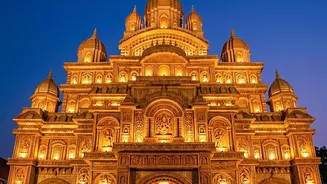
The most immediate change during Durga Puja is visual. The city is draped in millions of lights, transforming familiar streets into glowing corridors. But the true centrepieces are the pandals—temporary architectural marvels built to house the idol of Goddess
Durga. These are not mere tents; they are elaborate, thematic installations crafted by artists over months. Neighbourhoods engage in friendly competition, resulting in structures that might replicate ancient temples, futuristic concepts, or comment on social issues. For visitors, the experience of 'pandal hopping' is like walking through a sprawling, immersive art exhibition where the entire city is the gallery. This transformation is so significant that UNESCO recognized Kolkata's Durga Puja as an Intangible Cultural Heritage of Humanity in 2021.
The Sound of Unstoppable Joy
A visitor's ears will notice the change almost as quickly as their eyes. The ambient city noise is replaced by a new soundtrack. The most iconic sound is the rhythmic beat of the dhak, a traditional drum played to energise the festivities and invoke the goddess. This sound echoes from every neighbourhood, creating a constant, unifying pulse across Kolkata. Layered over this are devotional chants, lively music blasting from pandals, and the ever-present, joyful hum of millions of people moving through the streets. During these five days, from Shashthi to Dashami, Kolkata does not sleep; it celebrates around the clock with a kinetic, infectious energy.
A Culinary Marathon
Durga Puja is as much a feast for the stomach as it is for the eyes and ears. The city's already legendary food scene goes into overdrive. Streetside stalls multiply, offering everything from Kolkata-style biryani and kathi rolls to an endless variety of deep-fried chops and cutlets served with sharp mustard sauce. Beyond the street food, community kitchens at the pandals serve 'bhog'—a sacred offering of khichuri, mixed vegetables, and sweets that is shared with all visitors. Restaurants roll out special Puja menus, and sweet shops are filled with festive delicacies like Sandesh and Mishti Doi. For a visitor, every meal is an opportunity to dive deeper into Bengali culture.
A Shift in Time and Space
Navigating Kolkata during Puja is an experience in itself. The normal rules of traffic and time bend to the will of the festival. Roads become pedestrianised, and travel between North and South Kolkata can take much longer than usual as crowds swell, particularly in the evenings. The city's rhythm shifts from the 9-to-5 workday to an all-night celebration. While the crowds can be intense, they are part of the collective experience. People from all walks of life—families, friends, and strangers—share the streets in a communal celebration that dissolves social barriers. It's a time when the city feels both immense and intimately connected.
The River's Emotional Farewell
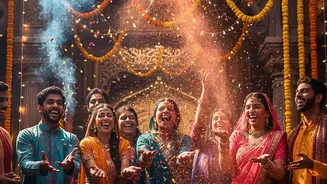
The festival culminates on Vijaya Dashami with the immersion, or 'Bisarjan', of the Durga idols in the river. This final act is a spectacle of immense emotional power. Grand processions carry the idols to the ghats of the Hooghly River, accompanied by music, dancing, and chants of 'Asche bochor abar hobe' (It will happen again next year). Women often engage in 'Sindoor Khela', smearing vermilion powder on each other as a mark of auspiciousness. For a visitor, witnessing the immersion is a powerful conclusion. The sight of thousands of elaborate idols returning to the water they came from as clay is a poignant blend of joyous farewell and the hopeful promise of return.