
A Global Celebration of Space
Declared by the United Nations in 1999, World Space Week is an international observance of how science and technology contribute to the betterment of the human condition. The dates were chosen for their historical significance: October 4 marks the launch
of the first artificial satellite, Sputnik 1, in 1957, while October 10 is the anniversary of the signing of the Outer Space Treaty in 1967. Every year, space agencies, companies, schools, and museums in over 95 nations hold events to educate the public and inspire the next generation. This year’s focus on rocketry captures a pivotal moment in our journey to space.
The Engine of a New Space Age
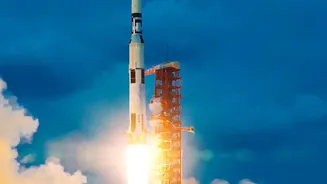
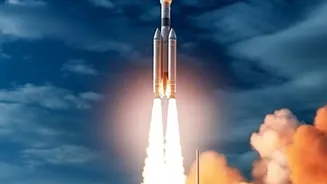
For decades, space was the exclusive domain of a few powerful governments with massive budgets. Rockets were monumentally expensive and, for the most part, single-use machines. The 'Rocket Revolution' theme highlights the seismic shift underway. Driven by commercial innovation, rockets are becoming reusable, reliable, and radically cheaper. This isn't just an incremental improvement; it's a fundamental change that's democratizing access to orbit. The cost to launch a kilogram into space has plummeted, from over $87,000 in the 1960s to projections of just a few hundred dollars by 2040. This dramatic cost reduction is the engine powering a new, more accessible space age.
Reusable, Faster, and More Powerful
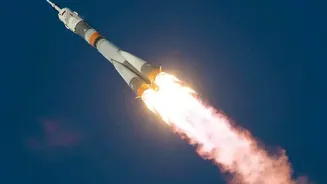
The most visible aspect of this revolution is reusability. Companies like SpaceX have pioneered rockets whose first stages can land themselves back on Earth to be refurbished and flown again, drastically cutting hardware costs. This has transformed the economics of launch. Beyond reusability, we're seeing the rise of new, powerful heavy-lift vehicles designed for missions to the Moon and Mars, alongside a growing market for smaller, dedicated launchers that give universities and startups a way to deploy small satellites without long waits for a rideshare. Innovations in manufacturing, like 3D printing, and the development of more eco-friendly fuels like methane are also making rocket production faster and more sustainable.
India's Ascent in the Rocket Revolution
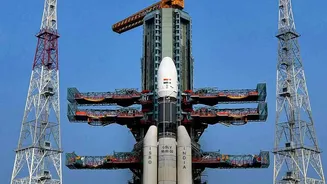
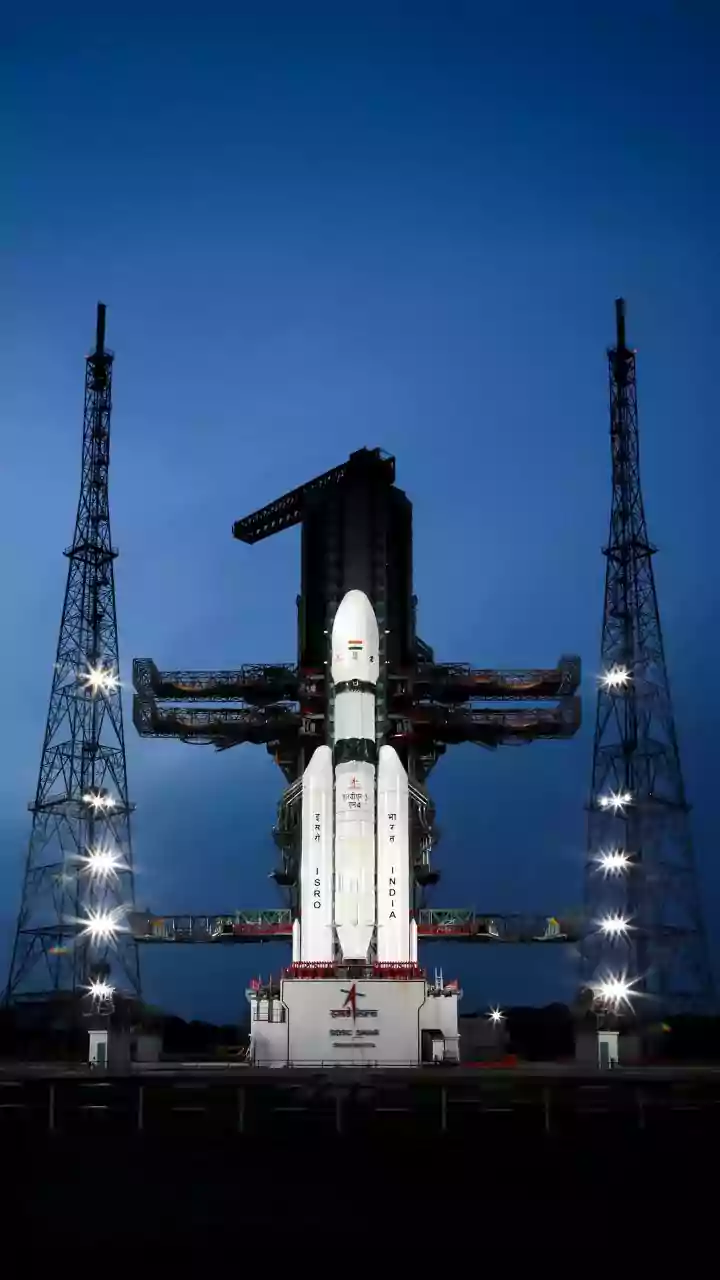
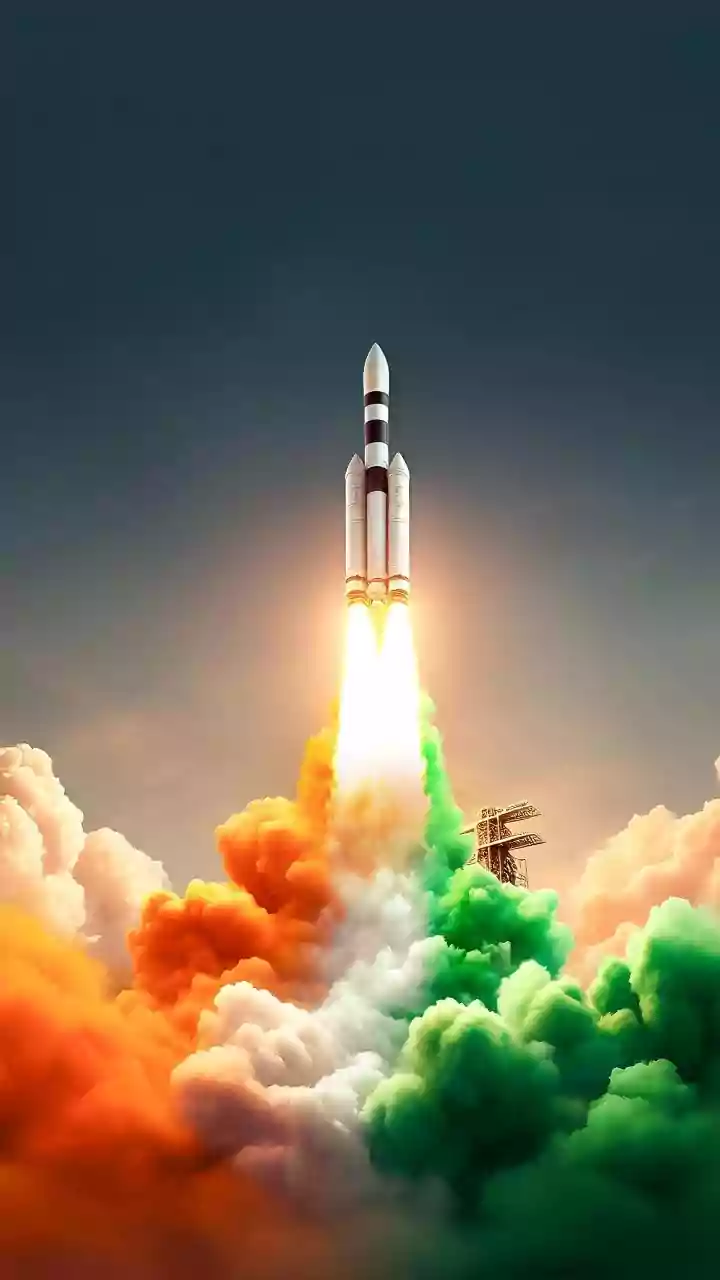
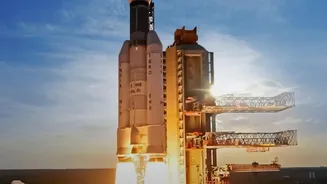
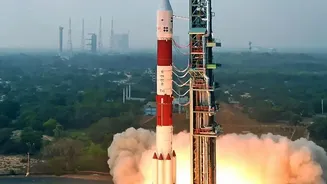
India is a key player in this global transformation. The Indian Space Research Organisation (ISRO) has a fleet of reliable launchers, including its workhorse PSLV and the powerful LVM3, which is human-rated for the upcoming Gaganyaan mission. Looking ahead, ISRO is developing its Next Generation Launch Vehicle (NGLV), a partially reusable rocket designed to carry heavier payloads at a lower cost and eventually replace its current systems. But the revolution in India isn't just happening at the government level. A dynamic private sector is emerging. Companies like Skyroot Aerospace, which in July 2026 became the first Indian private company to launch an orbital rocket, and AgniKul Cosmos, which is developing 3D-printed engines, are testament to the country's growing capabilities.
Why Cheaper Launches Matter for Everyone
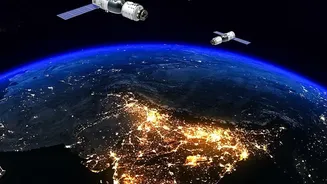
The rocket revolution's impact extends far beyond the launchpad. Cheaper, more frequent access to space enables the deployment of large satellite constellations that provide global internet coverage and detailed Earth observation. This helps in everything from disaster management and monitoring climate change to improving agricultural yields. It opens the door for new industries, from in-orbit manufacturing and data centres to space tourism. For nations and companies that were previously priced out of space, it offers a chance to participate in a global space economy projected to be worth over a trillion dollars by 2030. This increased activity makes space more accessible for scientists, entrepreneurs, and students, creating a virtuous cycle of innovation.