





The Science of Changing Tastes
At the heart of this shift is the biological mechanism of GLP-1 receptor agonists. These drugs mimic a natural gut hormone that signals fullness to the brain, but their effect goes deeper than simply suppressing appetite. Many users report a dramatic
reduction in "food noise"—the constant, intrusive thoughts about eating, snacking, and cravings that once dominated their days. This mental quiet is paired with physiological changes. The medications slow down how quickly the stomach empties, prolonging the feeling of fullness and often causing a distinct aversion to certain types of foods. Foods that are high in fat, excessively sweet, or heavily processed can become physically unappealing, sometimes triggering nausea. This isn't a matter of willpower; it's a conditioned response where the body begins to associate these foods with discomfort.
A Farewell to Familiar Cravings
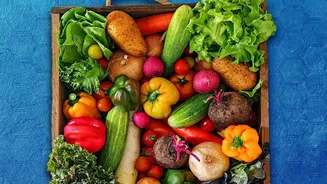
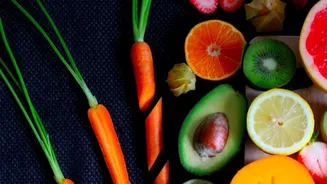
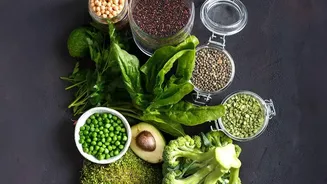
The result is a widespread change in palate. Studies and anecdotal reports show a consistent pattern: users are turning away from indulgent snacks, sugary drinks, alcohol, and even some meats like beef. One 2024 study found that 85% of GLP-1 consumers reported significant changes in their food preferences. The desire for foods consumed purely for enjoyment often diminishes, replaced by a preference for more functional nutrition. This has led to a notable shift in grocery shopping habits. Research has shown that households with a GLP-1 user reduce grocery spending by over 5% and spending at fast-food restaurants by about 8%. The shopping cart of 2026 for these consumers is less likely to contain chips, candy, and soda, and more likely to feature produce, lean proteins, yogurt, and sports drinks.
The Food Industry Adapts to a New Reality
This seismic shift in consumer behavior is sending shockwaves through the food and beverage industry, which could face revenue reductions of up to $55 billion by 2030. Companies that rely on snack foods, confections, and sugary beverages are facing the biggest challenge. In response, many are racing to adapt. This includes reformulating products to have less sugar and more protein, acquiring health-focused brands, and using "shrinkflation" to offer smaller package sizes. There is a growing demand for nutrient-dense foods that provide more nutritional value in smaller portions, catering to users who eat less but still need to maintain adequate nutrition. This has created opportunities for categories like deli-prepared foods, which offer better portion control, and produce.
The Social Side of a Smaller Appetite
The changes aren't just confined to the kitchen; they're altering social rituals. When food and alcohol are central to celebrations, business meetings, and family gatherings, a sudden loss of interest can be isolating. Users may find that having one or two drinks is more than enough, changing their participation in social drinking. The joy once found in a shared dessert or a favorite comfort food can fade, creating a psychological and social adjustment that goes beyond calorie counting. This new dynamic requires a recalibration of social norms, as a growing portion of the population navigates a world where food is more about fuel and less about pleasure. As these drugs become even more common, with oral versions making them more accessible, this cultural adjustment is only just beginning.