





The New Tourism Equation
For years, tourism success was measured by a simple metric: footfalls. But Phu Quoc is rewriting that playbook. In the first five months of 2026, the island welcomed over 4.76 million visitors, a significant number, but the real story is in the revenue.
During that same period, tourism generated approximately 26.9 trillion Vietnamese dong. This indicates a strategic pivot from a volume-based model to a value-based one. Earlier reports from the first two months of 2026 showed a similar trend, with revenue from tourism activities reaching 13.5 trillion VND, accounting for a staggering 85.7% of the entire province's tourism earnings. This focus on higher-spending visitors is transforming the island's economic landscape, proving that the quality of tourism can be more impactful than sheer quantity.
A Haven for High-End Hospitality
The engine behind this revenue boom is a deliberate and massive investment in luxury. Phu Quoc is now a hub for world-renowned hotel management brands like Marriott, Hilton, Accor, and Regent. The presence of ultra-luxury resorts such as the Regent Phu Quoc, JW Marriott Phu Quoc Emerald Bay, and InterContinental Phu Quoc Long Beach has elevated the island's profile. These establishments attract a different demographic of traveler—one that seeks premium experiences, from private villas and fine dining to exclusive spa treatments. This influx of investment from major corporations like Sun Group and Vingroup has created a comprehensive ecosystem of high-end accommodations and entertainment complexes designed to encourage longer stays and higher expenditure.
More Than Just Beaches
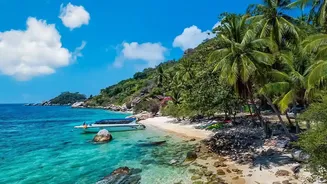
While Phu Quoc's pristine beaches remain a major draw, the island's appeal has been broadened significantly. Developers have built large-scale entertainment hubs like Grand World and Sunset Town, offering everything from bustling night markets to spectacular water and light shows. The world's longest non-stop, three-rope cable car, which connects the main island to Hon Thom, has become an iconic attraction in its own right. The addition of world-class golf courses, casinos, and theme parks like Aquatopia Water Park means tourists have more reasons to open their wallets. This synchronized resort and entertainment ecosystem provides a full day of activities, which naturally extends visit durations and increases overall spending per visitor.
Policy and Connectivity Paving the Way
This transformation wasn't left to chance. It has been heavily supported by strategic government policies and infrastructure upgrades. A key policy is the 30-day visa exemption for all international visitors, a significant incentive that makes access to the island frictionless. Simultaneously, Phu Quoc International Airport has undergone major expansion, enabling direct flights from key international markets like South Korea, China, Thailand, and Russia. This improved connectivity has been crucial in attracting not just more tourists, but also a more diverse and affluent international clientele. These foundational elements have created a favorable environment for investment and laid the groundwork for Phu Quoc to compete with established regional destinations like Phuket and Bali.
Navigating the Path Forward
The rapid growth, however, comes with its own set of challenges. Local officials and tourism experts acknowledge that the surge in visitors demands higher service standards and a stronger focus on environmental protection to ensure sustainable development. Nearly 50 percent of the island is a protected UNESCO Biosphere Reserve, and balancing large-scale development with the preservation of its natural assets is a critical ongoing task. The goal is to ensure that the economic benefits are long-lasting and that the very natural beauty that attracts visitors is not compromised. As Phu Quoc continues to cement its status as a luxury destination, maintaining this balance will be the key to its enduring success.