






The Classic: Simple Lemon Poha
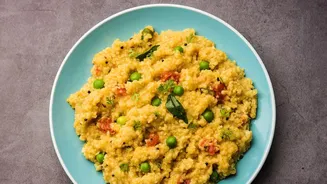
Before we dive into creative twists, let's perfect the foundation. A classic lemon poha is a masterclass in simplicity. It begins with thick poha (flattened rice) rinsed until soft. A tempering of mustard seeds, curry leaves, and perhaps some peanuts
for crunch sets the stage. Turmeric provides its signature golden hue. The key, however, is to add the fresh lemon juice right at the end, after turning off the heat. This ensures the citrus flavour remains bright and zesty, not cooked and bitter. It’s a simple, refreshing dish that serves as the perfect canvas for the variations to come. Many recipes also include chana dal and urad dal in the tempering for added texture.
The South Indian Way: Coconut and Lemon
For a flavour profile that sings with coastal notes, the addition of freshly grated coconut is a game-changer. This variation, popular in South India where it's often called lemon aval, combines the tang of lemon with the subtle sweetness and rich texture of coconut. The coconut is typically added along with the soaked poha, allowing it to gently heat through and release its flavour. The combination creates a softer, more moist poha that’s incredibly satisfying. Paired with the essential tempering of curry leaves, mustard seeds, and chillies, this version is a beautifully balanced dish.
The Maharashtrian Twist: Kanda Batata Poha with Lemon
While Kanda Batata Poha (onion and potato poha) is a classic in its own right, a final squeeze of lemon is what truly makes the flavours pop. This hearty version includes sautéed onions, which bring a touch of sweetness, and soft, boiled potato cubes that make the dish more substantial. The process involves cooking the onions until translucent before adding the potatoes, turmeric, and finally the soaked poha. Adding a pinch of sugar is also a common practice to balance the flavours. The lemon juice, added just before serving, cuts through the richness of the potato and the sweetness of the onion, tying the entire dish together.
The No-Cook Wonder: Dadpe Pohe
Dadpe Pohe is a unique Maharashtrian preparation that requires almost no cooking. It’s more of a salad, using thin poha flakes that soften without being cooked on a stove. The magic lies in mixing the raw poha with finely chopped onions, fresh coconut, coriander, green chillies, salt, and a generous amount of lemon juice. The moisture from the onions, coconut, and lemon juice is what softens the poha. The dish is 'pressed' (the meaning of 'dadpe') and allowed to rest for about 15-20 minutes. A hot tempering of oil, mustard seeds, and asafoetida is poured over the top just before serving, creating a fascinating mix of warm and cool temperatures and textures.
The Heat Seeker's Choice: Spicy Lemon Poha
For those who believe breakfast should come with a kick, a spicy lemon poha is the answer. This variation amplifies the heat by incorporating more green chillies, and sometimes even a pinch of red chilli powder in the tempering. The sharp heat of the chillies creates a dynamic contrast with the sourness of the lemon. Finely chopped ginger can also be added to the tempering for another layer of warmth and spice. The fresh, zesty finish of the lemon prevents the spice from being overwhelming, resulting in a vibrant and invigorating breakfast that is guaranteed to wake you up. Roasted peanuts are almost essential here to provide a crunchy respite from the heat.