





Supercharging Our Weather
Warmer oceans provide more fuel for weather systems, leading to more extreme and unpredictable events. For India, this has profound implications. The Indian Ocean, which is warming faster than any other tropical ocean basin, supplies the moisture essential
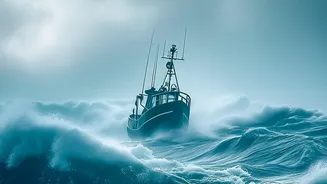
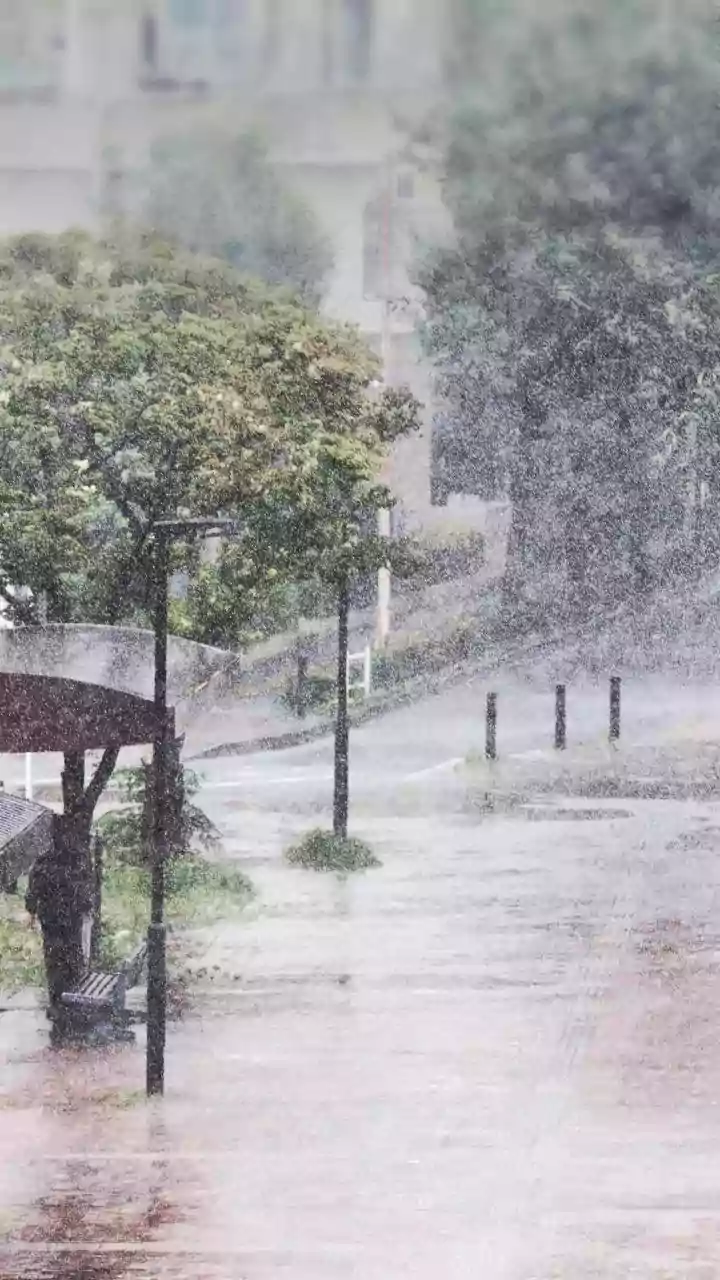
for the monsoon. While overall monsoon patterns may shift, a warmer sea surface can lead to short, intense bursts of heavy rainfall, increasing flood risks. Perhaps the most visible impact is on tropical cyclones. The heat energy from warm ocean waters, typically above 26.5°C, is the primary engine for cyclone formation and intensification. The Arabian Sea, historically cooler and less prone to intense cyclones than the Bay of Bengal, has been warming rapidly. This has contributed to an increased frequency of severe cyclonic storms, which can develop more power and last longer, posing a greater threat to India's western coast.
A Crisis for Fisheries
For the millions of Indians who depend on the ocean for their livelihood, warming waters represent an existential threat. Marine ecosystems are finely tuned to specific temperature ranges. When these are exceeded during events known as marine heatwaves, the consequences can be devastating. These heatwaves, which have become more frequent and intense, cause mass mortality of marine life and can trigger harmful algal blooms. Fish species are migrating towards the poles in search of cooler waters. Along the Kerala coast, for example, the once-abundant oil sardine catch has seen a prolonged decline as rising sea temperatures force the stock to move northward into cooler waters. This forces fishers to travel farther out into more dangerous, and sometimes international, waters to find a catch, increasing both their costs and their risks. Furthermore, warming leads to coral bleaching, destroying the vital habitats that serve as nurseries for countless fish species, undermining the very foundation of marine food webs.
Coastal Communities on the Frontline
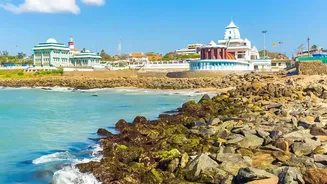
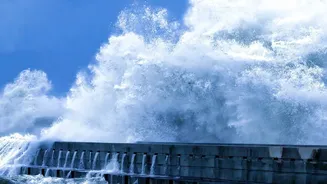
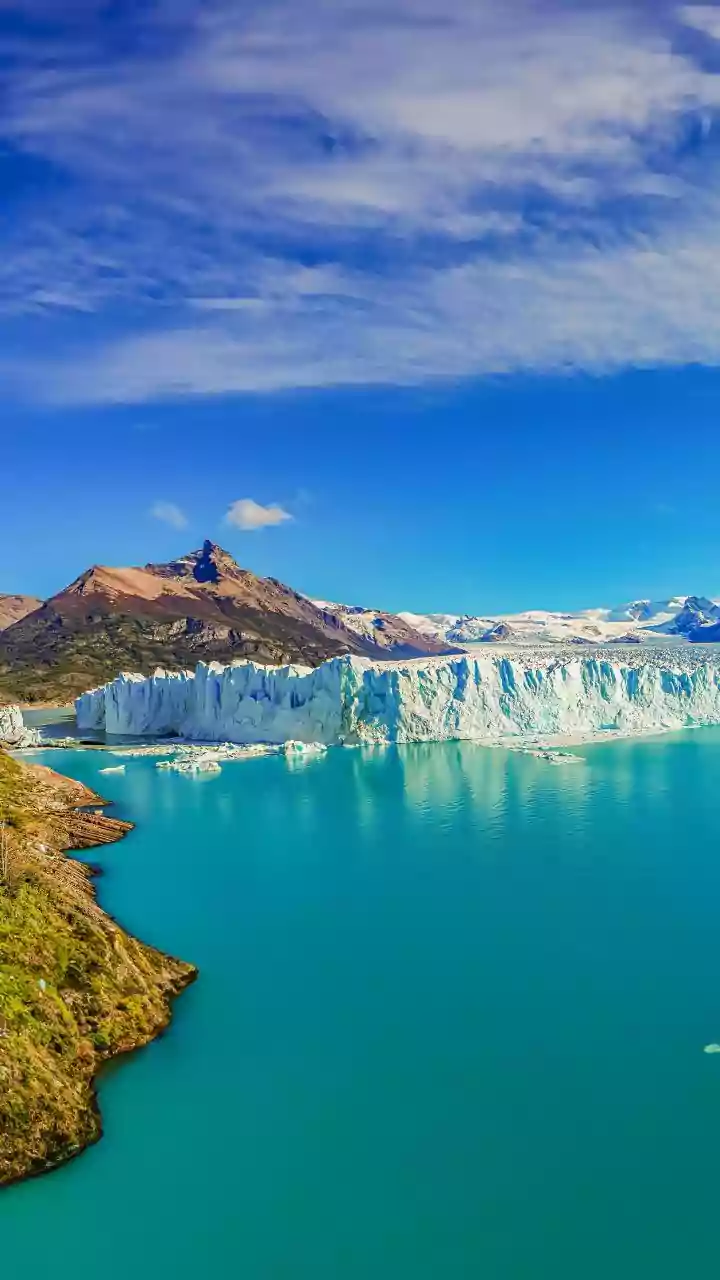
The impact of a warmer ocean is felt most acutely by the 170 million people living along India's vast 7,500-kilometre coastline. One of the most direct effects is sea-level rise. As water warms, it expands—a phenomenon known as thermal expansion. This, combined with meltwater from glaciers, causes sea levels to climb. For low-lying coastal cities like Mumbai, Kolkata, and Chennai, this means a higher risk of frequent and severe flooding, threatening homes, infrastructure, and economies. Rising seas also lead to increased coastal erosion, which is already causing land loss, and saltwater intrusion, which contaminates freshwater sources and agricultural land. The danger is compounded by more intense storms. A higher sea level provides a raised platform for storm surges, allowing them to penetrate further inland and cause more damage. This puts crucial infrastructure like ports, power plants, and roads at risk, jeopardizing the economic lifelines of these bustling coastal regions.