

The Current Gruelling Journey
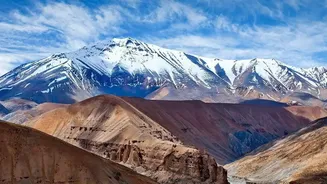
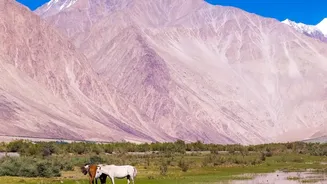
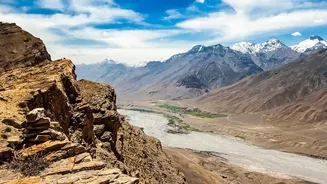
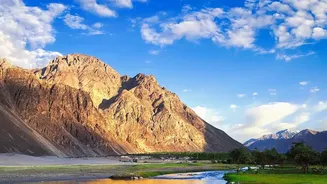
Until now, reaching the picturesque Nubra Valley has been an adventure in itself. Travellers fly into Leh, Ladakh's main airport, and then embark on a challenging overland journey. The primary route involves crossing Khardung La, one of the world's highest
motorable passes. The drive from Leh, roughly 40 kilometres to the pass, navigates paved roads, but the stretch beyond consists of dirt, loose rock, and snow-melt slush, making it a demanding trip for even experienced drivers. This high-altitude pass is subject to unpredictable weather, including sudden snowfall even in summer, which can lead to temporary closures and long delays. The journey requires careful acclimatisation to the altitude and serves as a significant barrier for many would-be visitors, limiting the tourist season and making access for locals arduous, especially in winter.
A New Gateway in the Sky
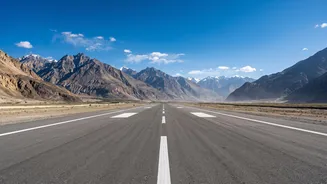
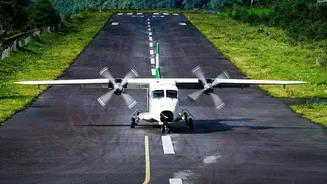
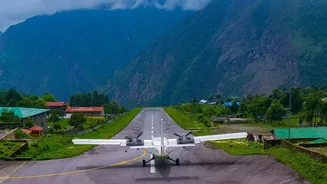
The game-changing proposal involves opening up the Thoise airbase in Nubra Valley to regular civilian flights. Thoise, a strategically important Indian Air Force (IAF) airfield, has long supported military logistics for the Siachen Glacier region. While it has handled some charter and UDAN scheme flights in the past, the new plan aims for scheduled commercial services. A recent high-level meeting confirmed that the Ladakh administration is targeting a December 2026 start for these flights. This move would allow tourists and residents to fly much closer to key destinations like Diskit, Hunder, Turtuk, and the Siachen Base Camp, cutting down travel time dramatically.
Paving the Way for Takeoff
Making this vision a reality involves significant groundwork. Runway recarpeting at Thoise is already in progress and is expected to be completed by November 2026. To kickstart operations, the plan is to refurbish the existing charter-flight terminal for initial use. In a crucial step, the IAF has approved the allotment of five acres of land for the construction of a permanent new civil terminal, though a timeline for that larger project has not yet been announced. The Airports Authority of India (AAI) is defining the infrastructure needed at the existing terminal, after which the local Public Works Department will carry out the required renovations. These steps are critical to meeting the ambitious December target.
Transforming Tourism and Local Life
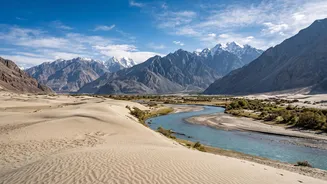
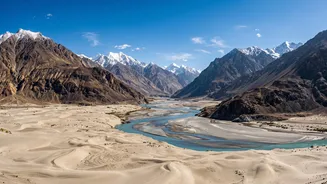
The introduction of direct flights is expected to be a massive boost for the region. For tourists, it means easier access and potentially longer stays in the valley itself, rather than spending significant time on the road. This could unlock the tourism potential of more remote areas like the historic village of Turtuk. For residents of Nubra, the flights promise a reliable, all-weather travel option, which is vital when high passes are closed during Ladakh's harsh winters. Officials believe this enhanced connectivity will stimulate the local economy, create jobs, and support businesses that rely on tourism, which already contributes significantly to Ladakh's GDP.
Balancing Progress and Preservation
While the economic benefits are clear, the prospect of increased tourist footfall also raises important questions about sustainability. Nubra Valley's fragile ecosystem is a key part of its allure. Tourism in Ladakh has grown exponentially over the past few decades, putting pressure on resources like water and leading to concerns about waste management and cultural shifts. Local organisations and the administration are increasingly focused on promoting sustainable and responsible tourism to mitigate these impacts. As access becomes easier, the challenge will be to manage the influx of visitors in a way that protects the very environment and culture that draw them in, ensuring that development does not come at the cost of preservation.