







A Warning Bell for Global Food Security
The 2026 Global Nutrition Report (GNR) is not just another set of statistics; it's a critical look at the intersection of nutrition, health, and climate change. This year’s report moves beyond simply tracking malnutrition to focus on a systemic threat:
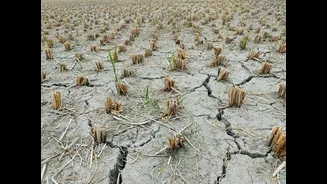
our food systems are dangerously vulnerable to climate shocks. The core message is that erratic rainfall, rising temperatures, and extreme weather events are no longer future problems. They are actively disrupting agriculture, raising food prices, and threatening to reverse decades of progress in nutrition, with the report stating that 2.6 billion people globally cannot afford a healthy diet. The report argues that addressing malnutrition now depends entirely on integrating our food and health systems to withstand these pressures.
What is a Climate-Resilient Food System?
The term might sound academic, but the concept is straightforward. A climate-resilient food system is one that can endure and adapt to shocks—like droughts, floods, or new pests—and continue to provide safe, affordable, and nutritious food for everyone. This isn't just about farming. It involves the entire supply chain, from how crops are grown and water is managed to how food is stored, transported, and sold. Key strategies include diversifying crops away from monocultures, improving soil health to retain water and nutrients, and investing in better water management like rainwater harvesting. It also means strengthening local food infrastructure to shorten supply chains, reducing food loss, and ensuring farming communities can adapt and thrive.
India's High Stakes
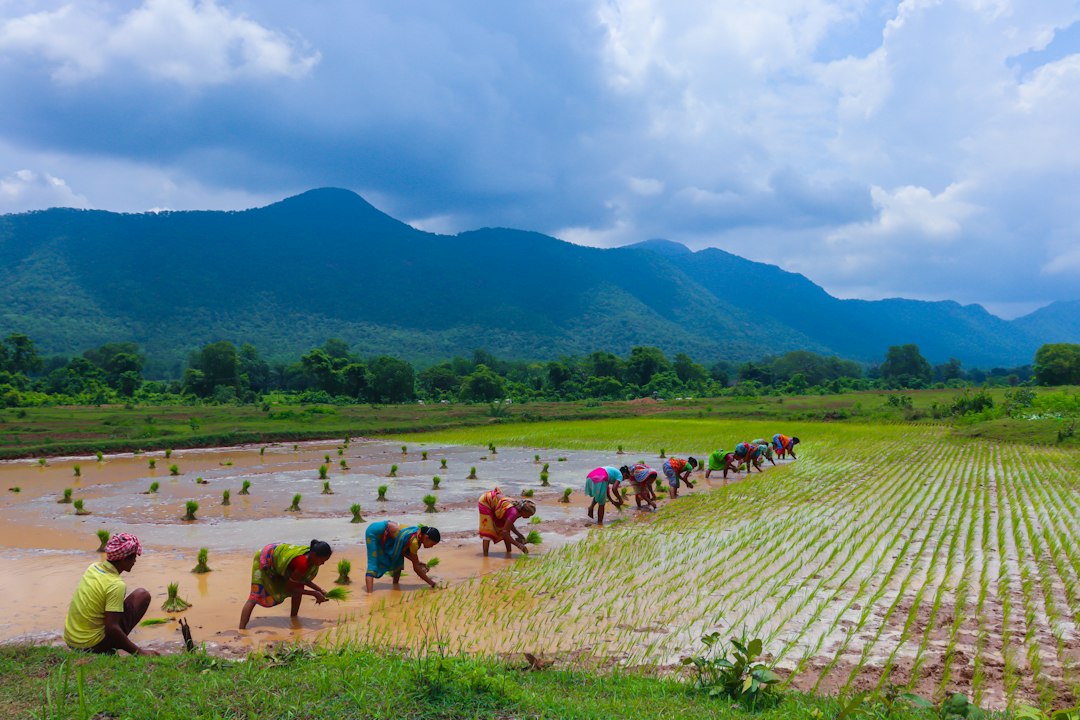
For India, the report's findings are particularly urgent. With nearly 60% of the population dependent on agriculture for their livelihood and a significant portion of farming being rain-fed, the country is on the frontline of the climate crisis. Climate change is already impacting the yields of staple crops like rice and wheat and reducing their nutritional content. This has a direct effect on food security, especially for marginalised communities who are most vulnerable to price shocks and shortages. The GNR 2026 highlights that while India is making some progress in areas like reducing stunting, the absolute burden of malnutrition remains immense. The report points to India's 'double burden'—the persistence of child undernutrition alongside a rapid rise in adult obesity and diet-related diseases.
The Path Forward: From Policy to Plate
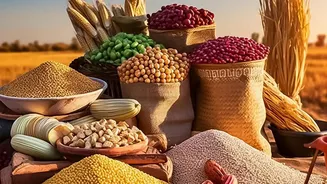
The report stresses that solutions exist and are already being implemented. In India, there is a growing focus on Climate-Resilient Agriculture (CRA). National initiatives like the National Mission on Sustainable Agriculture (NMSA) and the National Innovations in Climate Resilient Agriculture (NICRA) are promoting practices like zero-tillage farming, using stress-tolerant crop varieties, and improving water management. There is also a renewed push for crop diversification, encouraging the cultivation of millets and pulses, which are more drought-resistant and nutritious. Blending traditional knowledge with modern technology, such as AI-based weather advisories, is another key strategy. The report emphasizes that empowering women farmers, who are often early adopters of sustainable practices, is crucial for success.