



India’s electric vehicle market appeared to charge ahead in October 2026, posting impressive growth. But to truly understand the momentum, it’s crucial to look past the factory gates and onto the showroom floors. Here’s the real story.
Retail vs. Dispatches: What’s the Difference?
When car companies
announce their monthly numbers, they are typically referring to 'dispatches' or 'wholesale' figures. This is the number of vehicles they have shipped from their factories to their dealer network across the country. It’s a measure of production and supply channel activity. However, it doesn't tell us how many cars were actually bought by customers. That's where the Federation of Automobile Dealers Associations (FADA) comes in. FADA collects data directly from nearly all regional transport offices (RTOs) to track 'retail' sales—the actual number of vehicles registered by end consumers. This figure is the most accurate barometer of real-time consumer demand in the market.
The Real Story in October 2026
According to the retail numbers released by FADA, the electric passenger vehicle segment saw robust growth in October 2026, a month often boosted by festive season purchases. While specific figures can fluctuate, the trend indicated a significant year-on-year increase, confirming that consumer appetite for EVs remains strong. This surge is not just an indicator of festive cheer but also reflects a growing acceptance of electric mobility, driven by higher fuel prices, government incentives, and a wider array of available models. The retail data confirms that the cars being shipped to dealerships are, for the most part, finding homes with new owners, which is a sign of a healthy and sustainable market.
Who Is Winning the Retail Race?
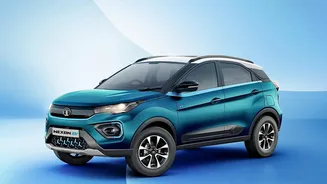
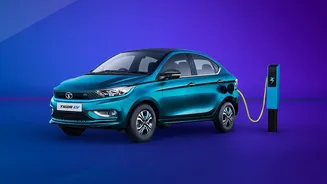
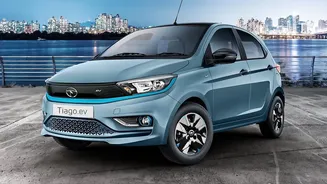
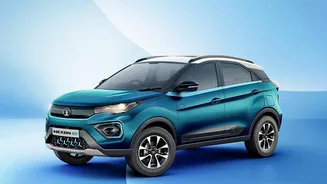
On the retail battlefield, Tata Motors continues to be the undisputed leader, a position it has cemented over the past few years. Its portfolio, led by the Nexon EV and Tiago EV, consistently captures the lion's share of the market, often accounting for over two-thirds of all electric cars sold in a given month. Following in the distance is MG Motor India, which has carved out a solid niche with its ZS EV. Mahindra & Mahindra's XUV400 has also established itself as a key contender. The FADA data provides a clear hierarchy based on what customers are actually buying, offering a more granular view than broad company dispatches, which might include multiple models bundled together.
Why Retail Data Is the Real Health Check
Focusing on retail sales prevents a skewed perception of the market. For instance, a manufacturer could report high dispatch numbers to show strong performance, but if retail sales are lagging, it simply means unsold inventory is piling up at dealerships. This can lead to heavy discounting in the following months to clear stock, which erodes profitability for both the manufacturer and the dealers. Strong retail figures, on the other hand, indicate a 'pull' from the market, where demand is driving supply. This is a much healthier scenario, suggesting that the product, price, and marketing are aligned with consumer expectations. For a nascent industry like EVs, tracking this real-world adoption is far more important than tracking factory output alone.