





The Numbers Tell a New Story
A comprehensive survey from the Pew Research Center, conducted in the spring of 2026, put the trend in stark relief: 50% of Americans now hold an unfavorable view of India, compared to 45% who view it favorably. This marks a significant reversal and one
of the lowest ratings for India since Pew began polling on the question in 2008. The decline has been steady, falling from a 51% favorability rating in 2023. This cooling of sentiment isn't happening in a vacuum. It reflects a complex interplay of political, economic, and social factors that are reshaping how average Americans perceive the world's largest democracy.
A Deep Partisan and Generational Divide
The negative sentiment is not uniform across the United States. A clear divide has emerged along political and generational lines. According to the Pew data, Democrats and Democratic-leaning independents are more likely to view India favorably (50%) than their Republican counterparts (42%). Ideology plays an even stronger role, with 54% of self-described liberals holding a positive opinion, compared to just 40% of conservatives. Age is another crucial factor. While half of Americans aged 65 and older see India in a positive light, that number drops to just 42% for those between 18 and 29. This suggests the image of India is being contested and re-evaluated differently by various segments of American society.
Policy Frictions and Economic Anxiety
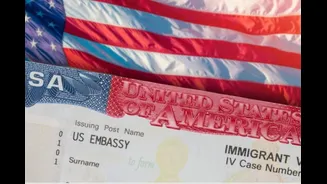
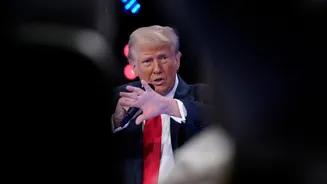
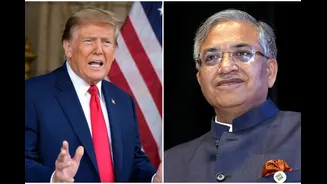
Tensions over trade and immigration policies appear to be a significant driver of this shift. Major changes in US policy throughout 2025 have had a direct impact on perceptions. One of the most prominent was the Trump administration's proclamation in September 2025 to impose a hefty $100,000 fee on new H-1B visa applications, a program where Indian nationals account for over 70% of recipients. This move, framed as a measure to protect American jobs, fueled a narrative of economic competition. While a bilateral interim trade agreement was reached in early 2026 to lower some tariffs, the preceding tensions and debates over issues like market access and immigration have left a mark on public consciousness.
The Rise of Hostile Online Narratives
The souring of opinions is also being amplified in the digital realm. Reports indicate a surge in anti-Indian sentiment on social media platforms in recent years. A Carnegie survey from early 2026 found that nearly half of Indian Americans reported frequently encountering racist posts targeting their community since the start of 2025. Much of this online rhetoric has centered on claims of Indian immigrants taking jobs from Americans, accompanied by calls for visa restrictions. This digital hostility has tangible, real-world consequences, contributing to a climate of anxiety and potentially influencing the broader public's views on India and Indian immigrants. A concerning number of Indian Americans have reported feeling they do not belong and have even changed their daily routines out of fear.