





The Journey Beyond the Destination
For decades, tourism in India has been concentrated around a few well-trodden paths, like the Golden Triangle. Many of the country's most profound cultural and historical sites are located in remote areas, making them difficult for travellers to reach.
The journey itself—often involving long, arduous road or rail travel—has been a significant barrier. This has not only limited tourist footfalls but has also economically isolated the communities that are the custodians of these traditions. Poor connectivity means that a stunning centuries-old temple or a village known for a unique weaving style remains off the map for most visitors, preventing the dispersal of tourism revenue and creating pressure on a handful of major sites.
A New Web of Roads, Rails, and Runways
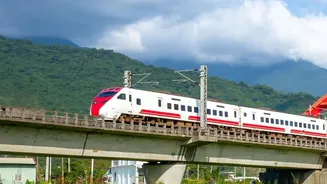
The game-changer has been a concerted push towards improving regional connectivity. Initiatives like the Bharatmala Pariyojana are building a massive network of highways and economic corridors, drastically cutting down travel time. Simultaneously, the UDAN (Ude Desh ka Aam Nagrik) scheme is transforming air travel by developing and operationalising airports in smaller, Tier-2 and Tier-3 cities, making previously distant locations accessible within hours. Over the last decade, India's airport count has nearly doubled, with many new routes specifically chosen to boost tourism to underserved areas. The introduction of modern, semi-high-speed trains further complements this network, ensuring that getting to a destination is no longer the hardest part of the trip.
Connecting Culture to Commerce
Improved access directly translates into economic opportunities for local populations. When a new airport or highway brings tourists to a region, it fuels a micro-economy. Local guides, homestay owners, artisans, and restaurateurs find new avenues for income. Government schemes like Swadesh Darshan and PRASHAD (Pilgrimage Rejuvenation and Spiritual, Heritage Augmentation Drive) are working in tandem with these infrastructure projects. These schemes focus on developing theme-based tourist circuits—such as Buddhist, Himalayan, or coastal circuits—and improving amenities at pilgrimage sites. This integrated approach ensures that when tourists arrive, they find the necessary infrastructure, which makes their visit more comfortable and encourages longer stays and higher spending, directly benefiting the local community.
Beyond the Over-Touristed Hotspots
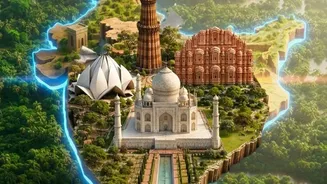
One of the most significant potential benefits of enhanced connectivity is the ability to distribute tourist traffic more evenly across the country. Over-tourism at major sites like the Taj Mahal or the forts of Jaipur has led to immense strain on infrastructure and heritage preservation. By making it easier to visit places in states like Odisha, Chhattisgarh, or the Northeast, better connectivity can create new, attractive tourism circuits. This not only offers travellers more authentic and less crowded experiences but also eases the burden on legacy destinations. It allows for the promotion of rural and eco-tourism, where visitors can experience India's living culture and pristine nature, a market with immense, largely untapped potential.
A Path That Requires Careful Treading
However, this boom in connectivity comes with its own set of challenges. Unplanned and rapid tourism development can have severe negative consequences. There is a real risk of over-tourism in newly accessible, fragile areas, leading to environmental degradation and strain on local resources. Another significant concern is cultural commodification, where local traditions and arts are altered or simplified to cater to tourist tastes, leading to a loss of authenticity. Striking a balance between promoting tourism and preserving the cultural and environmental sanctity of a place is crucial. This requires a 'sustainable and responsible' development model, with active participation from local communities in the decision-making process to ensure they are beneficiaries, not victims, of tourism growth.