






The Enduring Appeal of Lemon Rice
Lemon rice, known as Chitranna in Karnataka or Elumichai Sadam in Tamil Nadu, is a cornerstone of South Indian cuisine. Its genius lies in its simplicity. Often made with leftover rice, it’s a dish born from frugality and flavour, transforming a humble
staple into a vibrant meal. The characteristic yellow hue comes not from the lemon, but from turmeric sizzled in hot oil, instantly making the dish visually appealing. Served at breakfast, packed for lunchboxes, or offered as prasadam at temples, its versatility is unmatched. The core components are simple: cooked rice, a tempering of mustard seeds, lentils, and curry leaves, and the all-important squeeze of fresh lemon juice. It’s a dish that celebrates the beauty of minimal ingredients creating maximum flavour.
The Science of Zest and Acidity
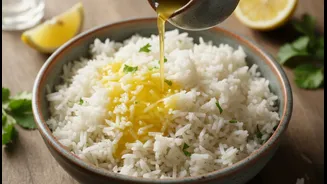
The soul of the dish is, of course, the lemon. In India, lemons are a year-round staple with deep cultural and culinary significance. In this rice, the lemon’s role is twofold. First, it provides that signature tangy, refreshing taste that cuts through the richness of other dishes it might be served with. But there's a technique to it. A common mistake is adding the lemon juice too early in the cooking process, which can lead to a bitter taste. Best practice dictates adding the juice right at the end, after the pan is off the heat. This preserves the lemon's bright, fresh notes and ensures the dish remains vibrant and flavourful, not sour or overpowering. This final acidic burst awakens all the other spices in the tempering, making every bite a complex and satisfying experience.
The Finishing Touch: A Shower of Green
This brings us to the hero of our headline: fresh coriander. Known as dhaniya in Hindi, coriander leaves (or cilantro) are one of the most ubiquitous garnishes in Indian cooking, but their role is far more than decorative. While coriander powder adds a warm, citrusy depth to masalas, the fresh leaves provide a completely different flavour profile—a powerful, herbaceous, and almost peppery brightness. In a dish like lemon rice, which is defined by its clean, sharp flavours, coriander is the perfect partner. The sharp acidity of the lemon actually enhances and brightens the fresh, grassy notes of the coriander, creating a synergy where both ingredients taste more intensely of themselves. It provides a final layer of aroma and a burst of freshness that balances the entire dish.
How to Maximise Colour and Lift
To get that promised colour and lift, timing and preparation are everything. The coriander should always be added at the very last moment, just before serving, often alongside the final squeeze of lemon. Adding it to the hot pan will cause it to wilt and lose its vibrant green colour and fresh potency. Wash the leaves thoroughly and chop them finely to release their aromatic oils. Don’t be shy with the quantity; a generous handful scattered over the top is what truly makes the difference. This final flourish provides not just a verdant green contrast against the sunny yellow rice, but also a crucial textural element and an aromatic lift that hits you before you even take the first bite. It’s the difference between a static image and one that feels alive and full of energy.
Beyond the Garnish: Building a Perfect Plate
While coriander provides the perfect finish, the foundation must be strong. For the fluffiest lemon rice, use rice that isn't overcooked or mushy; a little bite is desirable. Rinsing the rice before cooking helps remove excess starch, preventing stickiness. The tempering, or tadka, is also crucial. Sizzling mustard seeds until they pop, roasting lentils until golden, and crisping curry leaves in hot oil builds a deep, aromatic base. Many recipes also call for peanuts or cashews, added to the tempering to provide a delightful crunch. When you combine this carefully built base with the final bright notes of lemon and fresh coriander, you create a dish that is a true symphony of textures and flavours—simple, yet profoundly satisfying.