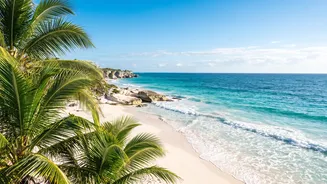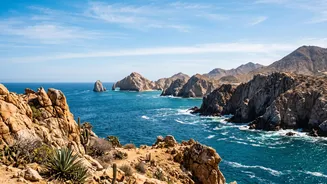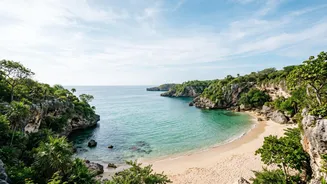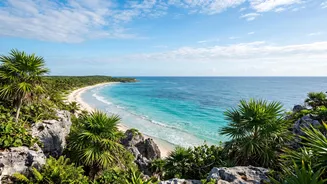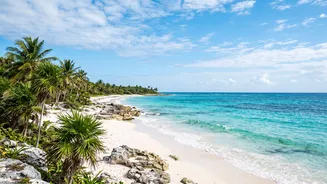







That feeling of sticker shock on a beautiful Mexican beach is familiar to many. But before you feel ripped off, it's worth understanding the complex economic forces at play. Here’s a breakdown of what shapes prices in paradise.
The Two-Tiered Economy
Mexico's most popular coastal
destinations, like Cancún, Tulum, and Los Cabos, effectively operate on a different economic wavelength than the rest of the country. These areas are built almost exclusively for international tourism. This creates a two-tiered system where prices for hotels, food, and services are geared toward visitors with foreign currency, not local residents. A meal or a taxi ride in a resort area can cost three to four times more than in a colonial city just a few hours inland. This isn't necessarily a scam; it's a market catering to a clientele with different purchasing power. The local economy, which serves the residents who work in the tourism sector, operates on a much lower price scale. This contrast is the first key to understanding costs.
Supply, Demand, and Location
The price of your beachfront cocktail is dictated by the same rules as real estate in any major city: supply and demand. Prime locations with stunning views command premium prices. Tourism is a massive part of Mexico's economy, contributing significantly to its GDP and creating millions of jobs. Unprecedented demand, especially post-pandemic, has allowed hotels and businesses to charge more simply because people are willing to pay it. Furthermore, many of these tourist zones are seeing a shift toward luxury development, with high-end resorts and amenities replacing more budget-friendly options, further pushing the average cost up. This focus on the premium market means that the 'bargain' Mexico vacation of the past is becoming harder to find in top-tier destinations.
The Cost of Convenience and Imports
A significant portion of what you pay for in a tourist hotspot is convenience. This includes English-speaking staff, menus in your native language, and the ability to pay with credit cards or US dollars. These services require investment in training and infrastructure. Many of the goods you consume, from top-shelf liquor to specific food brands, are often imported to meet tourist expectations. These imported items carry higher costs due to transportation and taxes, which are then passed on to the consumer. So, while that familiar brand of beer might be comforting, a local brew will almost always be cheaper.
Understanding 'Gringo Pricing'
The term 'gringo price' refers to the practice of charging foreigners more than locals, particularly for items without a listed price, like market souvenirs or taxi rides. While it can feel discriminatory, it's often an informal economic strategy based on the perception that tourists have more disposable income. In some cases, it can be blatant, with restaurants allegedly having separate menus with different prices. However, it's not always malicious. It's often a form of opportunistic haggling. One of the best ways to navigate this is to shop where prices are clearly marked, or to observe what locals are paying first. Knowing a few basic Spanish phrases to ask 'How much?' ('¿Cuánto cuesta?') can also signal that you're a more savvy buyer.
How to Be a Savvy Traveler
Understanding these dynamics doesn't mean you have to accept inflated prices. The best strategy is to blend in and think like a local. Venture a few blocks away from the main tourist strip to find restaurants where local workers eat; the food is often more authentic and significantly cheaper. Always try to pay in Mexican pesos rather than US dollars. While dollars are widely accepted, the exchange rate offered by vendors will never be in your favor. When shopping in markets without fixed prices, be prepared to negotiate respectfully or simply walk away if the price feels too high. For transportation, local buses or 'colectivos' (shared vans) are a fraction of the cost of tourist taxis for the same routes.