


The Heart of the Beat
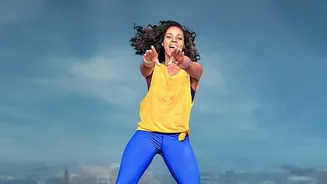
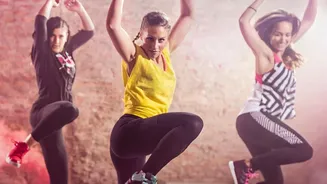
At its core, Zumba is a dance fitness program where music is not just an accompaniment but the entire foundation. Classes are built around Latin and international rhythms like salsa, merengue, and reggaeton. The choreography is directly tied to the beat,
with instructors guiding participants through structured routines that change with the song's tempo and energy. This creates a high-energy, party-like atmosphere where the workout feels secondary to the dance. The constant change in pace, from fast-paced cardio segments to slower, toning rhythms, is a form of interval training that keeps the body guessing and the mind engaged. The music is so integral that Zumba has become a music industry force, helping to popularize tracks and even creating its own original songs.
Rolling to a Freer Rhythm
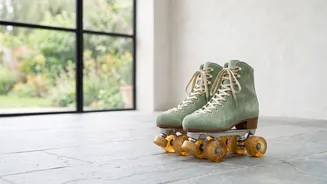
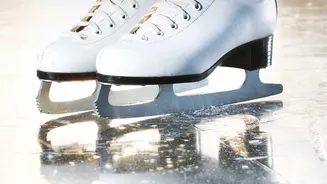
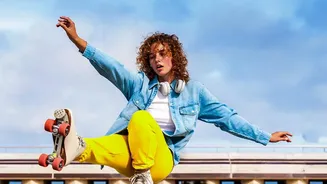
Roller skating’s relationship with music is more of a cultural partnership than a structural one. Historically, roller rinks were epicenters of music culture, particularly for disco, funk, and R&B. Unlike Zumba, skating doesn't require you to follow a specific choreography. Instead, the music provides a soundtrack for your own movement, influencing your pace and flow. This gives skaters the freedom to glide, spin, and dance on wheels in a way that feels personal and expressive. The rhythm can help create a meditative “flow state,” where the repetitive motion becomes almost second nature, allowing you to get lost in the music and movement. This connection to music is deeply ingrained in skate culture, from the organized playlists of indoor rinks to the boomboxes of outdoor street skaters.
Cardio Burn and Fitness Benefits
Both activities are excellent forms of aerobic exercise that strengthen the heart and lungs. An hour-long Zumba class can burn between 300 and 600 calories, depending on the intensity and the individual. Its combination of dance and aerobic movements provides a full-body workout that improves cardiovascular endurance, strength, and flexibility. Roller skating offers a comparable calorie burn. An hour of moderate skating can burn around 400 calories, while more vigorous skating can burn over 600. Skating is particularly effective for building lower-body and core strength, as it engages the glutes, quads, and abdominal muscles for balance and propulsion. One key difference is impact: Zumba is considered moderate-impact, while roller skating is a low-impact exercise, making it gentler on the joints.
The Social Scene
Community is a huge draw for both activities. Zumba is almost always a group class, fostering a sense of camaraderie and shared energy. The synchronized movements and positive atmosphere can reduce stress and make exercise feel like a social event. Roller skating also has a strong community element, whether it's at a local rink, a skate park, or a group skate through the city. Historically, rinks have served as vital social spaces, particularly within Black American communities where many modern skate styles originated. While you can skate alone, the social aspect of sharing a space and a rhythm with others is a significant part of its appeal.
Skill, Cost, and Accessibility
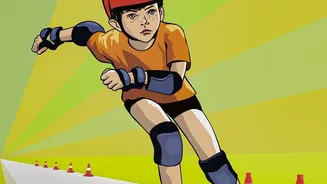
Zumba is designed to be accessible to all fitness levels, with no prior dance experience required. The main barrier to entry is finding a class, though many are available at gyms, community centers, or online. Roller skating has a steeper learning curve, as it requires developing balance and coordination to stay upright and move confidently. Protective gear is also a must for beginners. Once you have the skill and the skates, however, you can do it almost anywhere with a smooth surface. This offers a level of freedom and spontaneity that a scheduled class cannot.